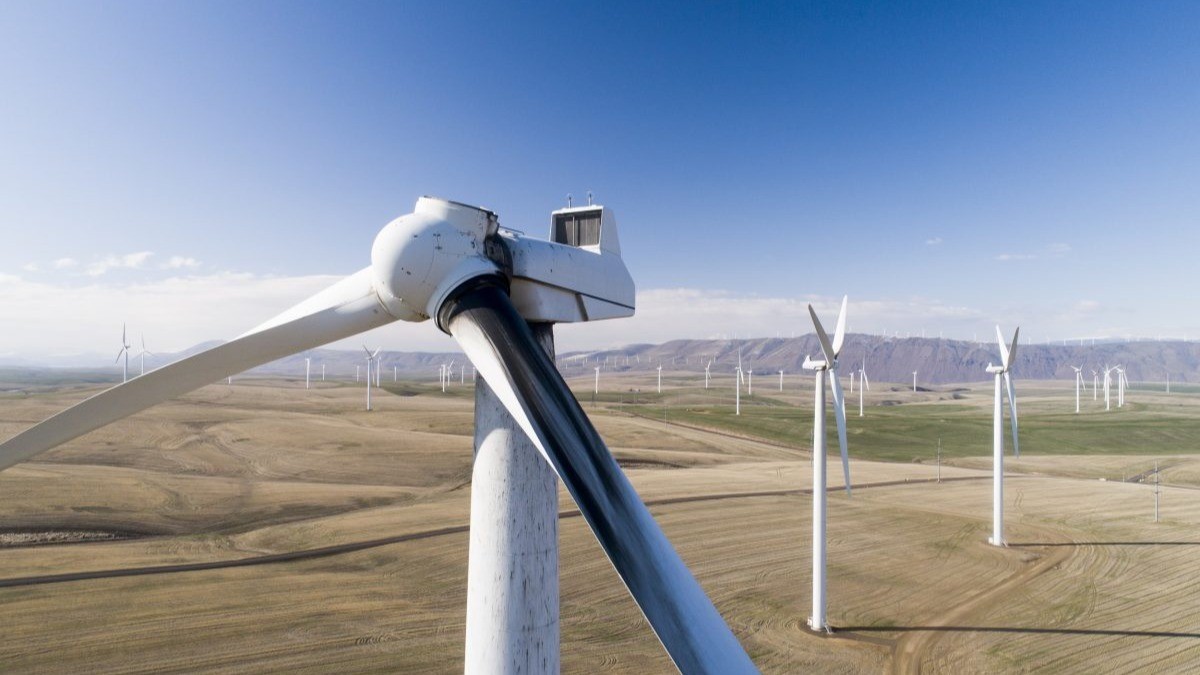
The wind energy sector is grappling with a growing and urgent challenge: blade root insert failures. Once considered rare, recent incidents at wind farms across the United States from Biglow Canyon in Oregon to Findlay Whirlpool in Ohio illustrate that this is no longer a theoretical issue. As the industry's rapid shift to larger, more complex blades introduces greater mechanical stress, the risk of degradation is rising, creating a tangible threat to operational performance and long-term asset health.
The worst-case scenario, a catastrophic blade failure leading to a whole turbine collapse, can cost upwards of $5 million and lead to lost shareholder confidence and increased regulatory scrutiny. The key to avoiding this is early detection, which provides the crucial lead time needed to act, not just react.
The High Cost of Waiting: Why Time is the Most Expensive Variable
For blade root failures, the earlier a fault is identified, the more options an operator has. Waiting until visible damage or vibration occurs usually means the fault has progressed too far for a cost-effective intervention. The financial difference is stark:
- A full blade replacement can cost anywhere between $300,000 and $500,000, factoring in crane hire, specialist personnel, and turbine downtime.
- An uptower repair, if caught early, typically costs between $20,000 and $50,000 and can be completed in a matter of days.
The cost difference can be as high as 95%. Just a few millimeters of insert movement can be the deciding factor between a quick fix and a full replacement. Without early visibility, many operators are left choosing between expensive replacements or the unknown risk of running to failure. Predictive data transforms that equation, turning last-minute firefighting into structured, strategic intervention.
Choosing Your Strategy: A Comparison of Monitoring Methods
Understanding the strengths and weaknesses of different monitoring approaches is essential for building a robust blade root health strategy.
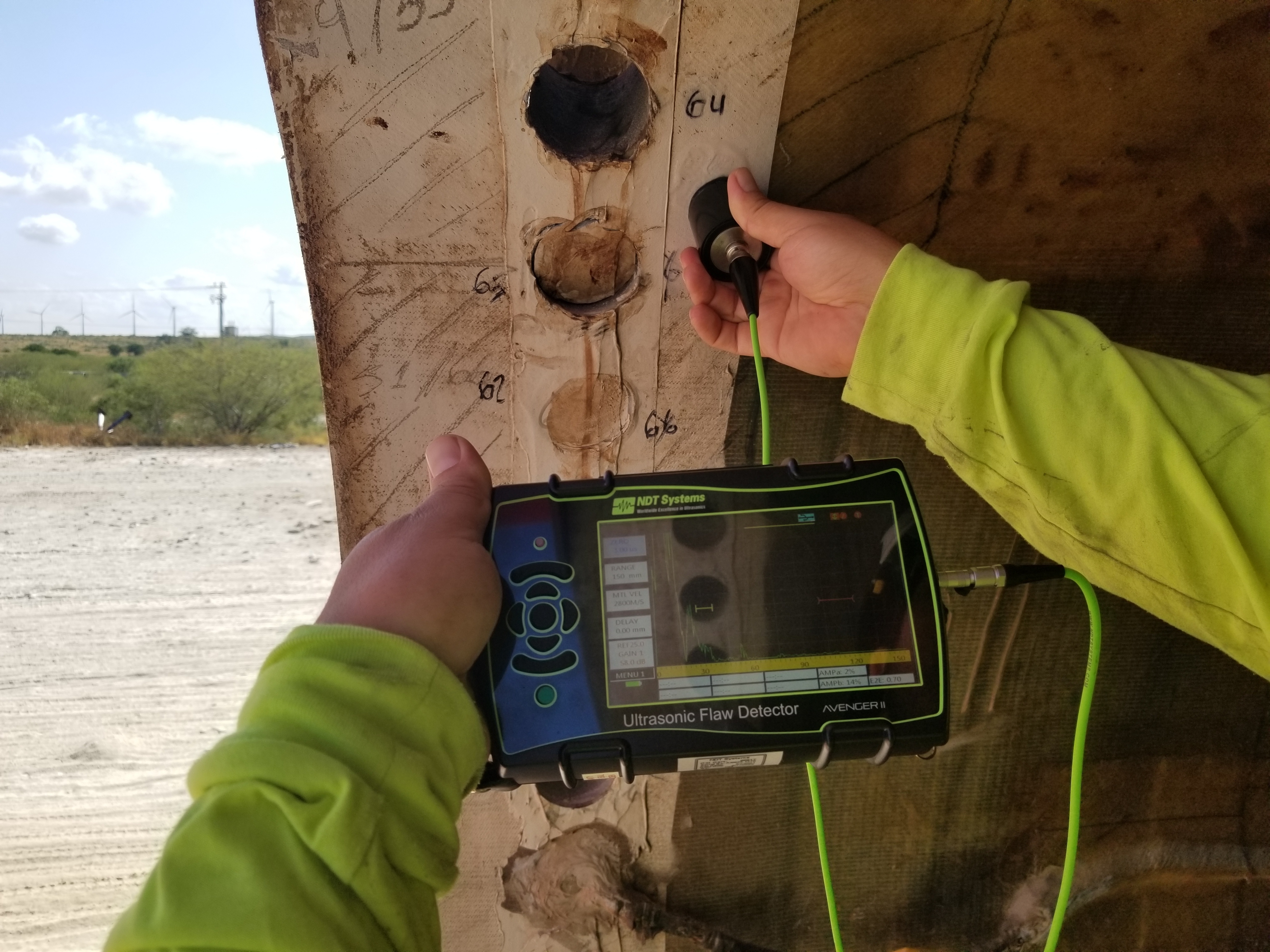
- Manual Inspections: This traditional method has several drawbacks. It is conducted during turbine downtime, is labor intensive, and provides only a "moment-in-time" snapshot of data that can be inconsistent. Crucially, manual inspections lack the frequency needed to track progressive faults, leaving operators exposed to sudden failures.
- Portable Health Sweeps: This method is ideal for understanding the scale of a problem quickly across a large fleet. These sweeps are non invasive and can be performed while turbines are in operation, providing a fast way to establish a baseline and triage which assets need more attention. While they offer a valuable short-term view, they don't provide long-term tracking.
- Continuous Blade Root Monitoring: For long-term assurance, permanent continuous monitoring is the foundation for confident fleet-wide decision making. Installed sensors offer 24/7 insight into blade root health, capturing real time data under operational loads. This enables automated alerts and long term trend diagnostics, offering the highest ROI for turbines at elevated risk. This level of insight allows operators to plan repairs with confidence, know how long a turbine can run safely, and manage risk without resorting to a full shutdown.
From Data to Action: A Real-World Case Study
At one utility scale wind farm in the US, the operator suspected issues with its aging onshore turbines but lacked precise data. ONYX Insight conducted portable blade root sweeps across the fleet, which revealed abnormal displacement patterns indicating early-stage insert degradation, with a projected eventual failure rate of up to 20% across the wind farm.
Based on this data, continuous blade root monitoring was installed on the highest-risk turbines. Over several months, the system provided detailed trend data that confirmed a growing fault in several cases. Crucially, this early warning allowed the owner operator to schedule cost effective uptower repairs within routine maintenance windows. The result: no emergency callouts, no cranes, and no last minute blade orders just targeted interventions delivered with foresight and control.
The ONYX Insight Solution: Proven Technology for a Growing Threat
ONYX Insight's ecoPITCH platform, available in both portable and permanent forms, delivers the foresight operators need.
- ecoPITCH Portable offers fast, non invasive health sweeps to establish baseline risk.
- The permanent ecoPITCH monitoring system provides high resolution, real time data for your most critical assets.
With more than 3,000 blades monitored daily, ONYX's solutions are field-tested and efficient to deploy. As a closed system with secure 4G connectivity, ecoPITCH avoids the need for extensive IT infrastructure, delivering actionable insight with minimal disruption.
Blade root health is a significant risk that owner operators can no longer afford to ignore. As this case study demonstrates, early detection powered by predictive analytics is key to preventing costly failures and gaining control over maintenance schedules.
Learn more about predictive maintenance for blade root health: www.onyxinsight.com