The gradual retirement of coal-fired power stations across the Australian electricity network is fundamentally reshaping the way energy systems are planned, built and operated. For decades, coal provided a predictable and continuous supply of electricity, forming the backbone of baseload generation. As these assets are phased out, the challenge is to replicate their reliability while accommodating a rapidly increasing share of variable solar photovoltaic generation.
This structural supply-demand mismatch has made large-scale battery energy storage systems (BESS) an essential grid component to capture surplus generation and discharge it when required.
Limitations of conventional centralized inverter architectures
Traditional utility-scale BESS installations have widely relied on a single DC bus inverter architecture where multiple battery racks connect in parallel to a shared direct current line. While effective for lower-capacity systems, this centralised setup introduces severe engineering and economic constraints when applied to modern high-density configurations.
- Cascading fault propagation risks: As the number of connected battery racks increases, fault detection becomes more challenging, allowing a single localised short circuit to propagate across the shared bus and damage the entire installation.
- Expensive protective engineering components: Mitigating parallel system risks requires developers to integrate highly sophisticated monitoring systems, faster switching devices and enhanced isolation mechanisms, drastically driving up overall project cost and complexity.
- Conservative system capacity margins: Accurately measuring the instantaneous capacity of large parallel battery rack configurations is technically difficult. This forces operators to adopt conservative operating strategies that limit usable storage capacity to preserve safety margins, reducing multi-decade financial returns.
Improving safety and operational flexibility through modular inverter designs
To handle higher energy concentration without introducing excessive risk, manufacturers like Ingeteam are transitioning toward modular inverter architectures. This design divides the power conversion system into multiple independent conversion units rather than aggregating all assets onto a single shared bus.
- Isolating internal subsystem faults: Dividing the inverter framework creates smaller, isolated subsystems where faults are easily contained within a single unit, eliminating cascading failures and simplifying safety schemes.
- Dynamic power flow management: Independent modules can be controlled individually, allowing asset managers to manage energy flows precisely, improve conversion efficiency and respond dynamically to changing grid conditions.
- Native multi-chemistry integration capacity: The isolated subsystem structure allows developers to pair different battery technologies or chemistries within the same utility plant, as each module manages its connected storage independently.
- Securing partial system functionality: The modular design establishes strong operational redundancy; if a single module requires maintenance or experiences a technical fault, the remaining units continue operating to keep the plant functional.
Optimising physical footprint and long-term system augmentation
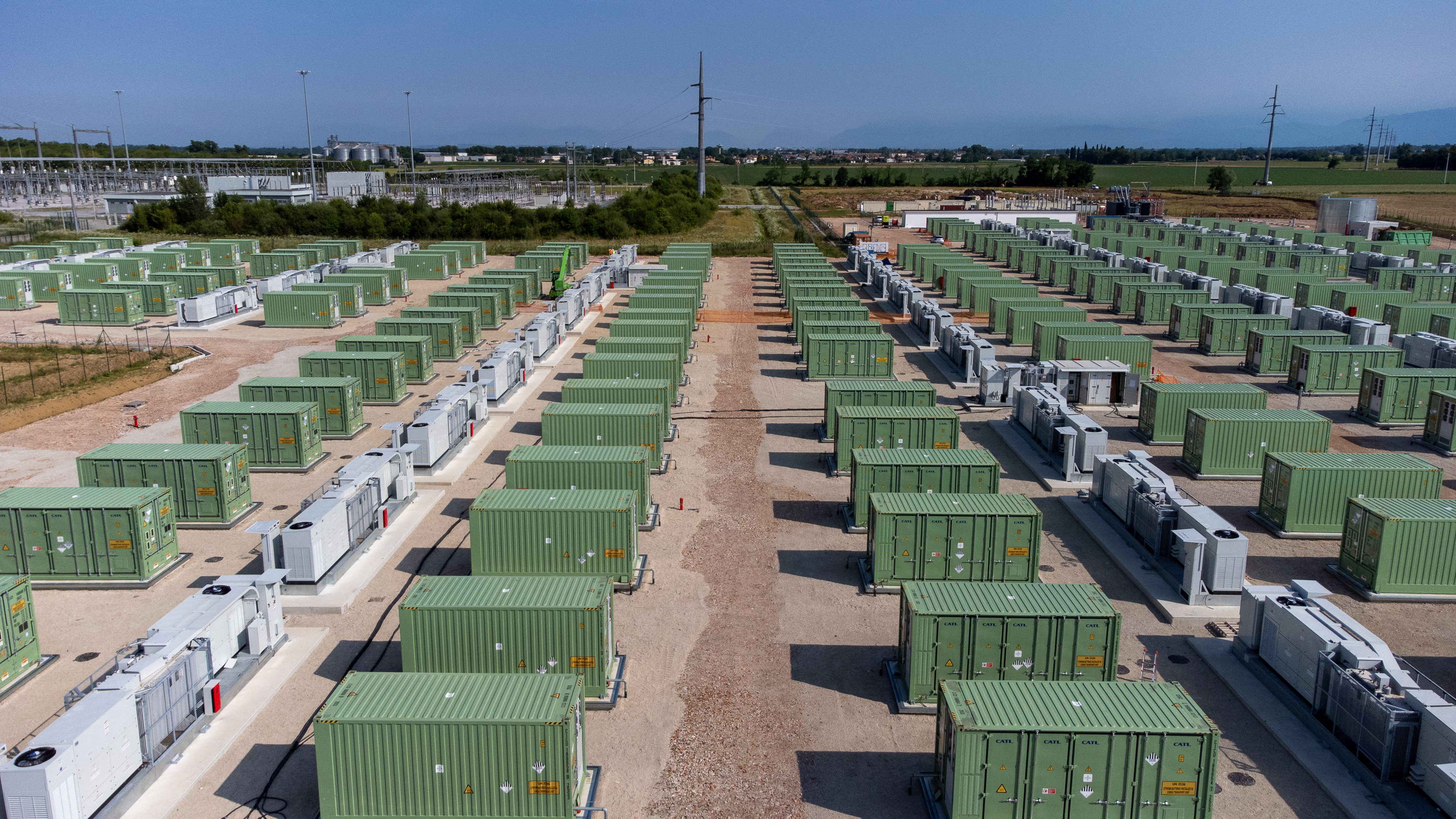
Utility-scale energy density has progressed rapidly over the past decade, with containerized capacities expanding from legacy 4 MWh blocks to newer systems reaching 6.25 MWh or more. Extracting maximum economic value from these dense installations requires advanced thermal management and flexible, long-term battery asset layout planning.
- Drastic reductions in site layout footprints: Modern modular inverter designs with power ratings exceeding 9 MVA achieve a physical footprint more than 30 percent smaller than earlier generations, lowering balance of plant (BOP) civil works, cabling and installation costs.
- Advanced liquid cooling thermal architectures: Circulating liquid coolant through key power electronics provides highly consistent temperature control compared to air cooling, mitigating thermal degradation risks in harsh climates.
- Consolidated environmental and acoustic safety: Centralising cooling circuits into a single unit achieves higher ingress protection (IP) ratings against dust and moisture while delivering lower acoustic emissions near populated areas.
- Seamless lifecycle battery augmentation pathways: Because battery storage capacities naturally degrade over time, additional cells can be cleanly integrated into existing modular architectures or new modules added without modifying the primary electrical infrastructure.
How is your grid integration team using modular inverter architectures to mitigate cascading fault currents and future-proof multi-decade battery augmentation strategies? Share your thoughts in the comments below.
Looking for the full technical breakdown? To examine the complete electrical layout and review the safety validation data for Ingeteam's high-capacity power conversion systems, visit the official Ingeteam website: https://pes.eu.com/exclusive-articles/a-solution-to-long-duration-and-high-density-battery-energy-storage






%20Bachmann-1.jpg)