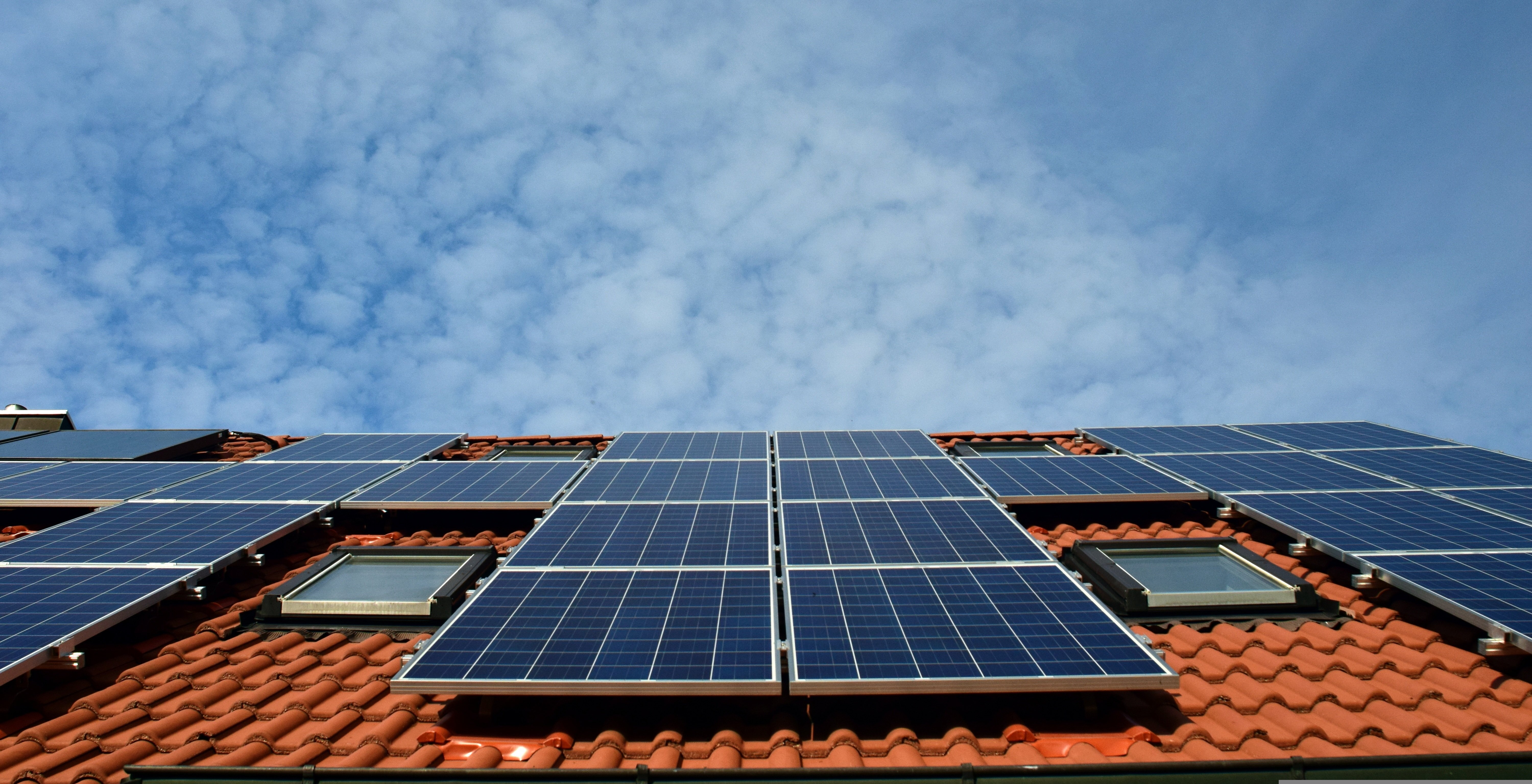
The transition to a renewable energy future is no longer a question of “if” but “when.” Driven by continuous innovation in solar energy, battery storage, and smart grid technologies, the global shift toward a 24/7 clean energy supply is accelerating at remarkable speed. These advances are not only making the dream of full renewable reliance technically feasible—they’re also making it financially viable and strategically sound.
Solar Power at the Forefront
According to the International Energy Agency (IEA), by 2030, nearly 940 GW of renewable energy will be added annually—with solar PV contributing a staggering 80% of that growth. Solar energy has become the backbone of the global clean power movement thanks to plummeting costs, increased efficiency, and expanded application.
The International Renewable Energy Agency (IRENA) reported that, as of 2023, solar power is 56% cheaper than the lowest-cost fossil fuel option. In Germany, utility-scale PV systems in 2024 offered a levelized cost of electricity (LCoE) ranging from just 6.0 to 10.8 euro cents per kWh—dramatically undercutting traditional coal and gas plants. This has made solar not only an environmentally responsible choice but also the smart economic option.
Europe’s Solar Renaissance
The growth is especially notable in Europe. In 2024 alone, the continent added a record 65.5 GW of PV capacity, and this number is projected to soar to 816 GW by 2030. Germany recently crossed the 100 GW milestone, supplying roughly 14% of its electricity from solar energy.
What’s more, solar is diversifying. Innovations such as building-integrated photovoltaics (BIPV) and agricultural PV are reshaping urban and rural landscapes alike, while homeowners are becoming prosumers—generating, storing, and using their own solar power in combination with heat pumps and EV chargers.
Smart Integration for a Smarter Grid
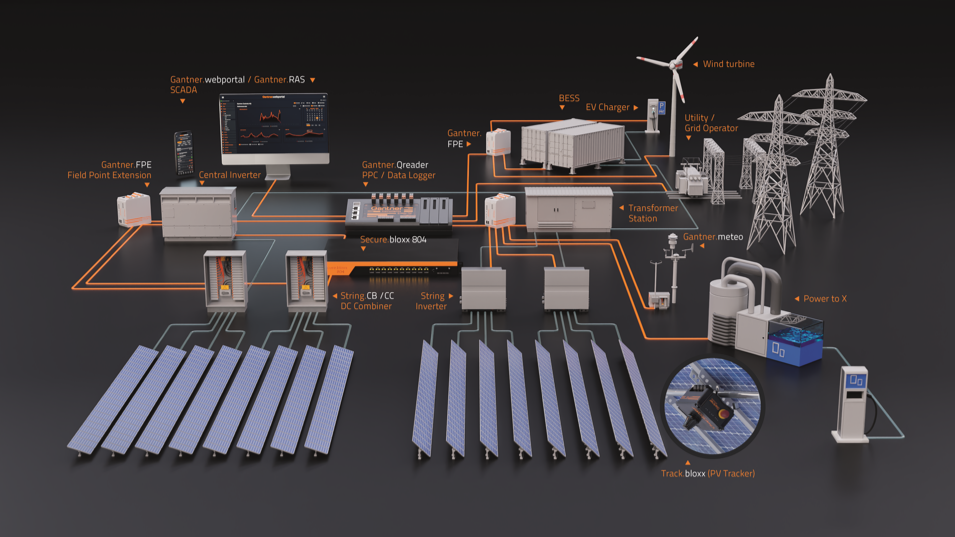
As renewable penetration grows, the need for smart integration becomes paramount. A decentralized grid comes with challenges like congestion and imbalances between generation and consumption. Enter digitalization and hybrid power systems, which combine solar with wind, hydro, or battery storage to ensure stable, resilient electricity supply.
Green hydrogen is also playing a growing role in storing and transporting renewable energy, helping to decarbonize hard-to-electrify sectors like heavy industry and freight.
Energy Storage: The Unsung Hero
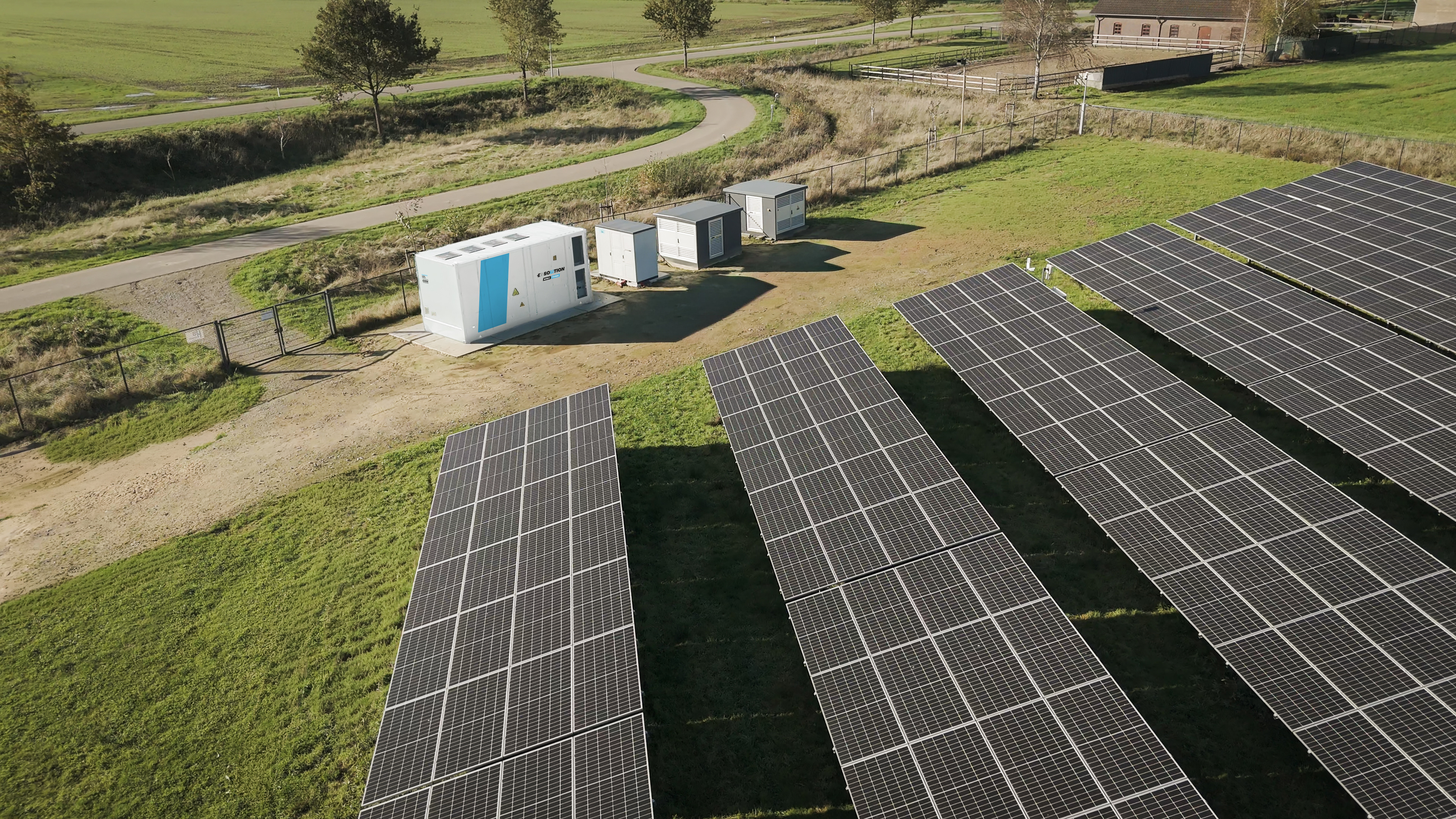
In 2024, the global energy storage market surged by 76%, reaching 69 GW/169 GWh. More than just storing excess electricity, battery systems now act as virtual transmission lines—enabling smarter grid balancing and stability.
With AI-driven energy management systems, batteries can optimize charging/discharging cycles in real-time, shift between energy trading and grid services, and replace fossil-based spinning reserves using grid-forming inverters.
Unlocking Grid Flexibility
One of the most exciting trends is consumer-driven flexibility. Technologies like bidirectional EV charging allow vehicles to feed energy back into the grid. According to Fraunhofer ISI and ISE, this could save the EU up to €22 billion per year and reduce the need for stationary storage by as much as 92%.
New business models are emerging across Europe, including EV chargers that offer free electricity in exchange for grid access to the vehicle’s battery—proving that flexibility is becoming a valuable market commodity.
Start-ups Leading the Charge
Innovation is being supercharged by start-ups. At The smarter E Europe 2024, more than 130 start-ups presented cutting-edge ideas in generation, storage, and smart energy systems. That number is set to rise to 180 in 2025, as over 4,000 m² of dedicated space fuels next-gen breakthroughs.
Initiatives like Germany’s Young Innovators Program and the Start-up Stage are accelerating this growth, offering funding and exposure for early-stage companies.
The smarter E Europe & Intersolar Europe 2025: Where Innovation Meets Industry
Taking place in Munich, The smarter E Europe 2025—including Intersolar Europe, ees Europe, Power2Drive Europe, and EM-Power Europe—is set to welcome 110,000 visitors and 3,000 exhibitors across 206,000 m² of exhibition space.
Key topics will include:
- Large-scale storage systems
- Green hydrogen
- Hybrid solar solutions
- Agricultural PV
- Bidirectional charging
Expert conferences will be held May 6–7, while the prestigious smarter E Award will highlight groundbreaking achievements across solar, storage, e-mobility, and integrated energy.
Final Thoughts
As the world races toward net zero, it’s clear that solar is not just part of the solution—it’s leading it. With supportive policy, strategic investment, and bold innovation, the energy transition is no longer a challenge to be solved—it's a future being built, now.
📅 Don’t miss The smarter E Europe 2025. 🌐 www.thesmartere.de 🌐 www.intersolar.de