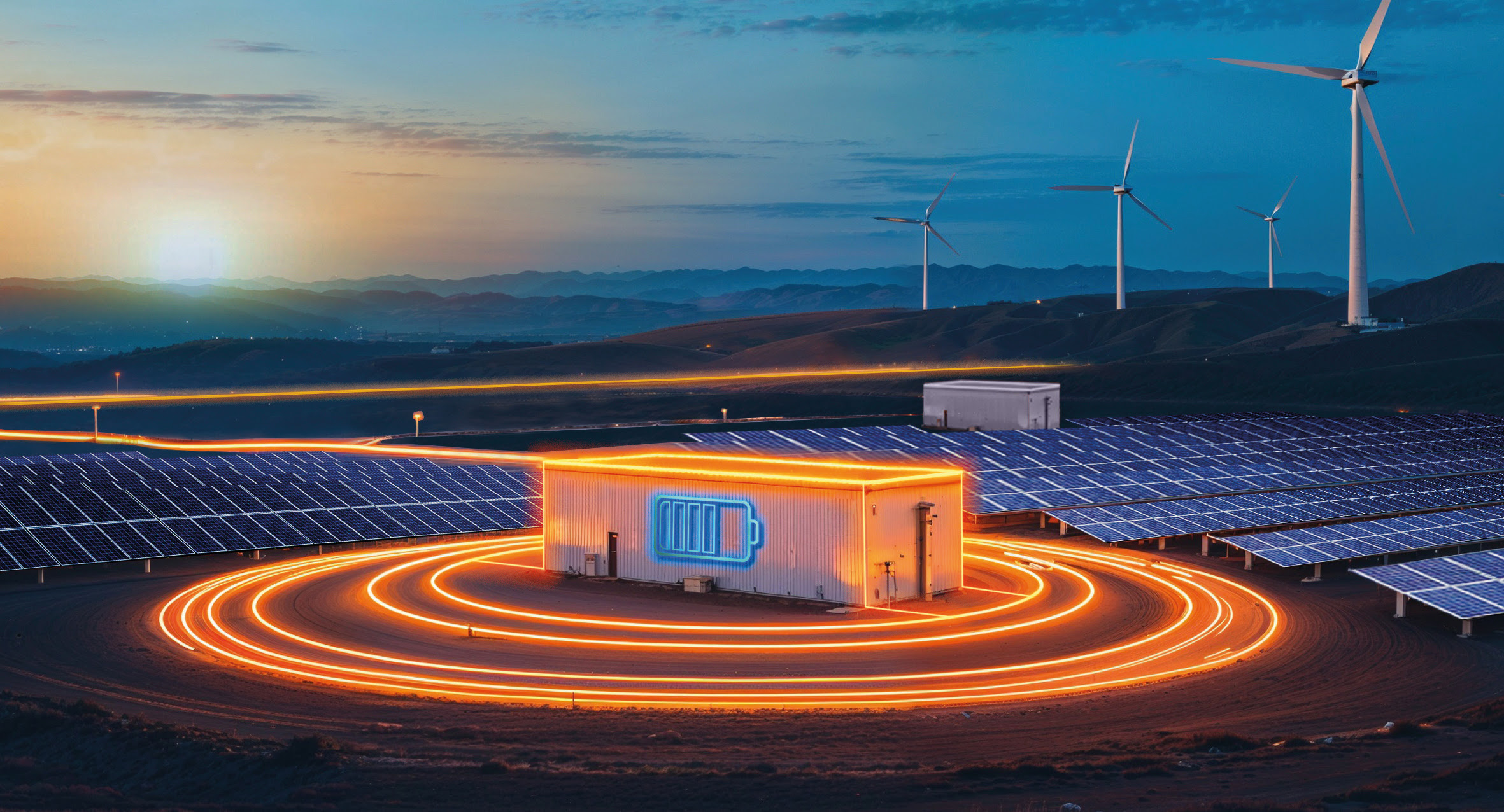
Munich/Pforzheim, June 12, 2026 – Solar expansion in the European Union (EU) continues apace: According to the think tank Ember, 30 percent of electricity already came from solar and wind last year. Yet success is creating new strain on the energy system. The challenge is no longer how much green electricity is generated, but how it is made available when the market needs it. Hybrid PV systems are emerging as a key enabler by combining generation, storage and grid integration in one place. Only the combination of photovoltaics (PV) and battery energy storage systems (BESS) ensures reliable supply, eases pressure on grids and shields operators from costly curtailment. Intersolar Europe, the world's leading exhibition for the solar industry, is placing this topic at the center and showcasing relevant technologies from June 23–25 at Messe München. Visitors will see how photovoltaics, battery storage, grids, charging infrastructure and energy management interact to create resilience. In-depth analysis will be provided in sessions of the Intersolar Europe Conference and the Intersolar Forum. Intersolar Europe is held as part of The smarter E Europe, Europe’s largest alliance of exhibitions for the energy industry, with around 2,800 exhibitors and more than 100,000 trade visitors.
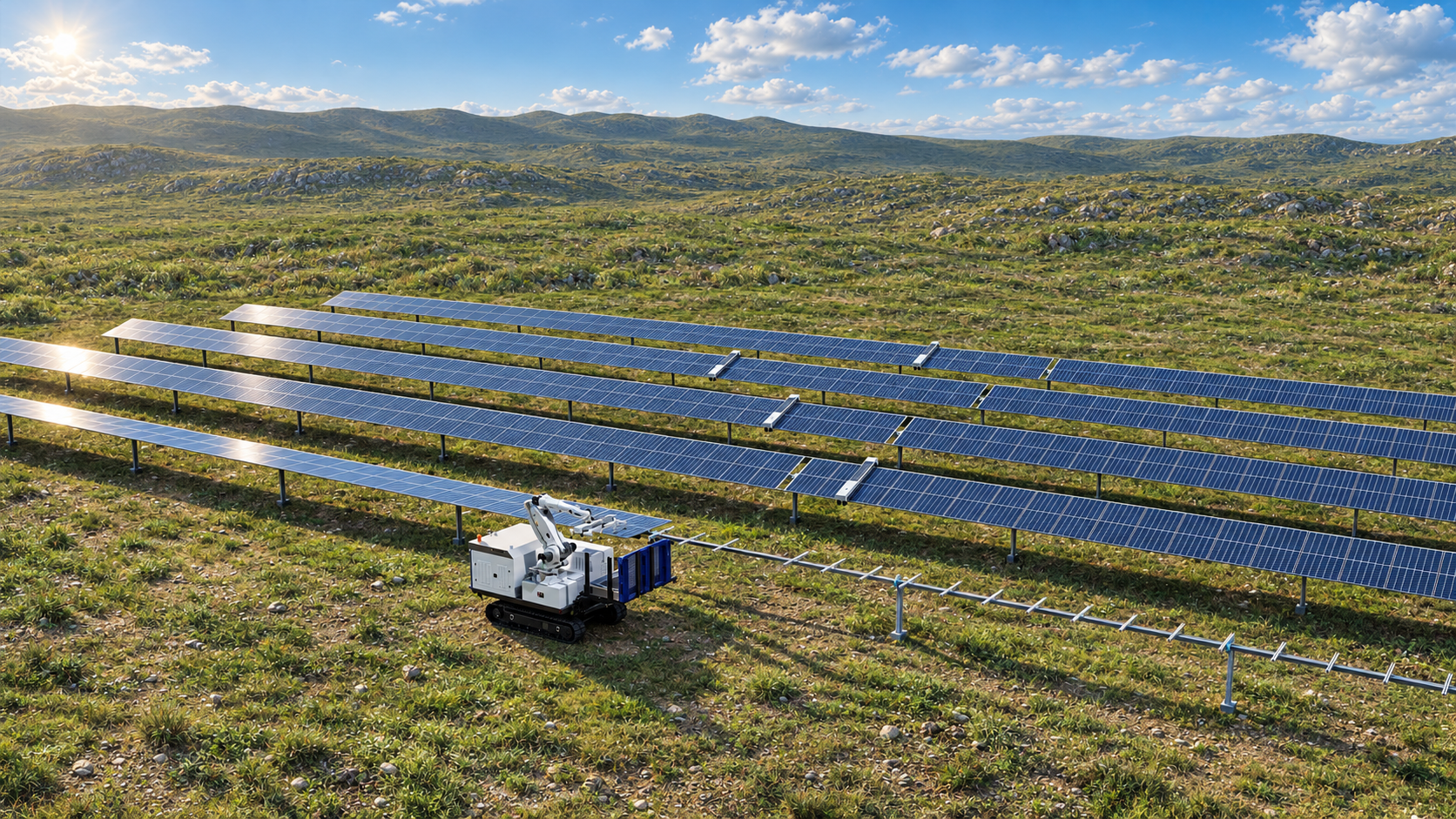
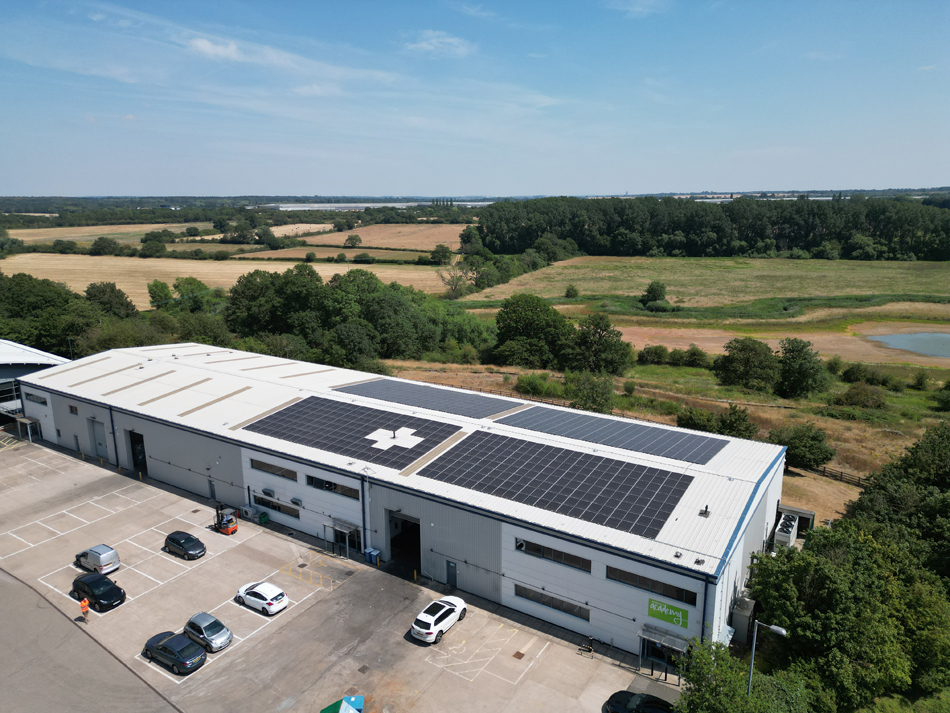
Hybrid PV systems combine solar installations and large-scale storage behind a single grid connection point, making the system more flexible. Solar power can be fed directly into the grid or stored temporarily and supplied to the grid when required. At midday and in summer, PV systems often produce a lot of electricity. The grid is overwhelmed, plants have to be curtailed and power exchange prices fall below zero – while the same electricity is scarce in the evening when demand rises. The solution lies in combining generation and storage. Storage makes renewable electricity more predictable, smooths price spikes and reduces the need for fossil-fuel generation. New business models are emerging across the planning, operation and financing of hybrid PV systems. Integrated systems make the renewable energy system more affordable, competitive and resilient.
Europe’s energy supply must become more resilient
The European Union (EU) still relies heavily on fossil fuels for its energy supply. According to Ember, fossil fuels accounted for 29 percent of electricity generation in 2025. This leaves member states exposed to geopolitical tensions, crises and conflict, all of which feed through into gas and oil prices and supply chains. European economies remain dependent on imports and markets over which they have limited control. At the same time, electricity demand is rising, driven by digitalization, the expansion of electromobility, the deployment of artificial intelligence (AI) and heat pumps, as well as the electrification of industry and commerce. SolarPower Europe, the leading European industry association, expects EU electricity demand to rise to 3,000 terawatt hours by 2030. The system therefore needs to become more independent and more resilient.
50 billion euros in annual savings
The fastest and most effective response is to accelerate the rollout of solar and battery storage. This is the conclusion of SolarPower Europe’s study Solar+: An EU Pathway to Achieve Renewable Targets, Price Affordability, and Energy Security. By 2030, storage capacity needs to quadruple to 171 gigawatts, with average storage duration rising to three and a half hours. This could halve the energy system’s operating costs by 2030, significantly reduce wholesale electricity prices and dampen price volatility for businesses and households.
According to the association, solar power has already saved 8.5 billion euros in gas imports in just the first two months since the start of the war in the Middle East. By 2030, annual savings could exceed 50 billion euros. To unlock the full potential of solar and storage, the study calls for coordinated policy action to accelerate electrification across all sectors. This requires an EU action plan in which price signals, infrastructure development and regulatory framework conditions are aligned, and renewable energies become a competitive option in industry, transport and buildings. Rather than continuing to favor fossil fuels, the benefits of the energy transition should be distributed more broadly across society, says the study.
Europe turns to hybrid power systems
The United Kingdom is considered a trailblazer in hybrid PV systems. Targeted incentives and faster approval processes have already enabled some systems to go into operation. The Cleve Hill project, combining a 373-megawatt solar farm with a 150-megawatt battery system, is widely seen as a benchmark for large-scale projects. Germany has also delivered several projects, including the Gundelsheim energy park in the Heilbronn district, where a solar park and battery storage system are being complemented by a wind farm. The individual technologies are coordinated to complement each other perfectly and balance variability in generation more effectively. Battery storage helps align solar feed-in more closely with grid demand. Italy is supporting hybrid solar and storage projects, while Spain is reforming auction and grid rules to reward flexibility. Poland, Hungary and other Central European countries are also integrating photovoltaics and storage into their systems.
Intersolar Europe: sessions on the hybrid systems
At the Intersolar Europe Conference on June 22 at the International Congress Center München, the session Solar + Storage – Integrating Hybrid Assets for Grid Support and Flexibility will present initiatives that demonstrate how integrated solar and storage systems can strengthen grids and prevent bottlenecks. Speakers will report from real-world projects and discuss the importance of cooperation between grid operators, developers and flexibility providers. At an Intersolar Forum session organized by SolarPower Europe and the Battery Storage Europe Platform on June 24 in hall A3, industry experts will discuss the growing role of hybrid power systems with project developers presenting practical examples from across Europe.
Intersolar Europe and the parallel events ees Europe, Power2Drive Europe and EM-Power Europe will take place from June 23–25, 2026 as part of the innovation hub The smarter E Europe, the continent’s largest alliance of exhibitions for the energy industry, at Messe München.
For more information, please visit:
www.intersolar.de
www.TheSmarterE.de
Intersolar Europe
As the world’s leading exhibition for the solar industry, Intersolar Europe demonstrates the enormous vitality of the solar market. Under the motto “Connecting solar business” global market leaders present their latest product developments, as well as trends and business models. These organizations include manufacturers, suppliers, distributors, installers, service providers, project developers, planners and start-ups.
Intersolar Europe will take place from June 23–25, 2026 – for the first time from Tuesday to Thursday – as part of The smarter E Europe, Europe’s largest alliance of exhibitions for the energy industry, at Messe München. Whether electricity, heat and transport – the following three exhibitions dedicated to renewable 24/7 energy supply will take place alongside Intersolar Europe:
- ees Europe – The continent’s largest and most international exhibition for batteries and energy storage systems
- Power2Drive Europe – The international exhibition for charging infrastructure and e-mobility
- EM-Power Europe – The international exhibition for energy management and integrated energy solutions
The Intersolar Europe Conference, where renowned experts showcase the latest industry innovations, will also take place at the same time from June 22–23, 2026 (Monday–Tuesday). To cover all aspects of a future-oriented energy world, it will be accompanied by three other specialist conferences.
With Intersolar India in Gandhinagar, India, Intersolar South America in São Paulo, Brazil, Intersolar Mexico in Mexico City, Mexico and Intersolar Africa in Nairobi, Kenya, this global exhibition series is represented across five continents.
Intersolar Europe is organized by Solar Promotion GmbH and Freiburg Wirtschaft Touristik und Messe GmbH & Co. KG (FWTM).
Contact:
Solar Promotion GmbH | P.O. Box 100 170 | 75101 Pforzheim
Horst Dufner | Tel.: +49 7231 58598-0 | Fax: +49 7231 58598-28
info@intersolar.de
Press contact:
RYSM | Schlesische Straße 26/c4 |10997 Berlin
Roberto Freiberger | Tel.: +49 163 8430 943
roberto.freiberger@rysm.com