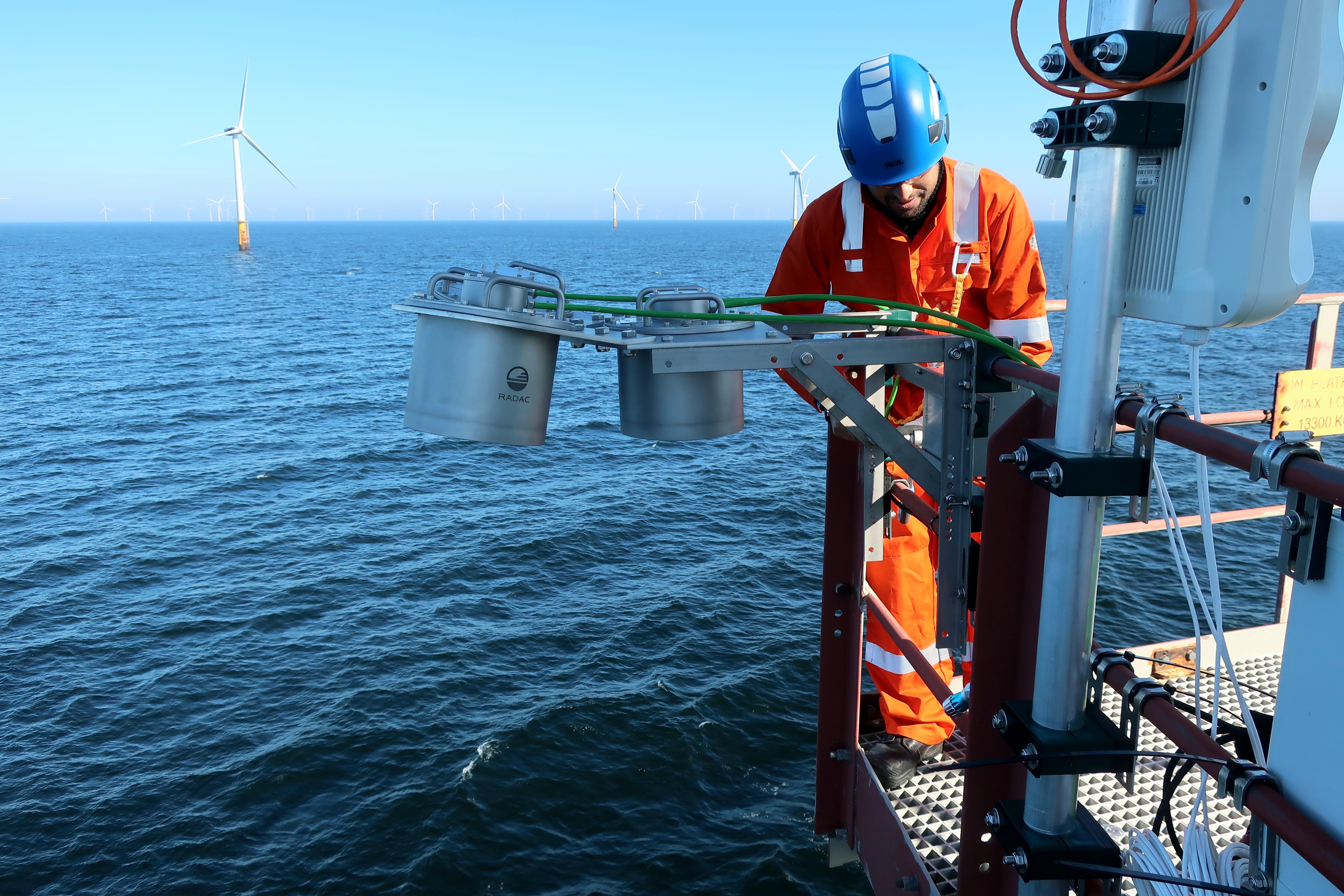
From early challenges measuring waves in harsh marine conditions to real-time data for offshore wind, Radac’s 30-year history has been shaped by the practical problems its technology was built to solve.
During an operational meeting for an offshore wind farm in the North Sea many years ago, a frustrated project manager strode into the conference room. He had just dispatched a crew transfer vessel (CTV), basing his go-ahead on a regional weather model that indicated a workable ‘weather window’. However, the reality offshore was different.
Once the CTV arrived at the location, the actual sea state deviated so significantly from the forecast that the ship was forced to turn back. The decision to sail cost the project thousands of euros in vessel chartering fees and wasted fuel with zero work accomplished.
Sitting at that very conference table was Radac founder Tom van der Vlugt. For him, this incident underscored a critical and persistent pain point within the industry: regional weather models simply do not always offer the level of certainty required for operations at the actual worksite.
Asset managers, offshore installation managers and vessel captains need reliable, local wave measurements alongside forecasts when deciding whether it is safe and practical to proceed.
The company marks its 30th anniversary this year. Looking back, the unique sensors the company provides to the modern offshore wind sector today weren’t simply dreamt up at a drawing board. Instead, every single technology has been forged in real-world operational challenges, originating from specific customer inquiries and maritime problems.
Much of that work has involved collaboration with oceanographic and maritime institutions, including the Dutch Directorate-General for Public Works and Water Management (Rijkswaterstaat) and the Maritime Research Institute Netherlands (MARIN).
Download full article