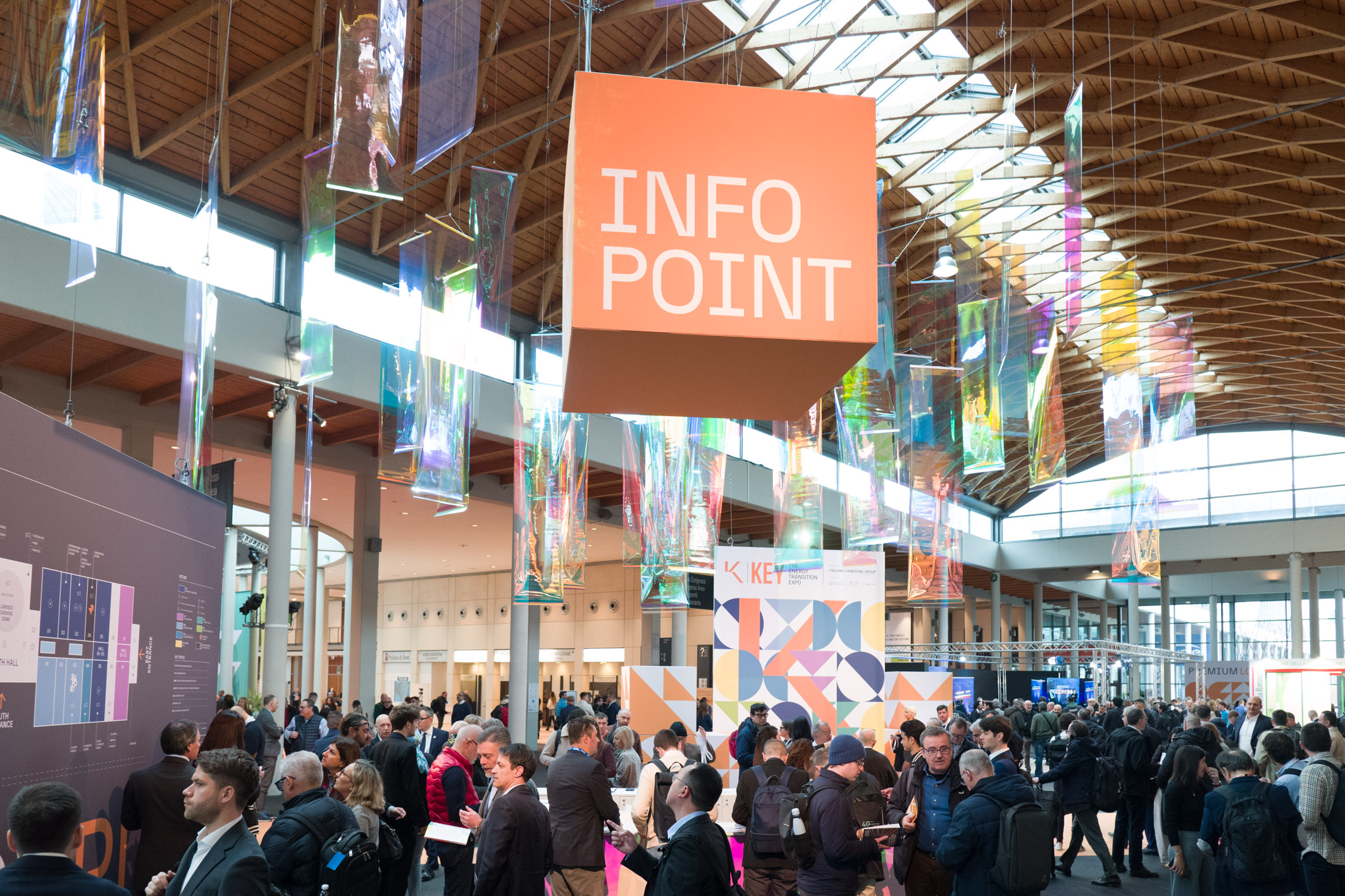
PES talks to Alessandra Astolfi, Global Exhibition Director of the Green & Technology Division at Italian Exhibition Group (IEG), about the conditions needed to get offshore wind projects built and the role of KEY, The Energy Transition Expo. The event returns to Rimini Expo Centre, Italy, from 10th to 12th March 2027, with a growing focus on offshore and onshore wind.
PES: Alessandra, it’s good to have you with us. Europe has ambitious plans for offshore wind, but progress varies considerably across the region. How do you see the market at the moment, and where are the strongest signs of progress?
Alessandra Astolfi: The targets for offshore wind development are very ambitious, and its technological and industrial potential is now widely recognised, but growth remains uneven.
According to WindEurope’s September 2026 report, 8.8 GW of new wind capacity was installed in Europe in the first six months of 2026, including 7.1 GW in the EU-27 alone. Onshore wind accounted for 74% of the new capacity, while 2.3 GW of new offshore capacity was connected to the grid.
Europe now has more than 311 GW of total wind capacity, including 40.9 GW offshore. The EU-27 accounts for nearly 252 GW of the total, including 23.2 GW offshore.
The most encouraging signs come from the increasing maturity of technologies, developments in floating offshore wind and investment in the infrastructure needed to support new projects. At the same time, there is growing recognition that offshore wind cannot be considered simply as a standalone power generation technology: it requires suitable ports and grids, skills, a competitive industrial supply chain and access to finance.
Download full article