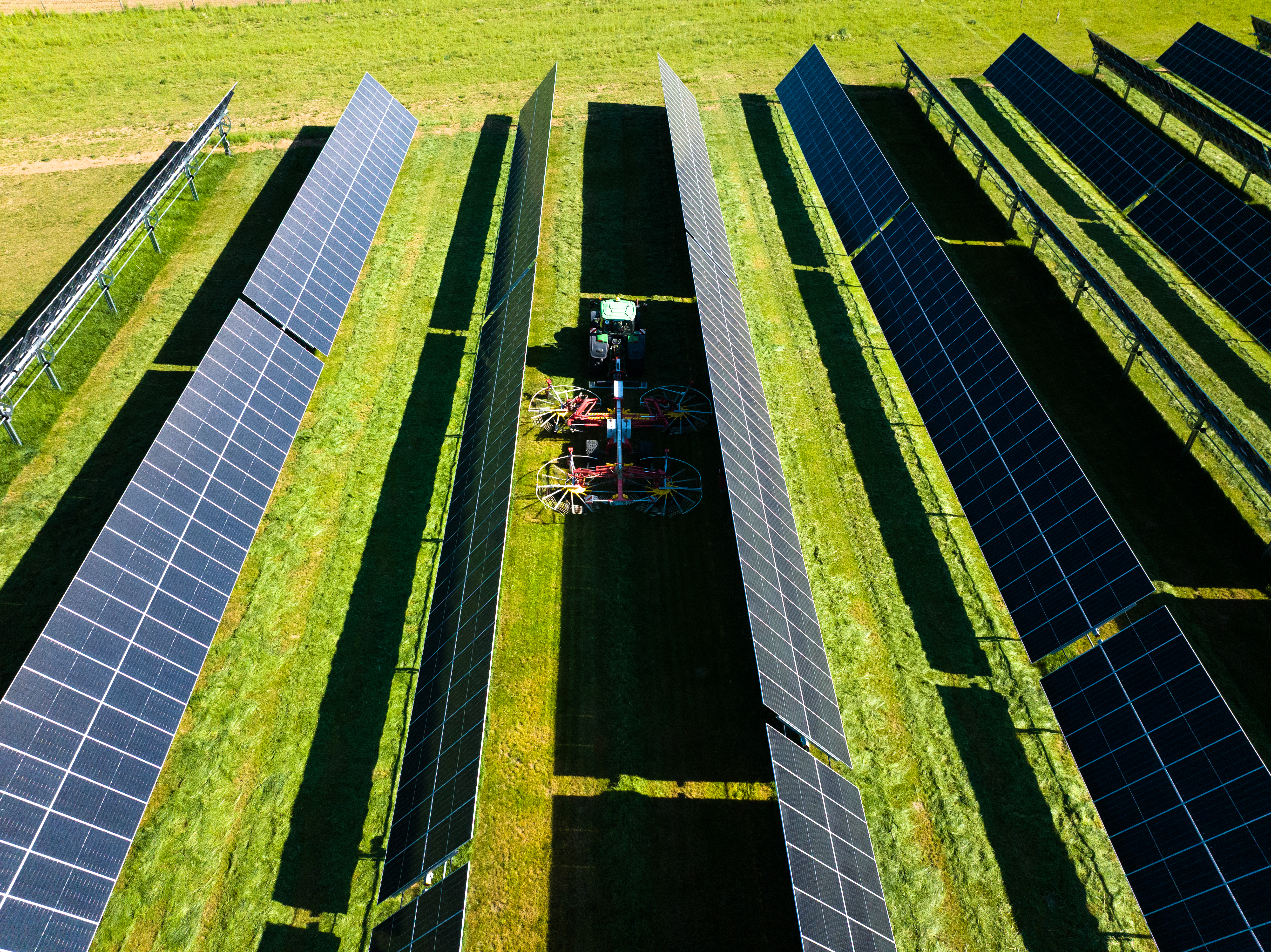
The US solar industry has built an enormous fleet of operating assets. As that fleet ages, commissioning, preventive maintenance and timely repowering decisions are becoming increasingly important to long-term performance.
For much of the solar industry’s growth, success has been measured in megawatts and gigawatts. How much capacity did we install? How quickly did we build it? How much more can we bring online next year?
Those questions still matter. But another is becoming increasingly important: how well will all that solar perform once it is built? This industry has built an enormous base of operating assets. As that base grows, it also ages.
That changes the conversation.
For developers, asset owners and operators, the next phase of solar is not simply about deployment. It is about protecting the performance of assets expected to operate for decades. That requires thinking about service not simply as a response to component failure, but as part of the asset strategy from the outset of the project.
Start with the end in mind
A solar plant is built to generate energy and revenue for decades. But too often, decisions about how to support and maintain that investment are made later in the project lifecycle, sometimes only after an issue arises.
That is backwards.
The lifecycle strategy should begin during commissioning. Good commissioning does more than verify that equipment is functioning on the day a plant begins operation. It establishes a performance baseline, identifies potential issues and helps ensure the system is operating as designed from the outset.
Download full article