Exclusive Articles

Is the grid ready for the next phase of solar?


Published in: Solar, Exclusive Articles, Industrial Insight


Is the grid ready for the next phase of solar? image

Solar has spent much of the past decade answering one question: how quickly can it grow? Increasingly, another question matters just as much.

Can the electricity system keep up?

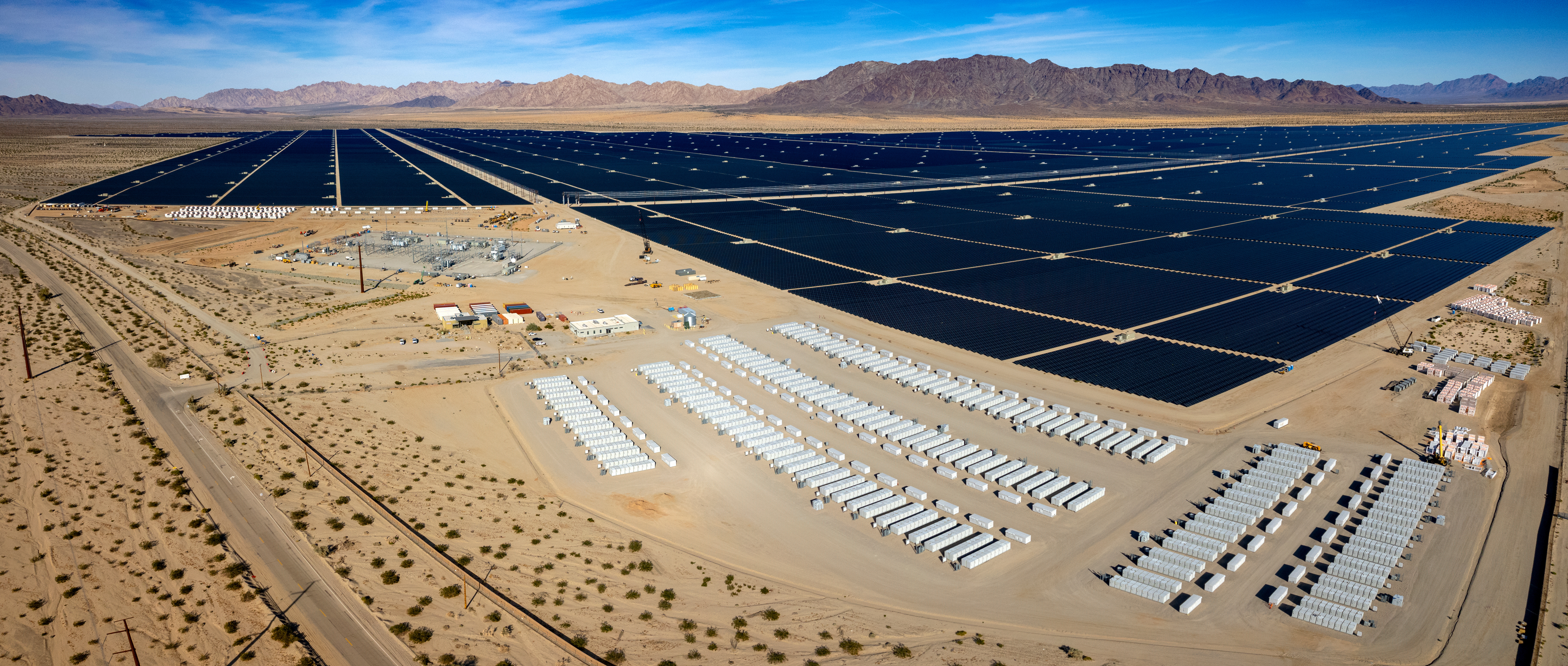
The change has been remarkable. In 2025, solar generated a record 369 TWh of electricity across the EU, more than double its output five years earlier. Its share of EU electricity rose above 13% and, in June, solar became the EU’s largest source of electricity for a month for the first time.

This is a success story, but it is also changing what the industry needs to think about. Installing more generating capacity remains important, yet the next phase of solar will depend increasingly on what happens around the panels: the networks that connect them, the storage that shifts their output, the demand that can respond to periods of abundant generation and the technology that keeps an increasingly complex electricity system stable.

Solar can be built. The more difficult question now is how effectively all that electricity can be used.

Growth is exposing a different constraint

Solar projects can be developed far more quickly than major grid infrastructure. According to the International Energy Agency (IEA), renewable projects such as solar and wind can typically be built in one to five years, while planning, permitting and completing new grid infrastructure can take between five and 15 years.

That difference is becoming increasingly difficult to ignore.

More than 2,500 GW of renewable generation, storage and large electricity demand projects are currently stalled in grid connection queues worldwide. The IEA also estimates that annual grid investment will need to increase by around 50% by 2030 from today’s level of approximately USD 400 billion if networks are to meet forecast electricity demand.

 Download full article