Exclusive Articles

From generation to resilience: why solar must become part of the grid stability solution


Published in: Solar, Talking Point, Exclusive Articles
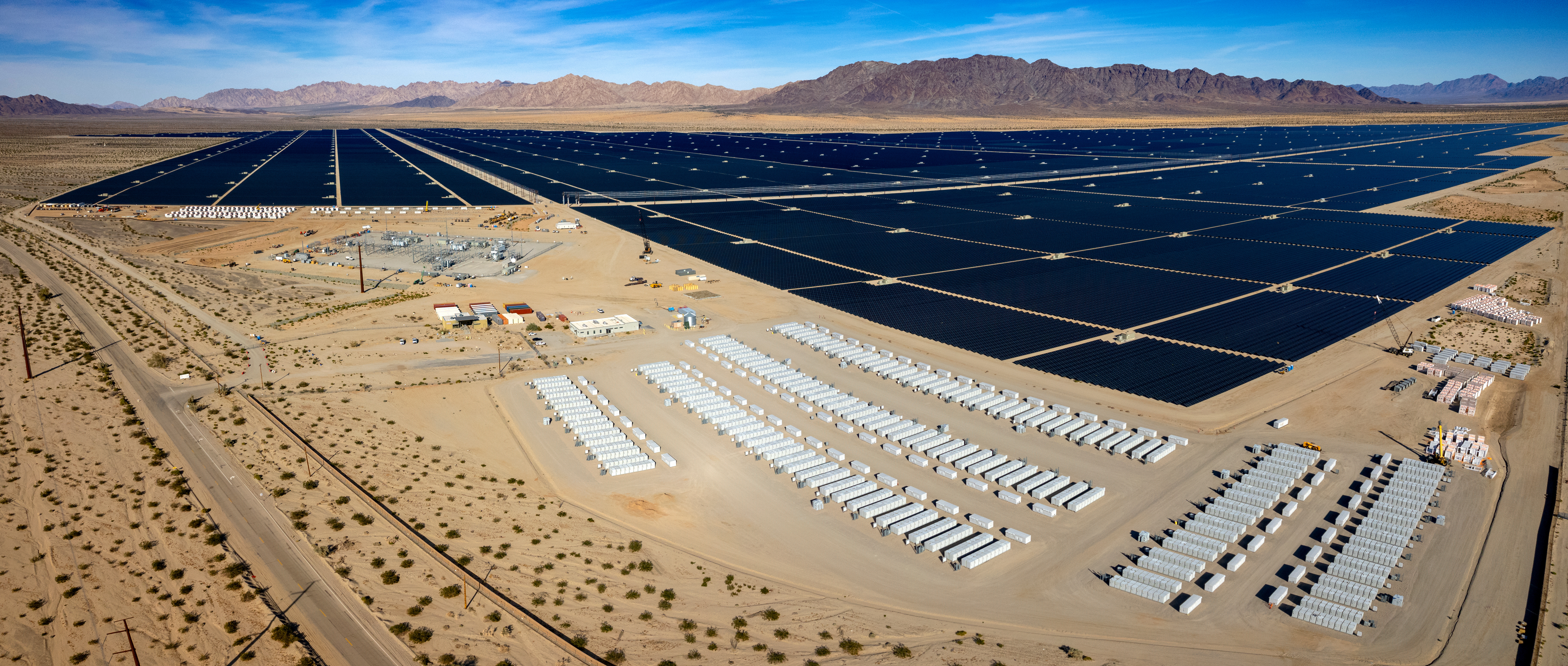

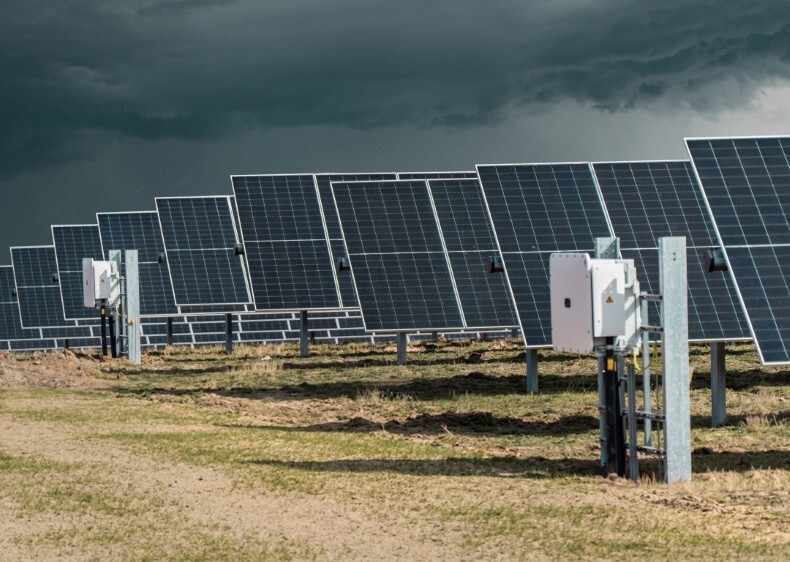
From generation to resilience: why solar must become part of the grid stability solution image

The extreme heat experienced across the UK in late June this year provided a timely reminder that the electricity system’s challenge is no longer simply having enough generation. Increasingly, it is about having the right generation, flexibility and grid-support capability available at the right time.

During the week commencing 22nd June, extreme temperatures, low wind, reduced gas generation availability, sustained demand and challenging system conditions placed the electricity system under significant operational pressure. Frequency reached a low of 49.66 Hz on 23rd June, while NESO issued Electricity Margin Notices for evening peaks on 24th and 26th June. NESO confirmed that frequency remained within statutory limits and no customer demand was disconnected.

Ofgem has since commissioned a post-event review of system conditions and operational decisions, alongside oversight of a separate investigation into whistleblowing allegations.

Whatever the outcome, the episode offers an important lesson: grid resilience needs to be designed into the next generation of renewable energy projects, rather than treated as something that happens around them.

Solar is part of the answer, but timing matters

It would be easy to interpret the June heatwave as a warning about intermittent renewable generation. That would miss the bigger picture.

Solar generation was valuable during daylight hours, when strong sunshine coincided with elevated cooling demand. But solar output falls as daylight fades, just as evening demand can remain high.

 Download full article