Exclusive Articles

How offshore infrastructure shapes vessel traffic: a GIS-based case study


Published in: Wind, Exclusive Articles, PES Spotlight
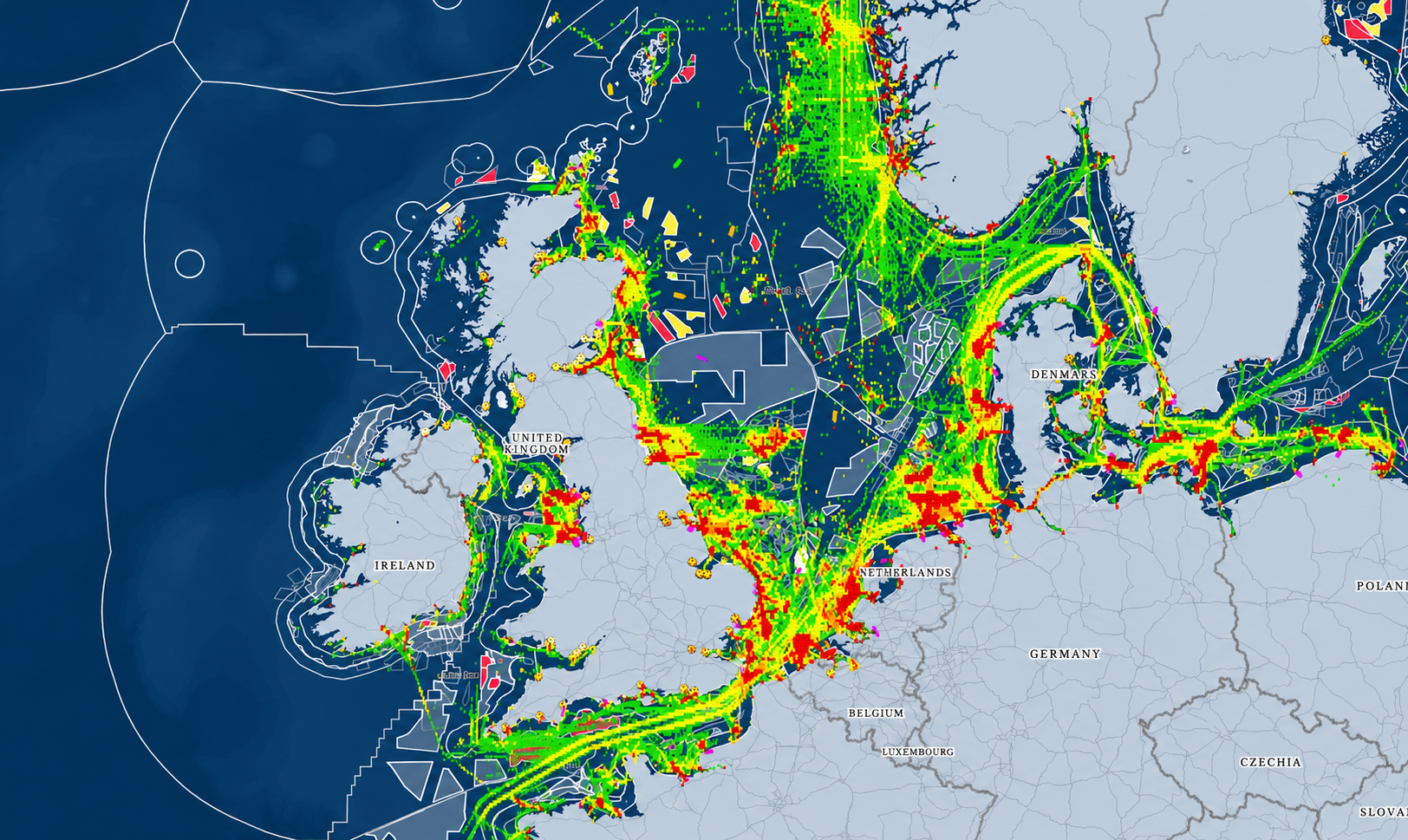

How offshore infrastructure shapes vessel traffic: a GIS-based case study image

Offshore vessel traffic may appear random at a glance, but beneath the surface, it is tightly structured by infrastructure and project timelines. Using GIS to combine AIS data with development records, this case study reveals how major wind farms like Dogger Bank B, Dogger Bank C and Sofia actively reshape marine activity, transforming scattered vessel movements into organised patterns driven by construction phases and spatial design.

To a casual observer, vessel movements offshore can look scattered and unremarkable. In reality, activity is shaped by a range of factors. As offshore wind projects become larger and more complex, they are playing an increasingly influential role in how vessels operate.

That focus is not always obvious from a single map or a single vessel track. It becomes clearer when historical AIS data (VesselTracker Wood Mackenzie, 2026) is combined with GIS and viewed alongside a project’s development timeline. When those datasets are brought together, the sea reveals a detailed story.

 Download full article