Exclusive Articles

German solar at a turning point


Published in: Solar, Exclusive Articles, Country Focus
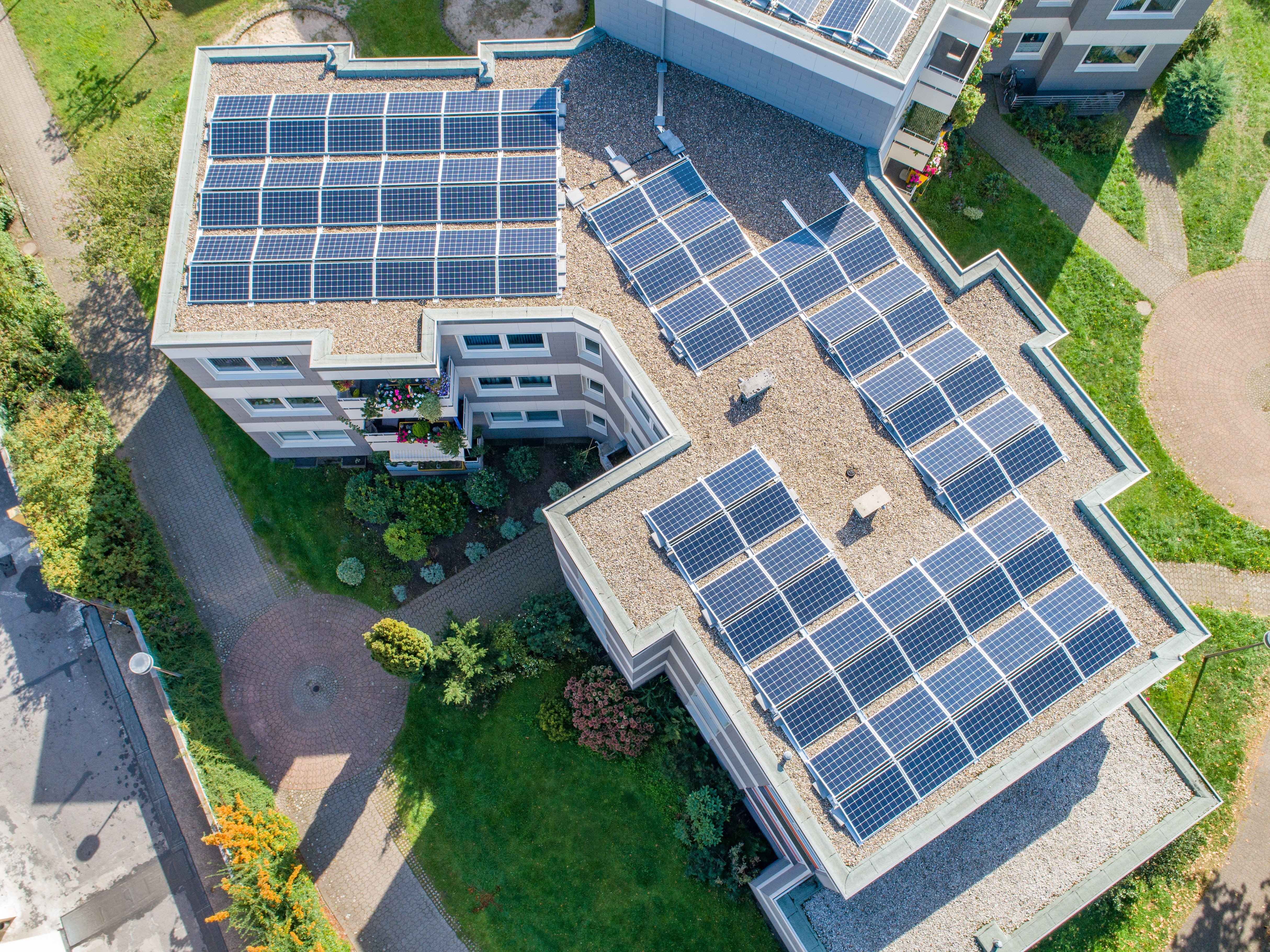

German solar at a turning point image

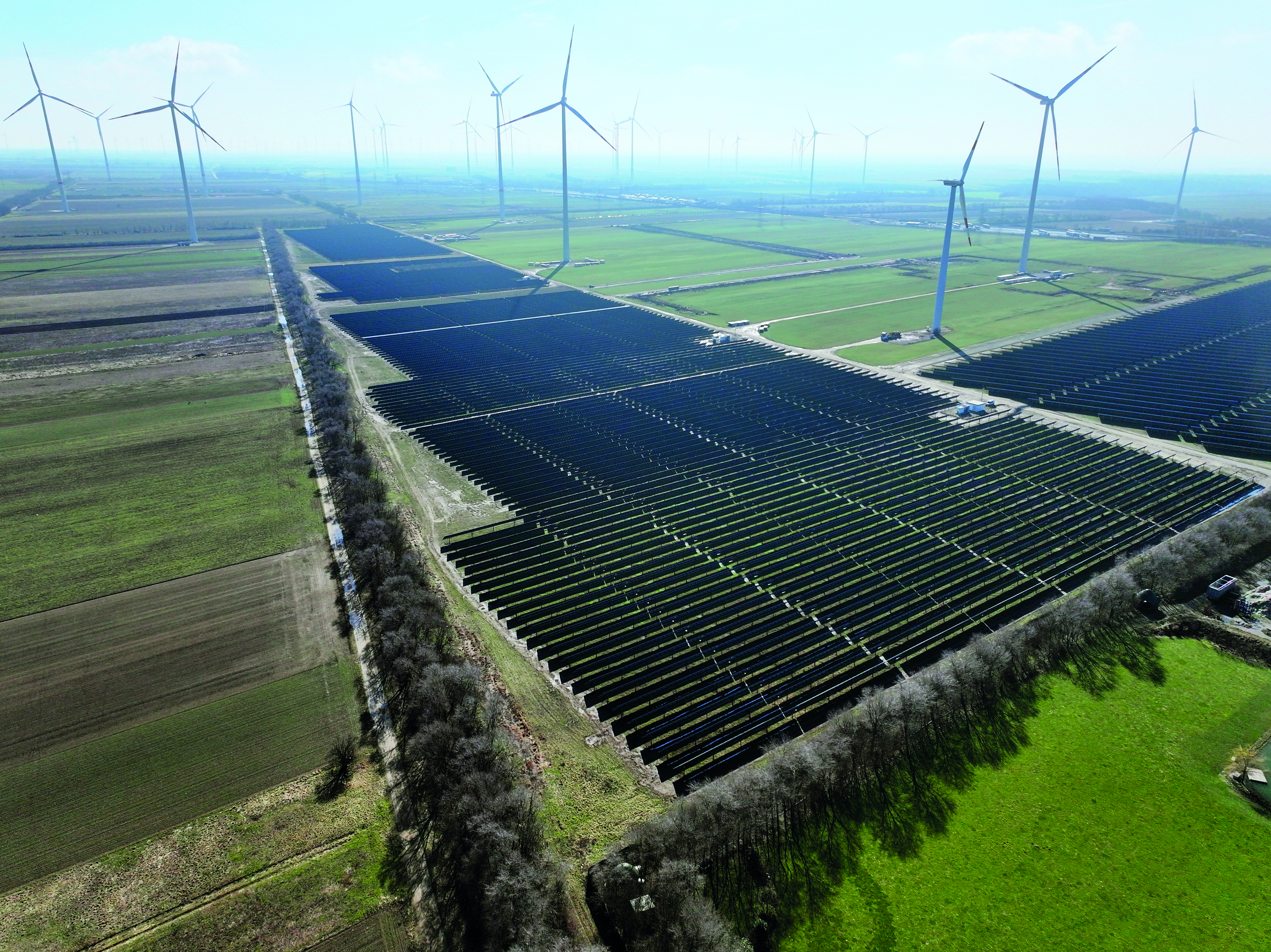
Germany has long been one of the defining solar markets in Europe. It helped turn photovoltaics from a subsidised early-stage technology into a mainstream part of the power system, then lived through the consequences of market contraction, policy change and intense global competition. Today, German solar is back at the centre of the country’s energy transition, but the story is no longer simply about adding more panels.

By the end of 2025, Germany had around 117 GW of installed solar capacity, with 16.4 GW added during the year.1 Photovoltaics generated approximately 87 TWh of electricity in 2025, up by around 21% compared with the previous year, and moved into second place in Germany’s public net electricity generation mix behind wind.2

That’s a major achievement. However, it’s also not enough. Germany’s target is 215 GW of installed photovoltaic capacity by 2030. To reach it, the country needs to add an average of 19.6 GW of solar capacity each year through to the end of the decade.1 In other words, Germany is already one of Europe’s largest and most experienced solar markets, but it still needs to accelerate from an already high base.

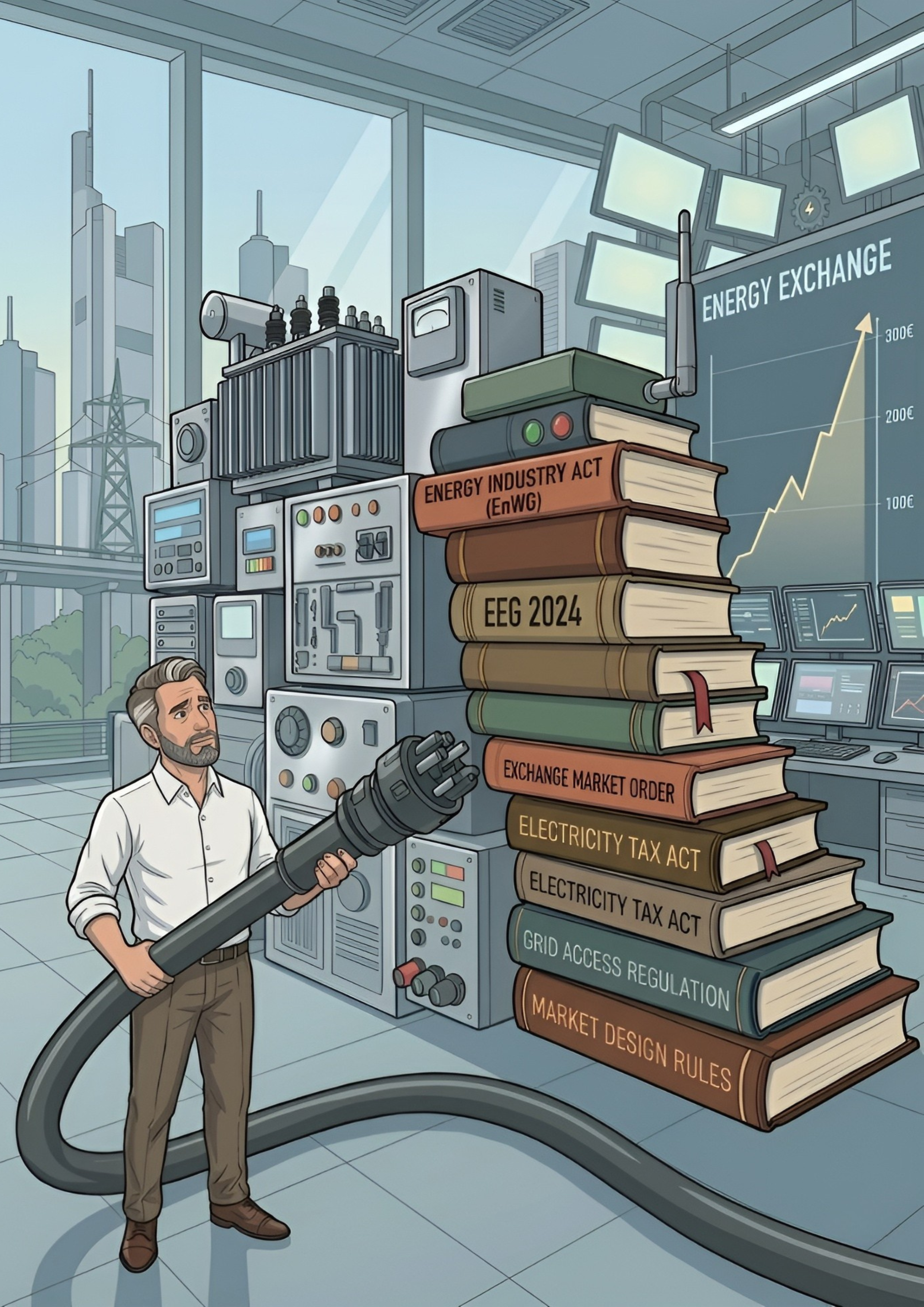
The next phase of German solar will be shaped less by whether the market believes in PV and more by whether the wider system can keep up with it. Grid connection, storage, land use, rooftop access, digitalisation, supply chain resilience and market design are now just as important as module prices.

 Download full article