Exclusive Articles

Closing the quality gap: the science of robotic blade leading-edge repair


Published in: Wind, Exclusive Articles, PES Spotlight
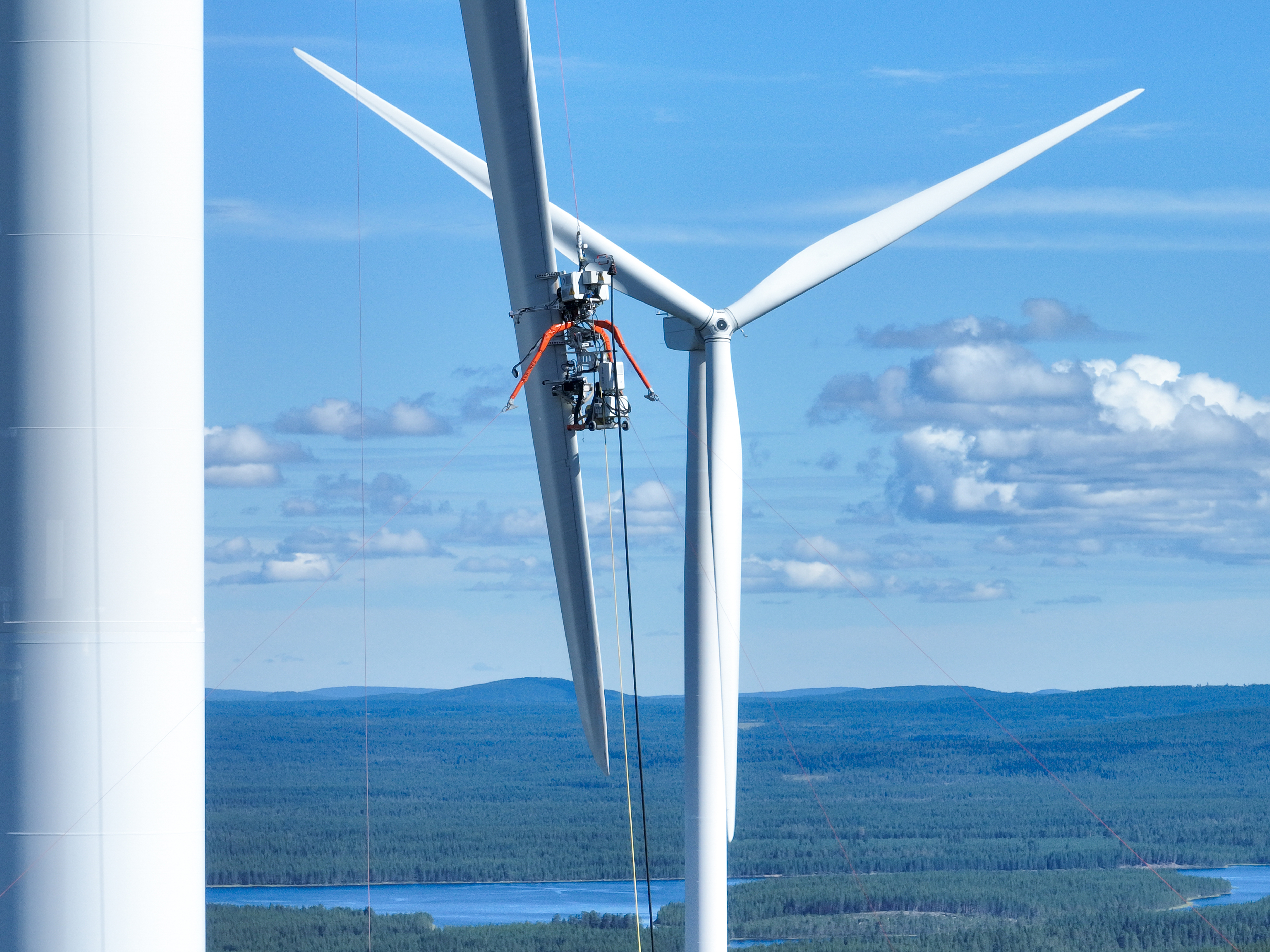

Closing the quality gap: the science of robotic blade leading-edge repair image

How systematic materials research, rain erosion testing and a new generation of robotic systems are reshaping the economics of leading-edge protection in wind turbine maintenance.

The leading edge of a wind turbine blade is among the most punishing environments in renewable energy. At tip speeds routinely exceeding 80 to 100 metres per second, each blade endures relentless high-energy impacts from raindrops, hailstones and airborne particulates over its entire operating life.

The resulting erosion is not merely cosmetic: it degrades the blade’s carefully engineered aerodynamic profile, triggers turbulent airflow, increases drag and steadily erodes annual energy production by as much as 1 to 5% depending on the severity of damage.

Over the lifespan of a modern wind farm, that figure translates into millions of dollars in lost revenue.

The wind industry has long recognised leading-edge erosion as a critical operations and maintenance challenge. Yet for many years, the response was largely reactive: inspect blades when convenient, send rope access technicians up the tower when damage became severe, apply filler and coating by hand and hope the result lasted long enough to justify the cost and downtime.

 Download full article