Exclusive Articles

Better tools, same downtime. What has to change?


Published in: Wind, Talking Point, Exclusive Articles

Better tools, same downtime. What has to change? image

The maintenance industry has invested in more sensors, software and AI than ever before, and the tools keep improving. The downtime numbers haven’t followed. The question is how to turn better information into effective maintenance.

Better tools, same downtime

Condition monitoring has come a long way. Electrical signature analysis, for example, reads the whole drivetrain through the generator. Blade monitors can detect damage long before it becomes catastrophic. On paper, the wind industry has never been better equipped to spot failures early.

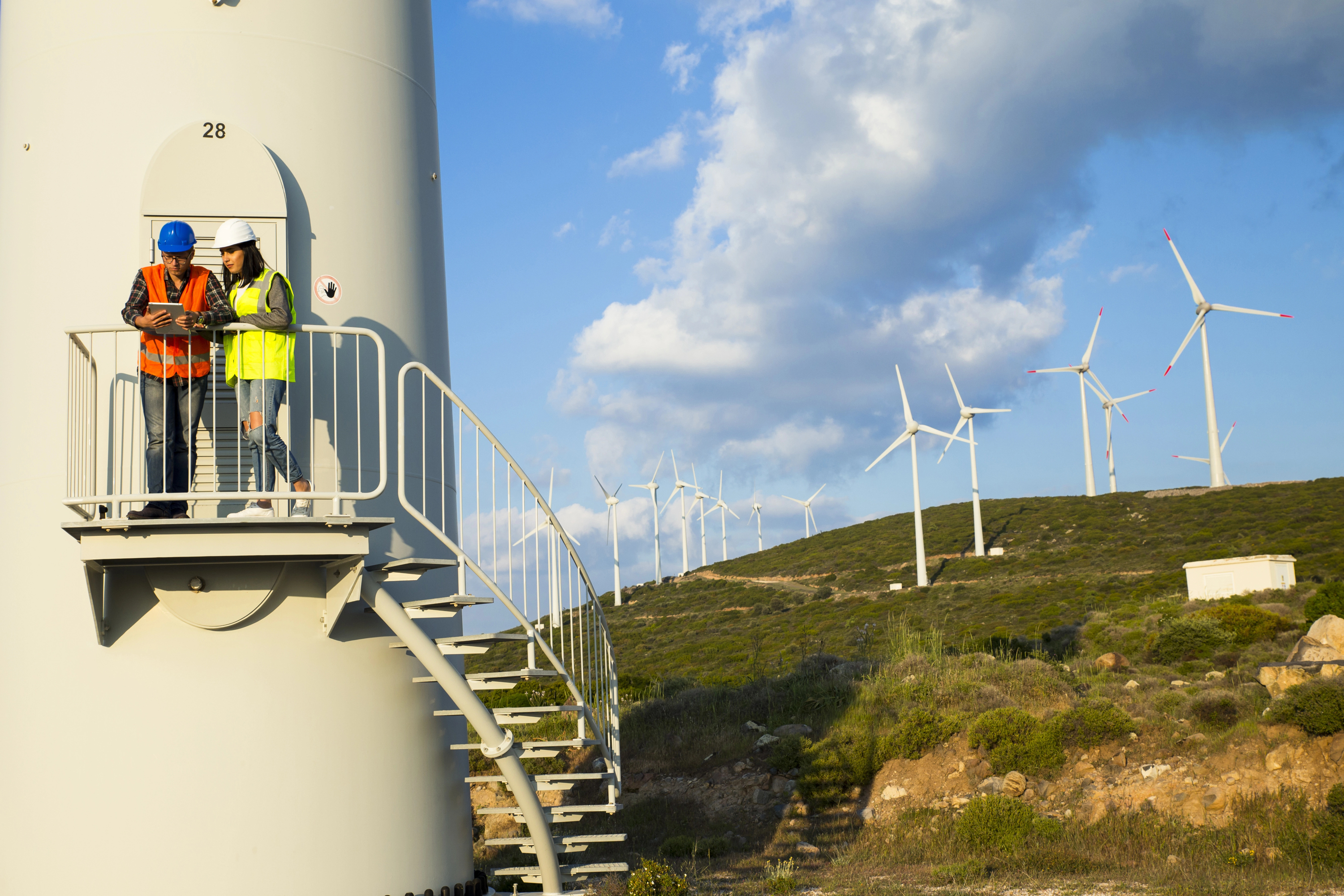
Yet across the wider maintenance industry, unplanned downtime has barely moved. That isn’t a verdict on the technology. A sensor can tell you something has changed. Someone with experience still has to decide what it means, whether it can wait and who climbs the tower. That part of the job hasn’t been automated and, in many organizations, it hasn’t been strengthened either.

At Weather Guard Lightning Tech, we talk to asset managers, site supervisors and engineers every week. We hear the same thing repeatedly: much of the technology works, but the maintenance program built around it often doesn’t.

The tools arrived. The operations didn’t change.

The figures help explain the problem. MaintainX’s State of Industrial Maintenance 2026 surveyed more than 2,200 maintenance and operations leaders in the US and Canada. It found that 79% of teams reported unplanned downtime staying flat or rising in the previous year. In its previous survey, AI adoption stood at 44%; in 2026, it reached 58%. These are findings from maintenance across industries, not wind-specific downtime figures.

 Download full article