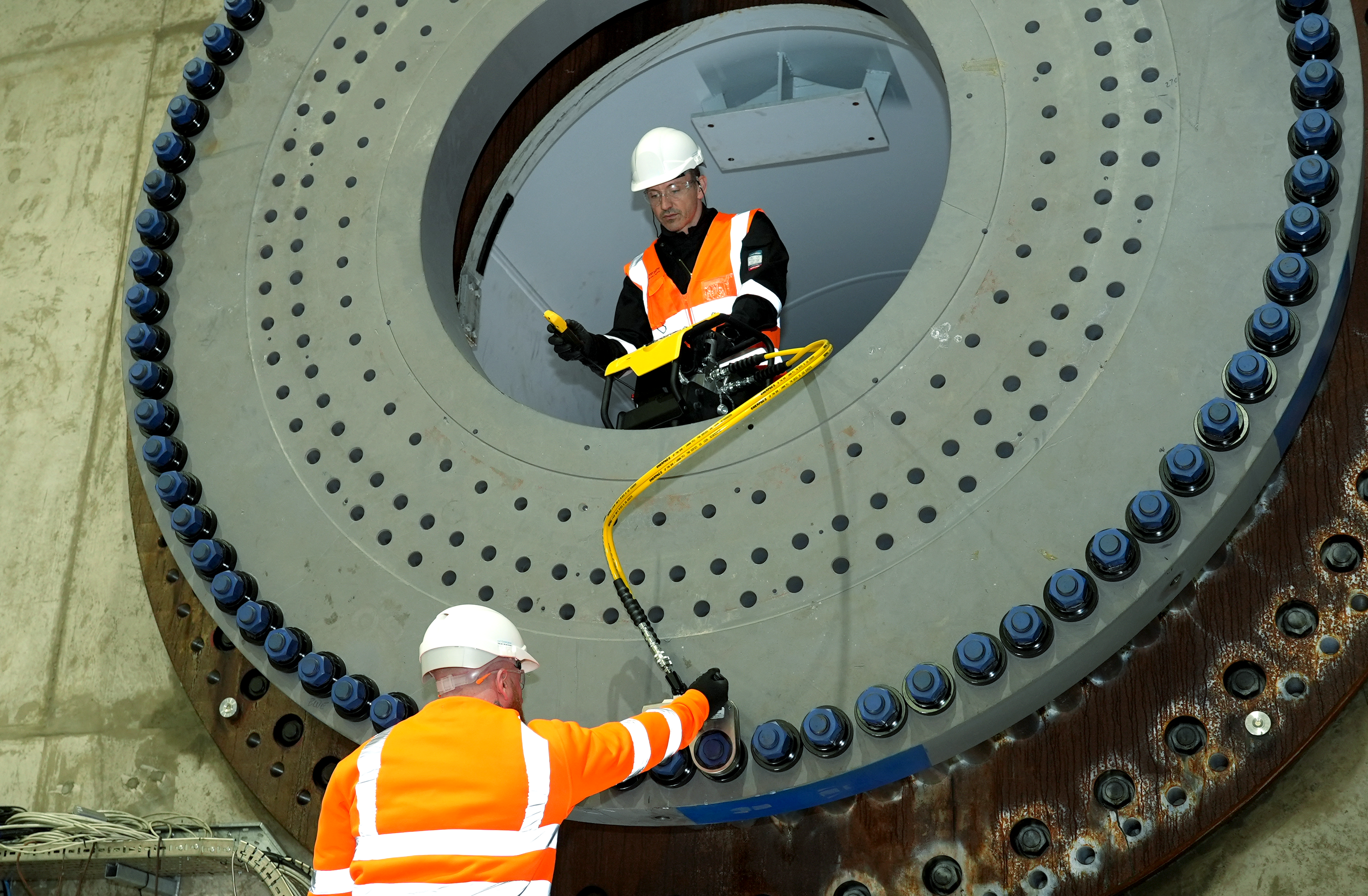
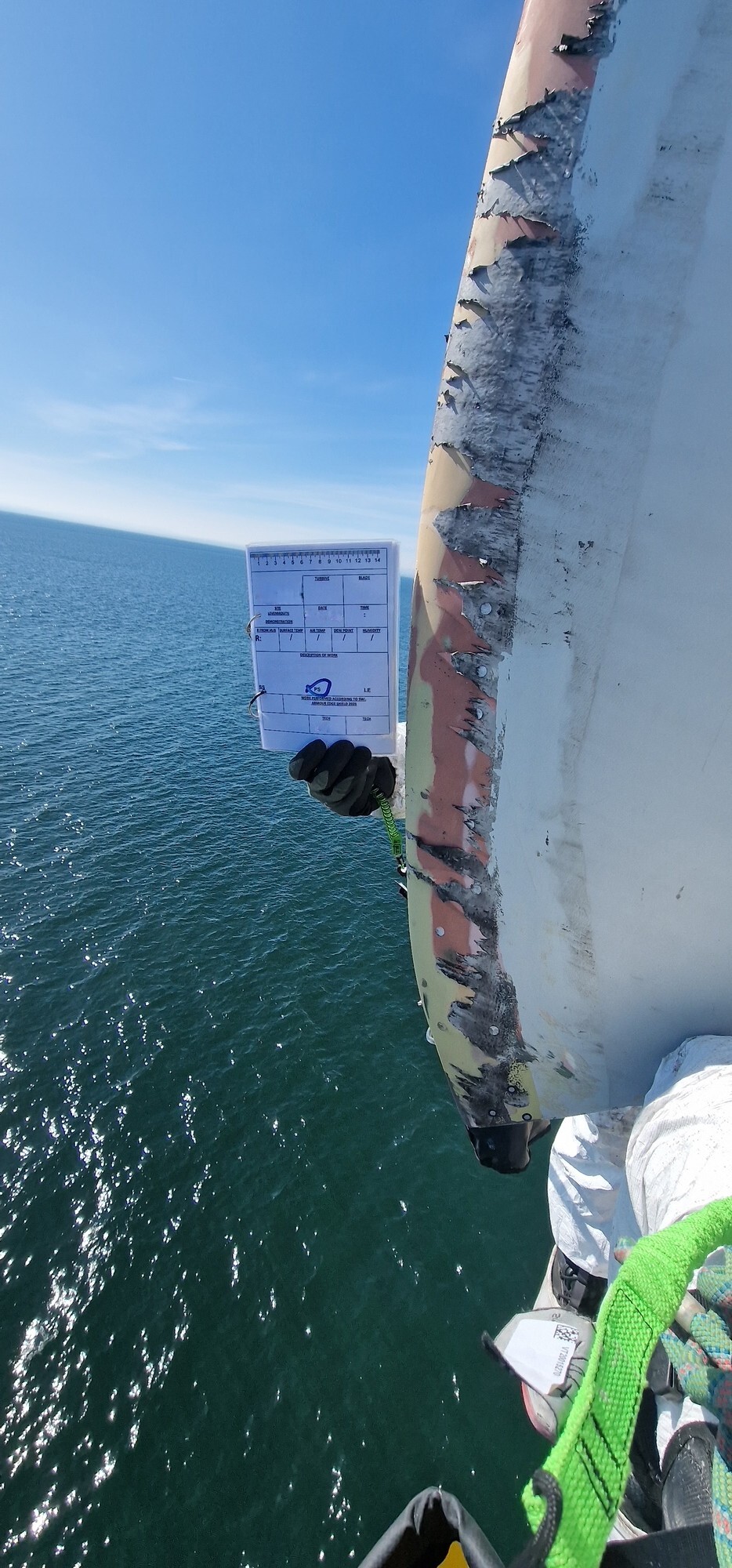
Optimising turbine maintenance continues to drive innovations in tool design and ergonomics. Stimulated by the ‘need to maintain’ rather than ‘nice to maintain’, the focus is on identifying priority maintenance areas and equipping engineers with the tools to do the job as quickly and safely as possible. Erik Roos, Director Wind Industry Products & Solutions (EMEA) at Enerpac, believes that developments in tool portability, data logging, battery powered tools and tool deployment systems are key to improving turbine maintenance efficiency.
Precise bolting lies at the heart of the successful maintenance of wind energy structures. The need for accurate torquing and tensioning is a given. Maintenance teams must also contend with height and accessibility issues, exposure to extreme weather conditions and complex turbine structures and components. Add limited weather windows and the high cost of vessels, and the efficiency of maintenance procedures begins to have significant financial implications.
The maintenance tools industry has responded to these environmental and practical challenges. Overcoming height and accessibility issues has led to torque wrench designs that improve safety, versatility and ease of use.
Lightweight aluminium designs can reduce tool weight, while an enclosed square drive helps protect technicians’ hands from moving parts. A compact design and an optimised weight-to-output ratio can also help reduce operator fatigue.
Turbine maintenance involves an array of special tools, depending on the turbine type and maintenance and repair requirements. Technicians rely on torque wrenches, bolt tensioners, cylinders and hydraulic pumps.
Download full article