Exclusive Articles

Battery storage: from standby asset to operational backbone


Published in: Solar, Exclusive Articles, PES Spotlight
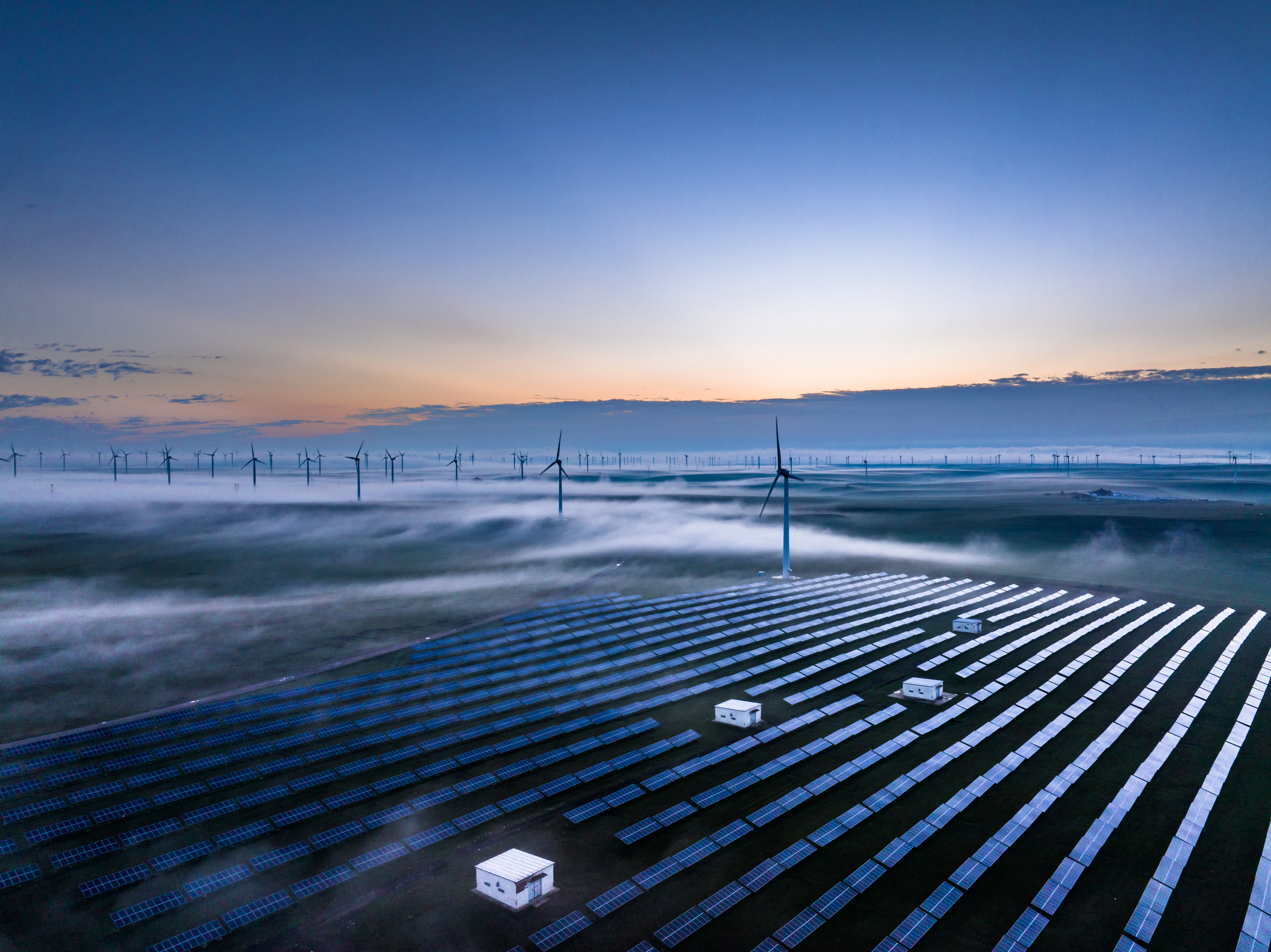

Battery storage: from standby asset to operational backbone image

Europe’s AI boom is reshaping energy demand and exposing the limits of traditional power infrastructure. In this new landscape, battery energy storage systems (BESS) are evolving from standby assets into strategic tools for grid stability, renewable integration and operational resilience.

Europe is entering a decisive decade in which two forces are colliding: the push to electrify and decarbonize industry and the explosive growth of AI data centers. Digital infrastructure has become a strategic asset, but it is also placing one of the most concentrated new loads on European grids in a generation.

The question facing the continent is no longer whether it can build enough computer capacity, but whether it can power that capacity reliably, affordably and with a shrinking carbon footprint.

This is where battery energy storage systems (BESS) move from the wings to center stage. Not as ‘backup power’ in the traditional sense, but as an active, revenue-capable layer of energy infrastructure: stabilizing supply, absorbing renewable generation and giving operators meaningful control over costs and emissions.

As the European Commission raises the bar on data center transparency and energy performance reporting, storage is no longer a hedge. It is becoming a competitive requirement.1

 Download full article