Wind energy is moving from bespoke project delivery towards more repeatable industrial processes. With larger turbines and multi-gigawatt project pipelines, developers and contractors are under pressure to complete projects faster while managing cost, safety and operational risk.
Safe Lifting Europe argues that lifting strategy is becoming an important part of this transition. Standardised processes, modular equipment and circular rental models can provide greater predictability while retaining the flexibility needed for different onshore and offshore projects.
From bespoke engineering to repeatability
Earlier wind projects often required individually engineered solutions because turbine configurations, foundations, locations and logistics varied considerably.
As project sizes increase, repeating this process for every development can introduce additional cost, engineering time and uncertainty. The industry is therefore moving towards standardised turbine platforms, installation methods and logistics.
For lifting operations, Safe Lifting Europe identifies three priorities:
- Predictability through proven and certified systems
- Efficiency through faster installation and deployment
- Adaptability without relying on completely bespoke solutions
These requirements become particularly important offshore, where weather windows and high vessel day rates increase the consequences of delays.
Modularity provides flexibility
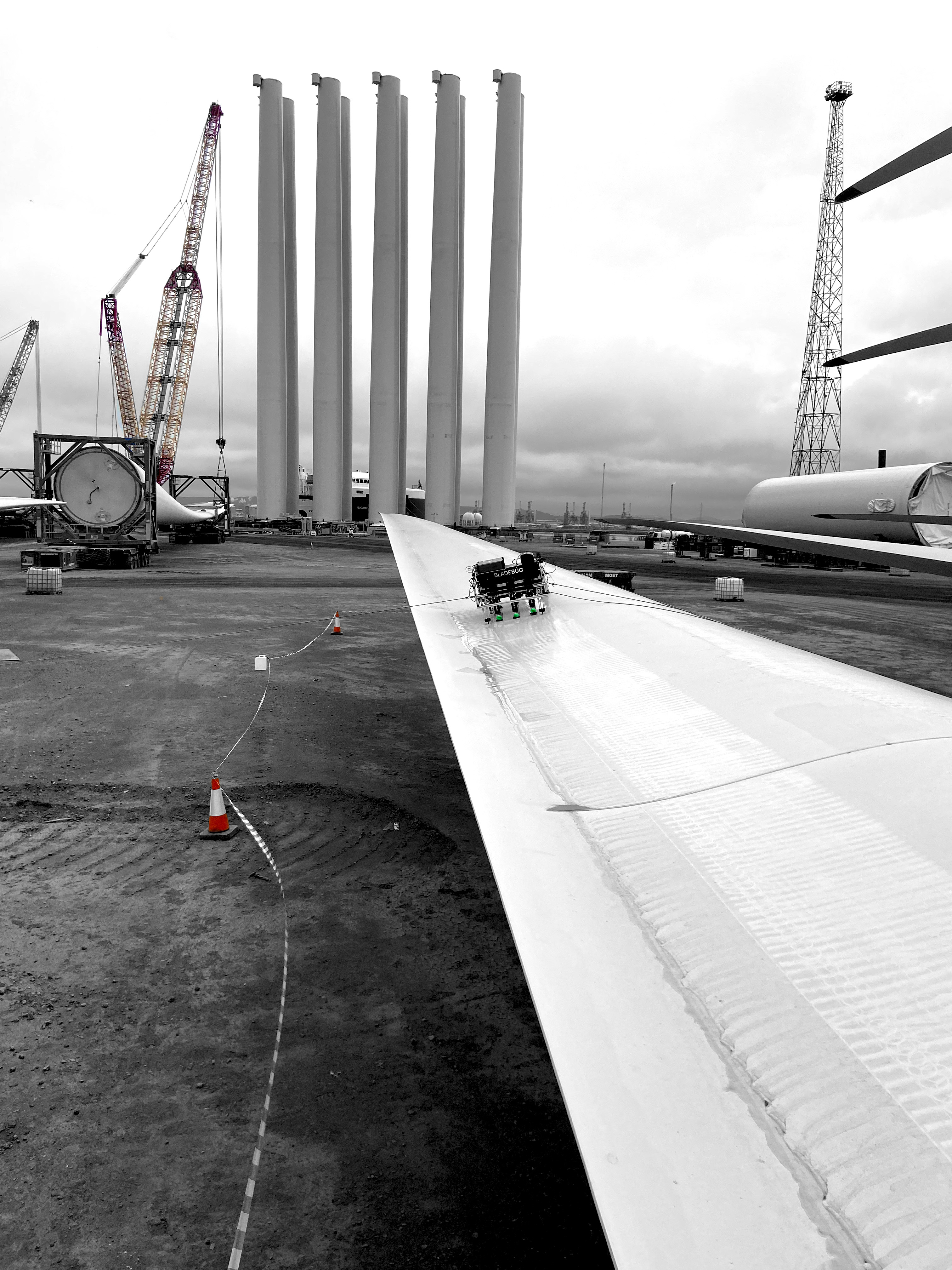
Modern turbines include nacelles weighing hundreds of tonnes and blades exceeding 100 m. Lifting and positioning these components is therefore a critical stage of project execution.
Modular spreader beams, lifting frames and rigging configurations allow equipment to be assembled from standardised components rather than designing a new system for every project.
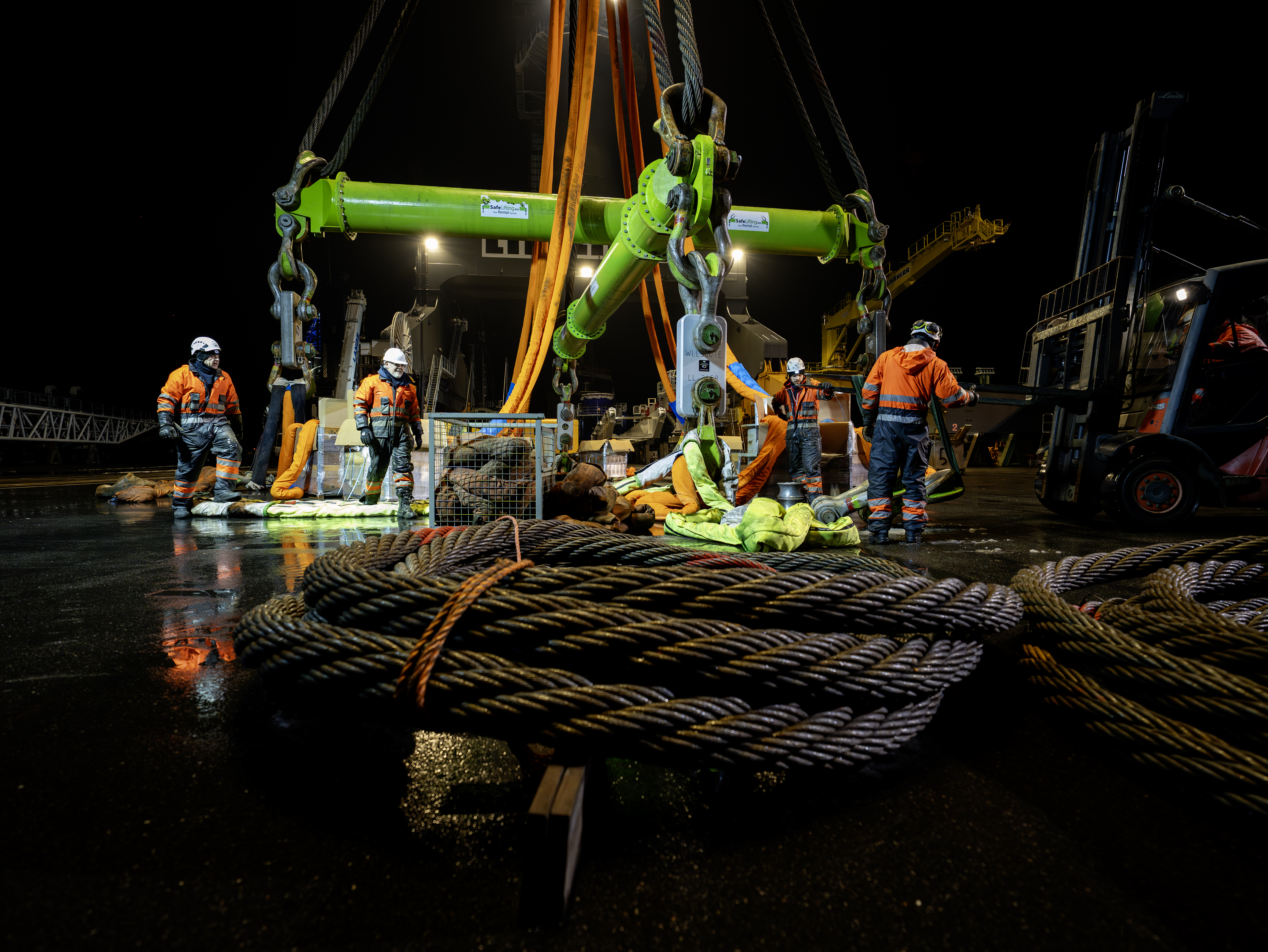
Heavy offshore construction highlights the size and complexity involved in lifting operations, including the use of large modular spreader arrangements.
Safe Lifting Europe says modularity can reduce engineering lead times through pre-validated configurations, shorten mobilisation and support consistent safety practices across multiple projects.
Logistics must work as one system
Lifting cannot be considered separately from the wider project schedule.
Manufacturing, transport, port operations and offshore installation must be closely coordinated. If appropriate lifting equipment is unavailable when required, even a relatively small disruption can affect vessel schedules and create significant additional costs.
This is changing the role of lifting suppliers. Rather than simply providing equipment, they increasingly need to consider availability, logistics and integration with the wider execution strategy.
Early involvement of specialist lifting partners can also allow lifting requirements to be considered during project design rather than addressed later during execution.
A circular approach to equipment
Safe Lifting Europe also argues that the traditional model of purchasing lifting equipment for individual projects can result in high capital expenditure and low equipment utilisation.
Rental provides an alternative. Reusable lifting systems can move between projects, allowing contractors to adjust equipment capacity as requirements change.
Potential advantages include:
- Reduced capital investment
- Greater access to certified equipment
- Higher equipment utilisation
- Flexibility between project phases
- Reuse across different applications
Combined with modularity, this allows standardised equipment to be applied to varying project requirements without removing operational flexibility.
Preparing for larger turbines
Safety remains central as lifting operations become more demanding. Certified equipment, transparent inspection regimes, training and continuous monitoring are essential alongside efforts to improve efficiency.
Offshore construction depends on large lifting systems, reinforcing why planning, equipment suitability and coordination are increasingly important.
Future turbines, deeper-water developments and floating wind will place further demands on lifting capacity, precision and adaptability. Digital planning and monitoring tools are also expected to become more closely integrated with lifting operations.
Safe Lifting Europe’s central argument is that lifting is no longer simply a supporting activity. It is becoming an integral link between project design, logistics and execution.
By combining standardisation, modular equipment and circular utilisation models, wind projects could achieve greater predictability while retaining the flexibility required for increasingly complex installations.
For the complete Industrial Insight feature from Safe Lifting Europe on modular lifting systems, standardised execution and circular equipment models, visit PES Wind: https://pes.eu.com/exclusive-articles/scaling-wind-energy-through-industrialised-execution