As the solar industry matures, operators are shifting focus from rapid expansion to ensuring efficiency, reliability, and long-term performance. Central to this evolution is a factor too often underestimated: the weather. In today’s operational landscape, high-resolution, site-specific meteorological data is becoming indispensable for maintaining optimal photovoltaic (PV) system performance.
Why Weather Monitoring Matters
Environmental conditions directly influence solar energy generation and system health. Weather is not just a background variable—it is a primary driver of both output and operational decision-making.
Key environmental variables affecting solar operations include:
- Solar irradiance (global horizontal and plane of array)
- Ambient and panel temperatures
- Wind speed and direction
- Relative humidity and barometric pressure
- Rainfall and precipitation patterns
- Soiling index (dust, pollen, pollution)
The Maturation of Solar and Rise of O&M
- As solar PV capacity grows globally, operations and maintenance (O&M) complexity also increases.
- Even minor annual efficiency losses from unmonitored conditions can impact long-term profitability.
- Real-time, granular meteorological data enables operators to shift from reactive to predictive maintenance.
Beyond Irradiance: A New Era of Solar Meteorology
Historically, solar monitoring focused largely on irradiance. Today’s advanced systems recognize the importance of integrating multiple data streams for comprehensive environmental visibility.
Examples of impact:
- Temperature: Every 1°C above 25°C can reduce panel efficiency by 0.3–0.5%.
- Wind: Can aid cooling but also contribute to mechanical stress and soiling.
- Precipitation: May clean panels or worsen soiling when combined with dust or high humidity.
Modern PV monitoring now tracks a full suite of variables to better inform forecasting, diagnostics, and performance optimization.
Localized Monitoring in a Changing Climate
- Climate variability is increasing the limitations of regional forecasts and historical data.
- On-site sensors provide real-time, location-specific insights, essential for sites with microclimate variability.
- Research shows that relying solely on general weather data can lead to significant energy yield estimation errors.
“You can’t control the weather, but you can control how well you understand it,” says Dr. Jamie McClellan, environmental engineer.
Integrating Weather Data into Smart Operations
Advanced PV plants now incorporate meteorological data into operational control systems for intelligent, responsive performance.
Applications include:
- Smart inverter responses to temperature or irradiance thresholds
- Automated tracker adjustments based on real-time wind or solar data
- Maintenance planning informed by weather-triggered alerts
- Battery storage and dispatch optimization
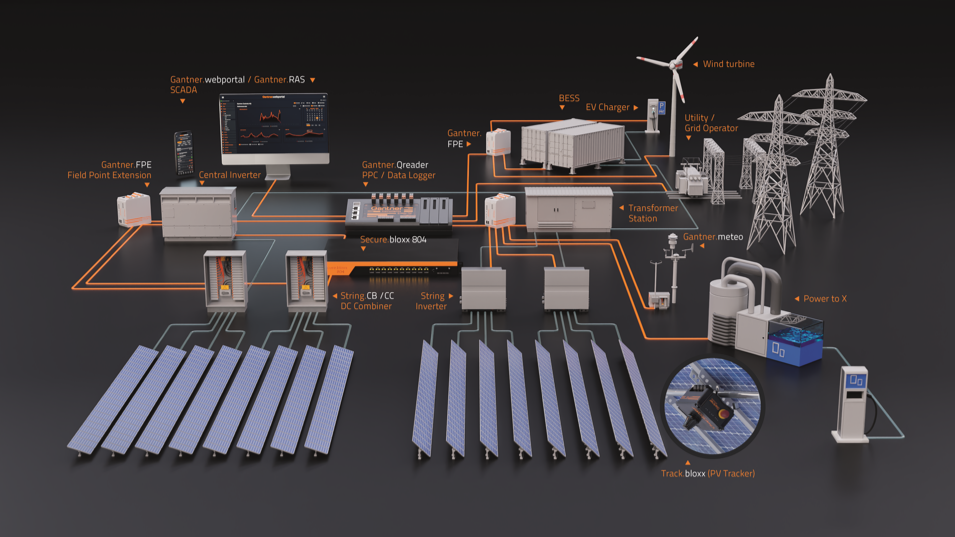
These capabilities depend on accurate data from on-site weather stations integrated via seamless communication protocols with energy management platforms.
Soiling Detection: A Cost-Effective Strategy
Soiling—accumulated debris on solar panels—can reduce energy yield by 20% or more in some regions.
Data-driven soiling management includes:
- Monitoring the soiling ratio between clean and soiled irradiance sensors
- Triggering alerts when cleaning thresholds are reached
- Minimizing unnecessary cleaning, labor, and water use
This targeted maintenance strategy protects long-term system output and reduces operational costs.
From Measurement to Management
Meteorological data is critical across the entire PV lifecycle:
- Feasibility and system design
- Energy yield forecasting and modeling
- Financial assessments
- Component selection
- Preventative maintenance planning
- Grid compliance and load forecasting
As regulatory and financial scrutiny increases, high-performing operators will distinguish themselves by their ability to capture and act on accurate environmental intelligence.
Looking Ahead: Enabling Long-Term Resilience
In the next phase of solar development, success will be measured not only by megawatts installed but also by:
- System resilience
- Predictability of output
- Operational efficiency
Technologies like the PVmet line of weather stations are designed to meet these emerging demands. With real-time, high-resolution meteorological insights, operators can maximize uptime, extend equipment life, and improve return on investment.
Weather stations are no longer accessories—they are core infrastructure. They don’t just report the weather; they help you decide what to do next.
Learn more:
🔗 www.PVmet.com
🔗 rainwise.com/solar-monitoring-systems







%20Bachmann-1.jpg)