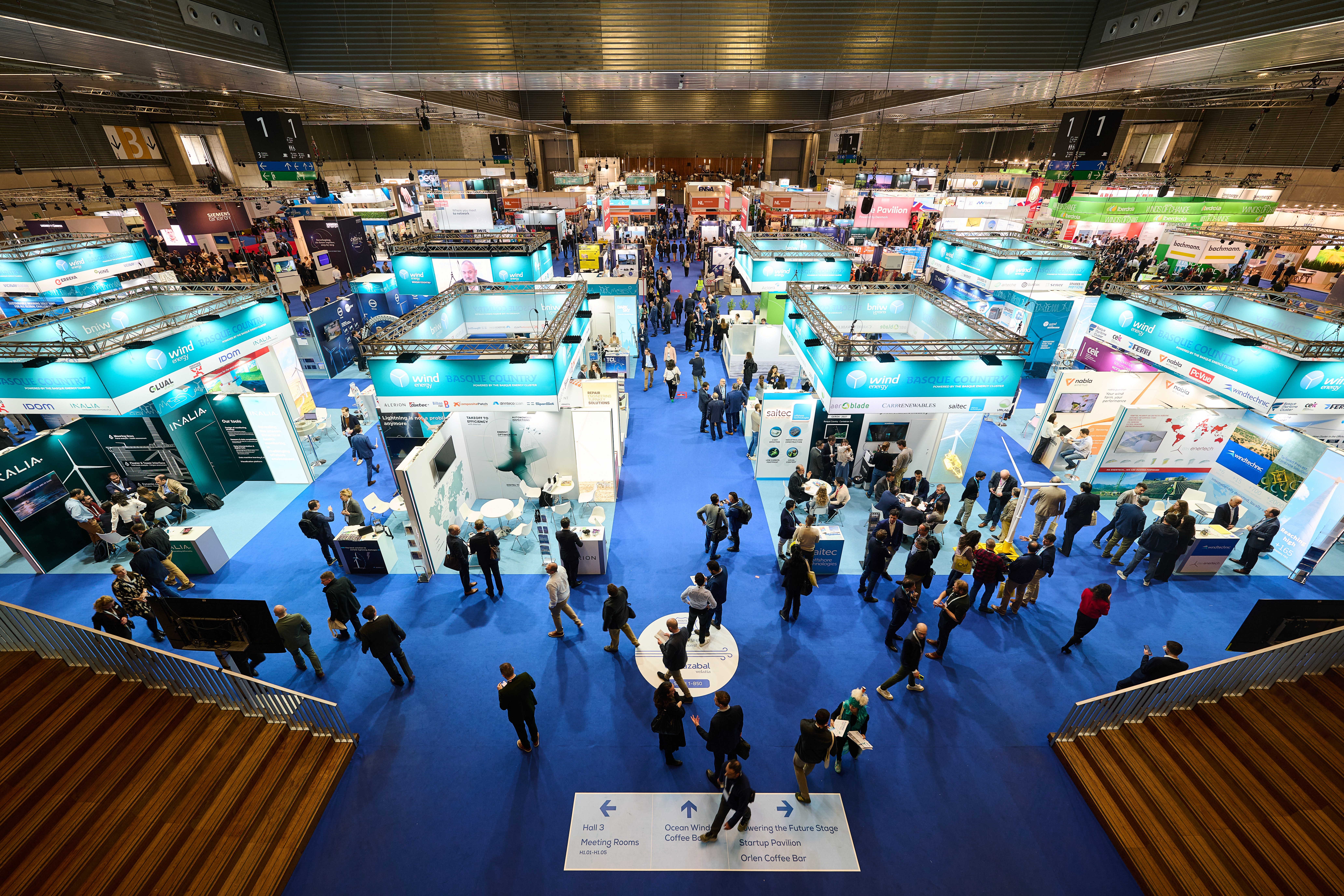
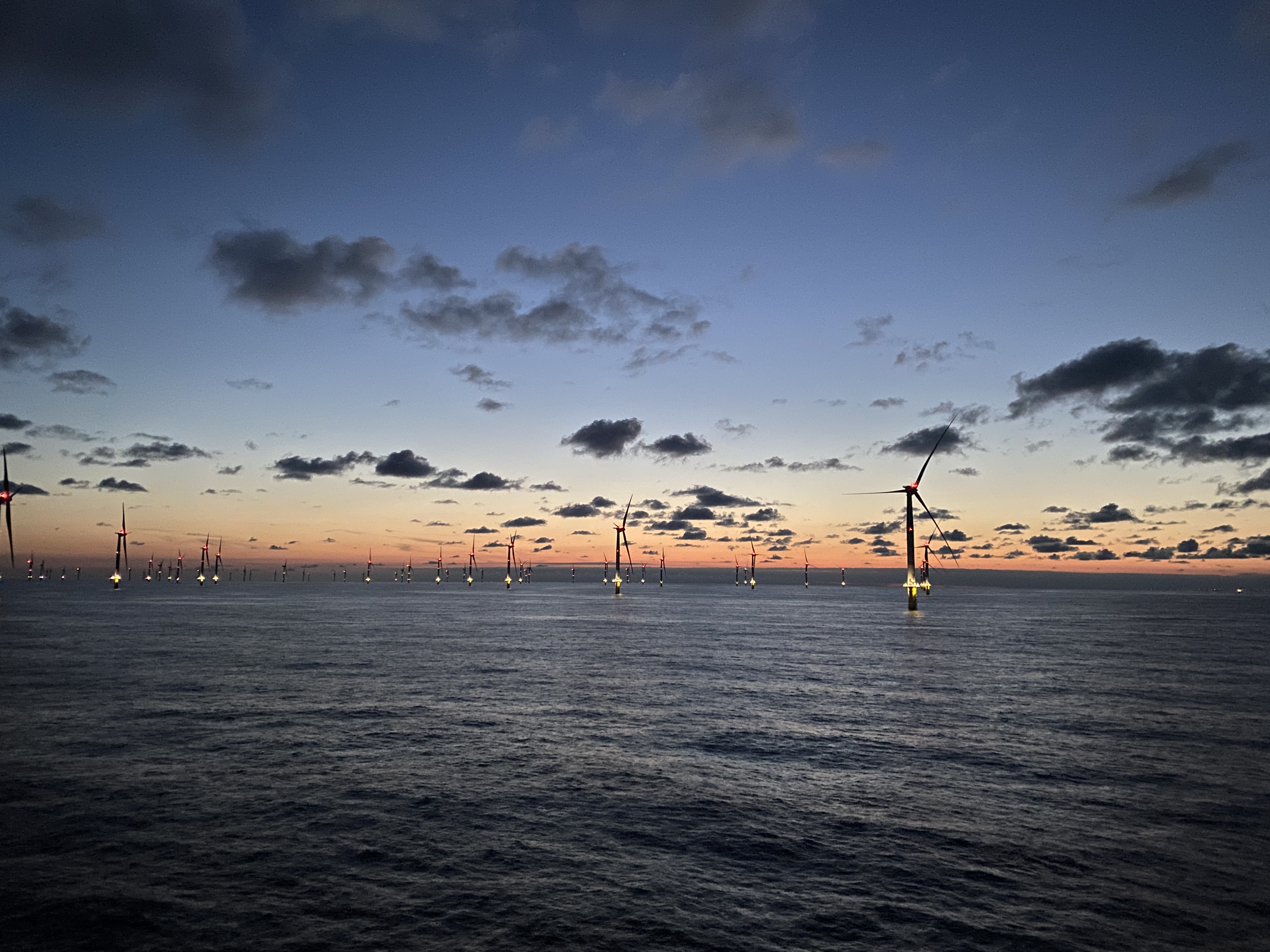
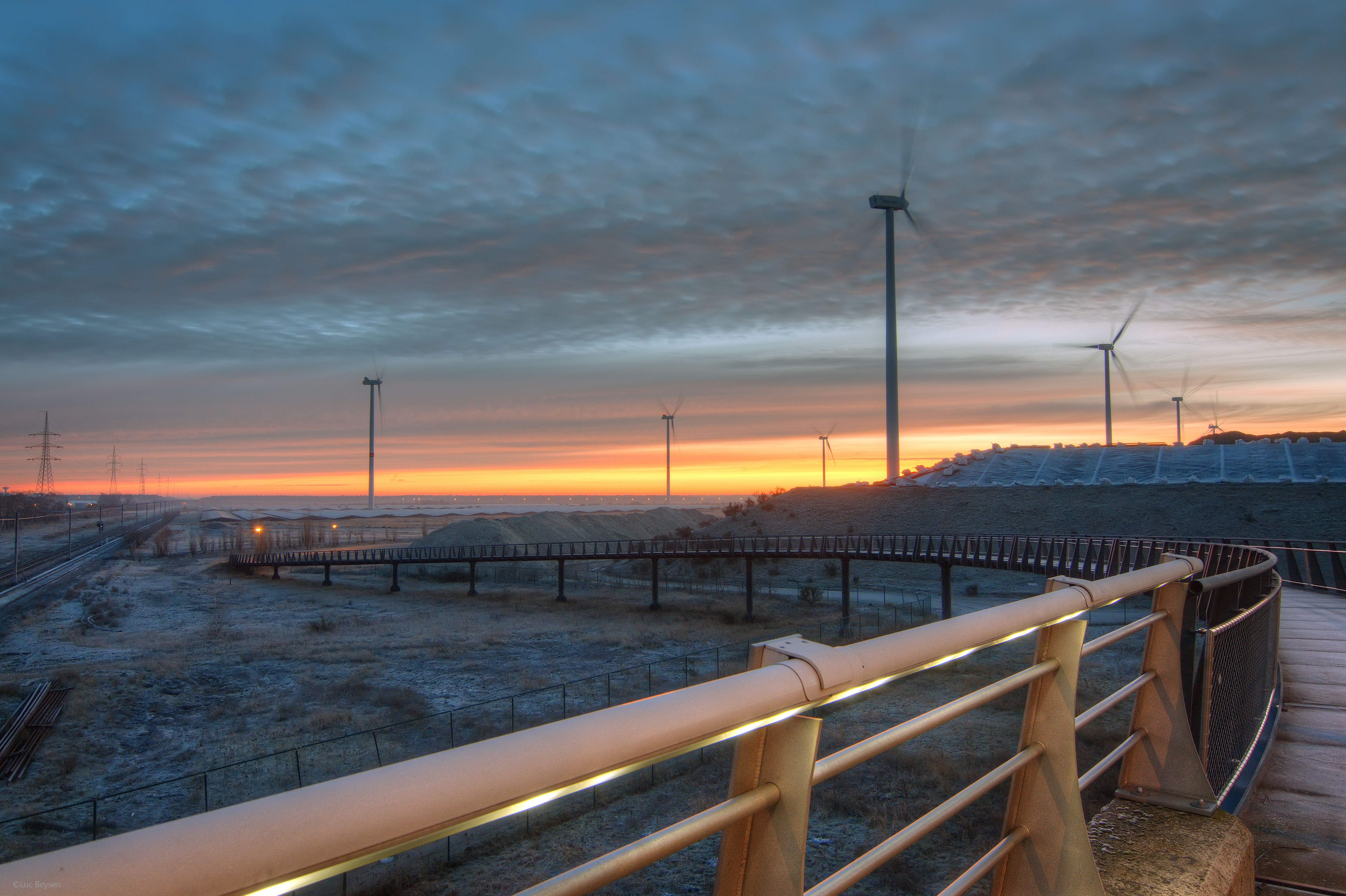
Europe's wind energy sector has entered a decisive era of delivery. In 2025, the continent installed 19.1 GW of new wind capacity, bringing its cumulative grid-connected total to 304 GW. While onshore projects continue to serve as the immediate volume driver, accounting for roughly 90% of these new installations, the long-term transformation of the energy grid relies heavily on unlocking deep-water environments via emerging floating offshore wind technologies.
However, translating high-level political ambitions into operational assets requires moving past simple capacity additions. Achieving Europe’s 2030 targets demands that policymakers, transmission operators and developers aggressively tackle the structural, regulatory and supply chain bottlenecks that threaten project execution.
Overcoming grid bottlenecks and permitting backlogs
The primary constraints slowing down wind deployment across Europe are no longer technological, but structural and regulatory. The pace of power grid expansion has lagged significantly behind the fast ambition of wind developments, creating a severe network capacity deficit.
- The connection queue stagnation: A massive backlog of approved low-carbon generation projects remains caught in lengthy planning and grid-connection queues, delaying deployment timelines and pushing connection dates further out.
- Transmission constraints and curtailment: Without rapid, large-scale reinforcements to transport power from remote offshore generation clusters to main industrial demand centres, grids are increasingly forced into curtailment. This infrastructure lag directly results in wasted clean energy and higher structural costs for consumers.
- The need for clear market rules: Accelerating grid modernisation and digitisation demands updated regulatory frameworks that reward long-term system value rather than incremental, project-by-project reinforcements. Operators require predictable permitting pathways and streamlined consenting to make substantial anticipatory investments viable.
Securing supply chain resilience amid geopolitical shocks
Geopolitical volatility and regional disruptions continue to act as systemic shocks to globalized logistics networks, introducing freight risks and price instability. For the wind sector, this creates an operational paradox: while the electricity generated is entirely renewable, the hardware supply chain remains exposed to globalized manufacturing inputs and transport networks.
To safeguard the continental build-out against sudden supply chain shocks, technology providers and operators are shifting toward strategic multi-year roadmaps and regionalized manufacturing frameworks. Moving away from isolated procurement cycles gives manufacturers the confidence to invest heavily in factory production capacity and advanced standardisation.
Harmonising equipment types and coordinating multi-gigawatt orders across the supply chain reduces design complexity, increases flexibility between distinct projects and directly mitigates delivery risks.
Navigating the technical demands of deep-sea floating arrays
As offshore wind projects scale up to multi-gigawatt levels, connecting larger volumes of power through converter-based offshore grids introduces highly complex engineering challenges. Operating at these dimensions requires an entirely new approach to marine installation and grid stabilisation:
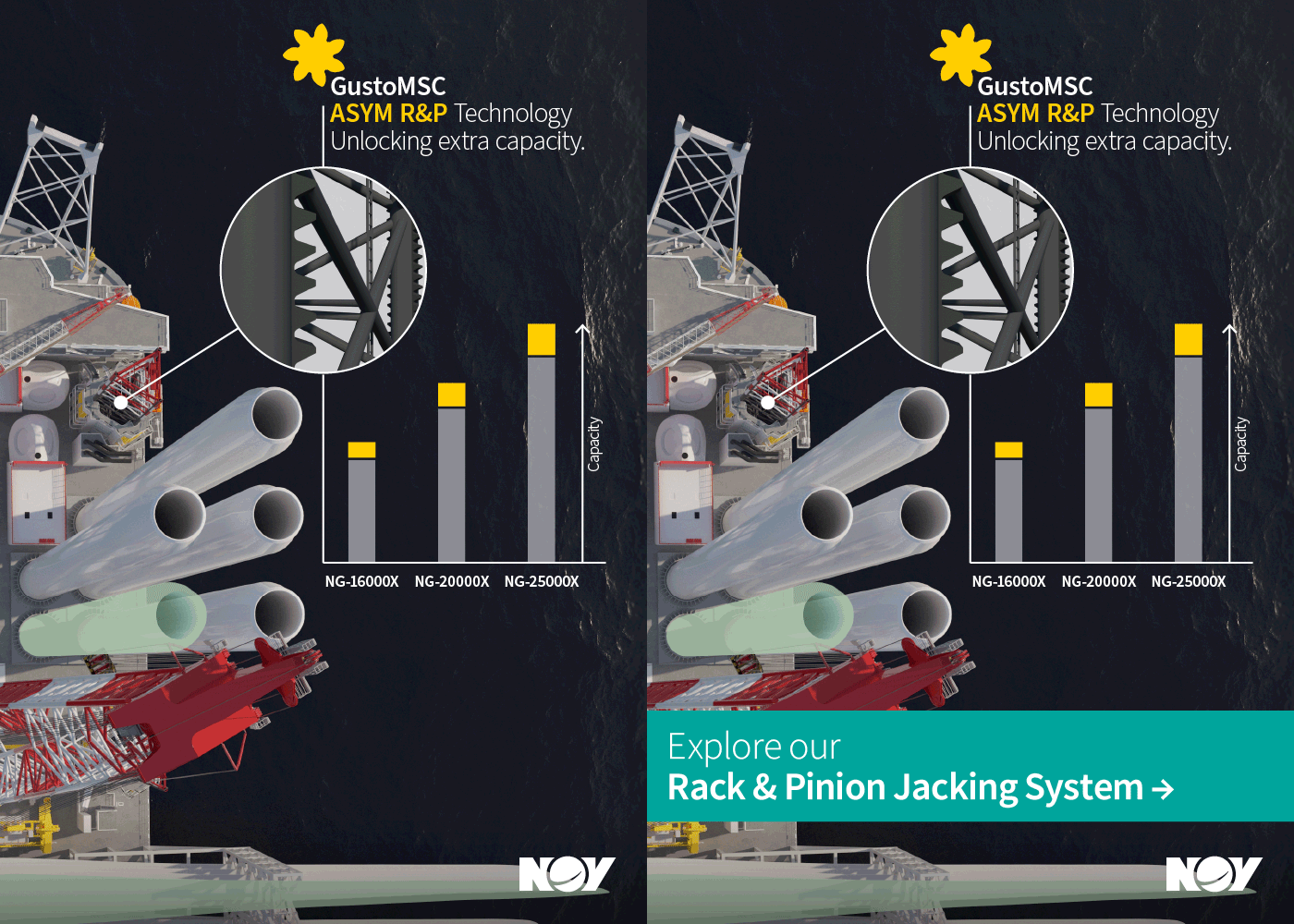
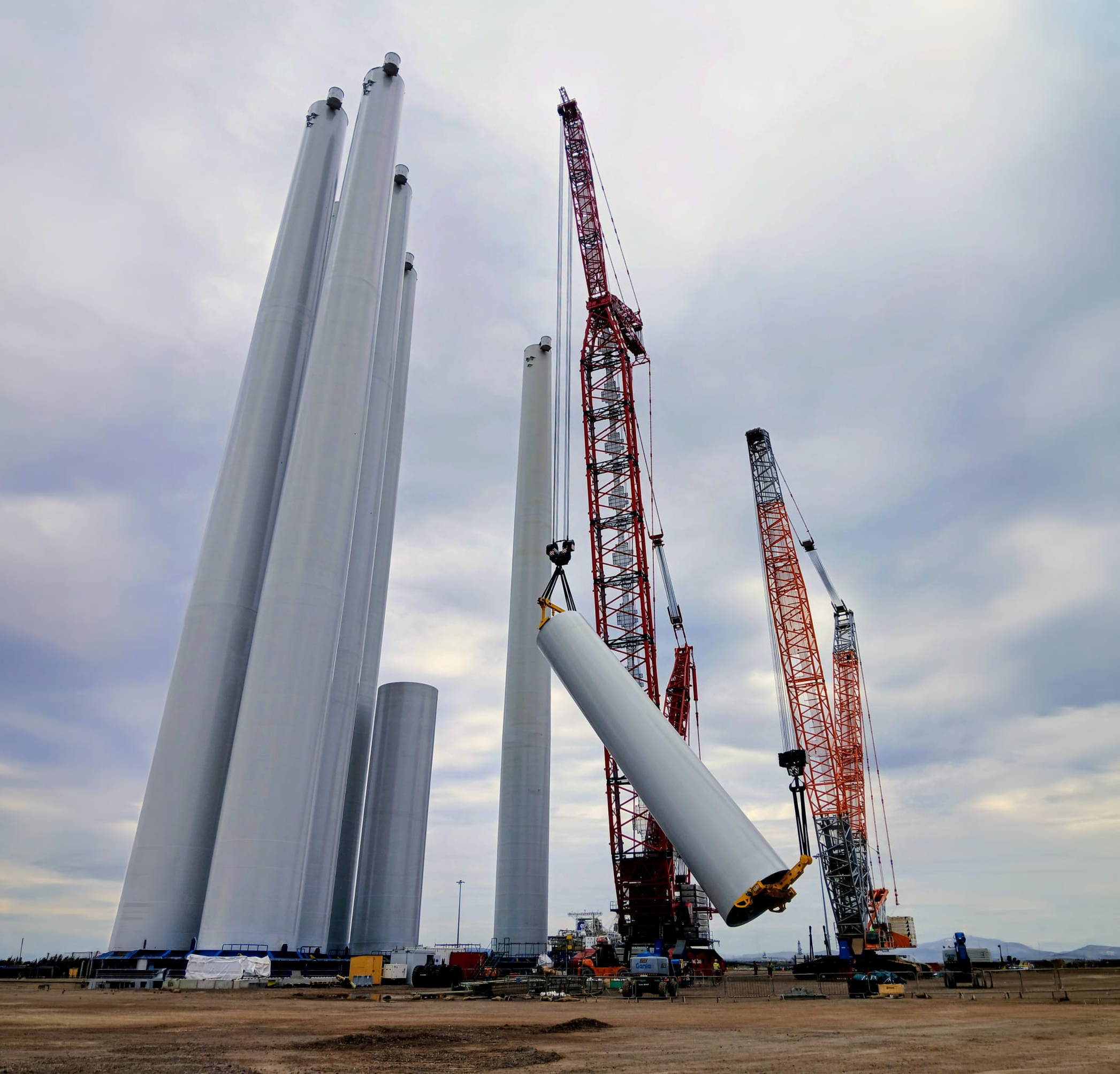
- Managing coupled dynamic loads: Lowering massive foundation structures, such as monopiles exceeding 10 metres in diameter, generates intense hydrodynamic forces through the splash zone. These active wave forces interact dynamically with flexible jack-up vessels, requiring integrated, coupled system modeling to ensure structural safety during construction.
- Injecting synthetic grid stability: As traditional thermal plants are decommissioned, power systems lose natural rotational inertia. Grids must rapidly adopt advanced grid-forming inverters, utility-scale battery storage and enhanced STATCOMs to inject synthetic inertia, control short-circuit strength and maintain sub-second frequency response.
- Strategic maritime infrastructure: Ports are evolving into vital industrial nodes. Delivering floating wind arrays requires extensive port electrification, cold ironing capabilities and dedicated heavy-lift logistics hubs to support continuous offshore deployment and hydrogen storage integration.
Ultimately, transitioning Europe's electricity mix toward absolute sustainability relies on matching technical breakthroughs with deep financial and regulatory risk mitigation. Succeeding at a continental scale demands early, cross-sector collaboration between developers, transmission operators and regulators to turn high-level capacity targets into a resilient, secure energy reality.
How is your team aligning its project pipelines with emerging regional manufacturing frameworks to de-risk against connection delays and supply chain shocks? Share your thoughts in the comments below.
Looking to explore Europe's definitive wind energy roadmaps? To connect with leading operators, evaluate advanced grid-forming technologies, and track upcoming leasing rounds, visit the official WindEurope platform: https://pes.eu.com/exclusive-articles/wind-energy-the-power-of-security-the-power-of-europe