Accurate sea state information is crucial for the success of offshore wind operations. From installation to long-term maintenance, understanding wave conditions helps optimize safety, efficiency, and decision-making. Traditionally, wave buoys have been the primary tool for measuring sea states. However, buoys are vulnerable to harsh marine conditions, requiring frequent maintenance and posing operational challenges.
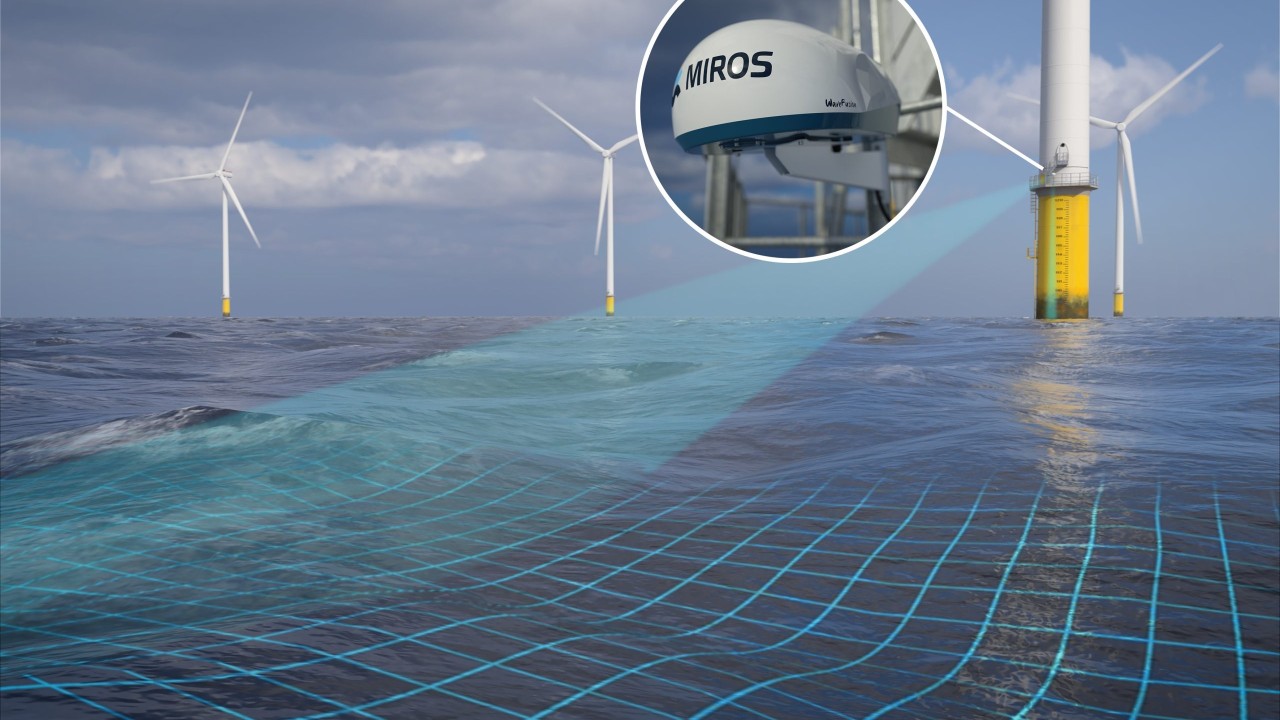
A groundbreaking alternative has emerged: dry-mounted wave radars. These cutting-edge solutions provide real-time, accurate wave data without the need for in-water deployment, reducing operational risks and improving long-term sustainability.
Enhanced Safety and Reliability
Offshore environments are inherently unpredictable and extreme, making reliability a key factor in selecting monitoring solutions. Unlike wave buoys, dry-mounted radars are installed on fixed structures, shielding them from rough seas and reducing exposure to wear and tear. This offers several advantages:
- Lower Maintenance Needs: With no in-water components, maintenance intervals are significantly extended, reducing downtime and costs.
- Remote Monitoring: Operators can access real-time wave data without deploying personnel offshore, improving safety and minimizing risks associated with manual inspections.
- Increased Longevity: Dry-mounted radars boast a longer operational lifespan, making them a more cost-effective choice over time.
Operational Efficiency
Efficiency is at the heart of every offshore wind project, and dry-mounted radars streamline installation and operational processes by:
- Eliminating the Need for Mooring Systems – Unlike buoys, these radars don’t require complex mooring or anchoring, simplifying deployment.
- Reducing Installation and Maintenance Costs – The absence of subsea cables and moorings translates to lower hardware, labor, and maintenance expenses over a project's lifecycle.
By integrating dry-mounted radars, offshore wind farms can optimize their operations, ensuring that data collection is both cost-effective and hassle-free.
Real-Time Data and Improved Decision-Making
Real-time wave data is essential for ensuring safe and efficient offshore wind operations. Dry-mounted radars provide continuous, high-accuracy readings that help teams:
- Optimize installation and maintenance schedules by predicting calm weather windows.
- Enhance safety by providing instant updates on changing sea conditions.
- Support dynamic decision-making with IoT-enabled connectivity, delivering up-to-the-minute insights directly to stakeholders.
With instant access to accurate wave data, operators can reduce downtime, improve response times, and enhance overall efficiency in offshore wind projects.
Environmental Benefits
Sustainability is a growing priority in offshore wind development. Dry-mounted wave radars offer clear environmental advantages over traditional monitoring systems:
- Minimal Marine Disruption – Unlike buoys, these radars don’t require seabed anchors, eliminating disturbances to fragile marine ecosystems.
- Long-Term Sustainability – Built for durability and minimal maintenance, dry-mounted radars reduce resource consumption over time, aligning with green energy goals.
By adopting non-intrusive monitoring technologies, offshore wind projects can further reinforce their commitment to environmental responsibility.
Comprehensive Data Management
Miros’ Sea-State-as-a-Service (SSaaS) model takes real-time monitoring to the next level by integrating historical and live wave data for enhanced decision-making. This approach provides:
- A centralized data platform for managing and sharing wave insights across multiple stakeholders.
- Historical trend analysis to optimize future operational planning.
- Seamless cloud-based accessibility, ensuring that critical sea-state data is available anywhere, anytime.
With SSaaS, offshore wind developers can leverage predictive analytics, improving project efficiency and reducing operational uncertainty.
Optimal Sensor Placement with SPOT
To maximize monitoring accuracy, Miros’ Sensor Placement Optimization Tool (SPOT) determines the ideal locations for wave radars. SPOT uses:
- Historical wave data to identify optimal sensor positions.
- Bathymetric analysis to ensure full coverage of critical sea-state zones.
- Predictive modeling to enhance long-term wave monitoring accuracy.
By strategically placing dry-mounted radars, offshore wind farms can achieve superior wave data accuracy, leading to better forecasting and risk mitigation.
Switching to dry-mounted wave radars represents a significant step forward in offshore wind efficiency, safety, and sustainability. Key benefits include:
✔ Enhanced Safety & Reliability – Less exposure to harsh conditions and remote monitoring capabilities. ✔ Operational Efficiency – Simplified deployment and reduced maintenance costs. ✔ Real-Time Data Insights – IoT-enabled monitoring for better decision-making. ✔ Environmental Advantages – No seabed disturbance or mooring systems required. ✔ Comprehensive Data Management – Integration with Miros’ Sea-State-as-a-Service model for predictive analytics.
For offshore wind developers, embracing this technology is a smart move—enhancing efficiency, cost-effectiveness, and sustainability in the rapidly expanding offshore wind sector.
To learn more about Miros’ dry-mounted wave radars and Sea-State-as-a-Service model, visit Miros today. Discover how real-time sea state data can transform your offshore wind operations!
Read the full article here: https://pes.eu.com/exclusive-article/switching-to-dry-mounted-wave-radars-why-and-when/