Exclusive Articles

Pyranometer calibration explained


Published in: Solar, Digital Blog


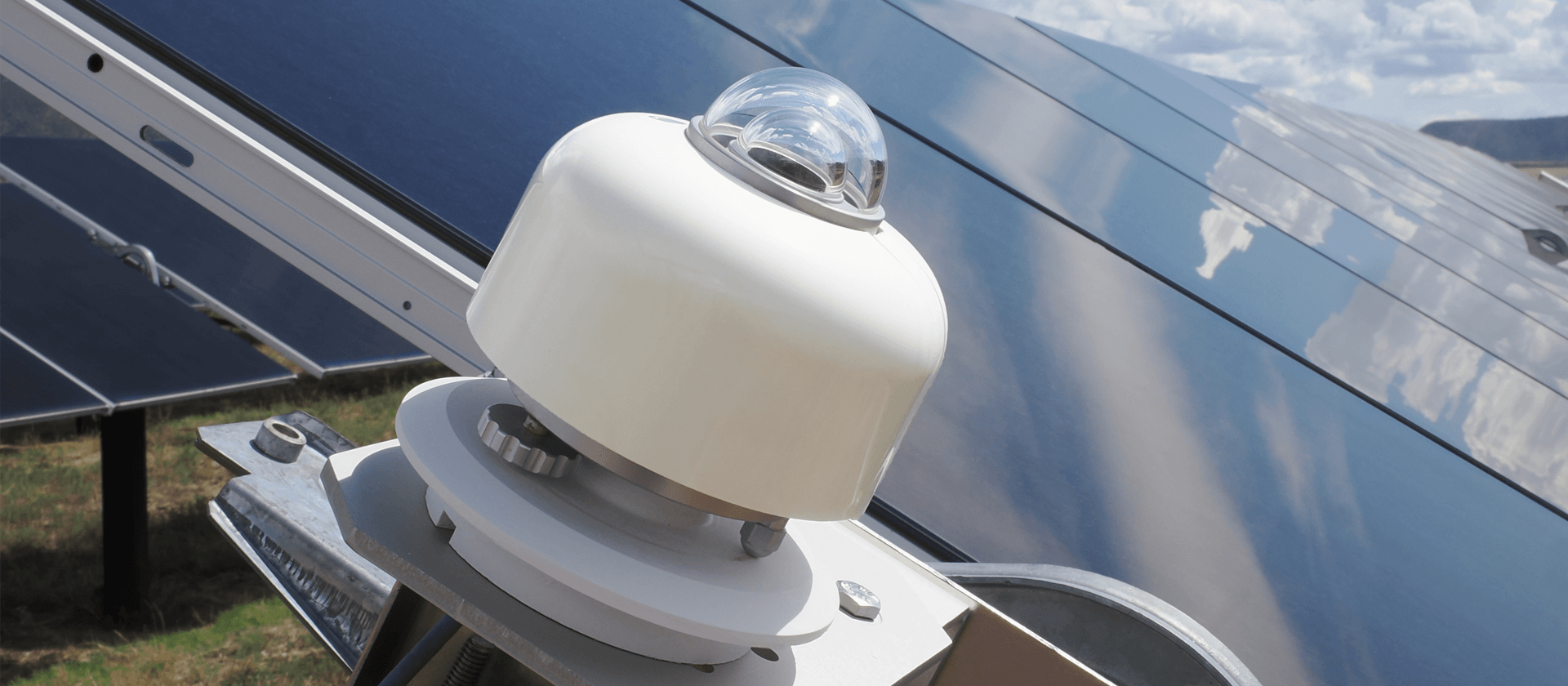
Pyranometer calibration explained image

Ensuring Accuracy in Solar Measurement: Pyranometer Calibration

Accurate solar irradiance measurements are critical for optimizing solar energy systems and understanding atmospheric conditions. EKO Instruments emphasizes the role of calibrated pyranometers in improving solar system design, monitoring performance, and supporting climate research.

Why Calibration Matters

Pyranometers, which measure solar radiation in watts per square meter (W/m²), are fundamental in both new solar site assessments and ongoing performance monitoring. Key challenges include:

  • Maintaining consistency with the World Radiometric Reference (WRR).
  • Ensuring reliable readings affected by environmental and instrumental factors.
  • Managing recurring recalibration cycles every two to five years for field reliability.

Without proper calibration, solar system outputs may be misinterpreted, potentially leading to reduced efficiency or undetected faults.

Calibration Frameworks & International Standards

EKO Instruments follows ISO 9847:2023 standards for pyranometer calibration, comparing field sensors against certified reference units. The broader calibration ecosystem includes:

  • The WRR maintained by the World Radiation Center (WRC) in Switzerland.
  • ISO/IEC 17025, which assures laboratory competence and testing consistency.

These frameworks provide global traceability and uphold measurement integrity across solar research and commercial applications.

Calibration Techniques & Challenges

Calibration is performed indoors using solar simulators or outdoors under clear skies. It involves:

  • Matching test pyranometers to a trusted reference.
  • Accounting for measurement uncertainties, including temperature effects, sensor angles, and irradiance stability.
  • Deriving a calibration factor without necessarily adjusting for changes within uncertainty intervals.

These steps ensure that pyranometers continue to produce dependable data in real-world conditions.

Future of Calibration

Recalibration remains vital despite sensor advancements. EKO is developing sustainable on-site verification techniques to supplement lab recalibrations. The future focus includes:

  • Improved field monitoring for sensor stability.
  • Practical recalibration alternatives to simplify long-term data validation.
  • Continued innovation in solar irradiance accuracy tools.

Through stringent standards, global collaboration, and technological innovation, pyranometer calibration underpins the reliability of solar energy systems and atmospheric science.

Read the full article here: https://pes.eu.com/exclusive-article/pyranometer-calibration-explained/