Europe already has a large wind fleet in operation. The focus now is on keeping those turbines safe and productive for as long as they remain viable to operate.
Matthieu Dessailly, founder and CEO of MDWind, believes the industry needs to think beyond new installations and give more attention to maintenance, life extension and what happens when a turbine eventually reaches the end of its working life.
MDWind has shifted its focus towards specialist services as installation activity has declined in some regions and existing wind fleets have aged.
Dessailly identifies several areas of growing importance:
- Major component replacement (MCR)
- Life extension
- Specialist repairs
- Turbine dismantling
- Component recovery and recycling
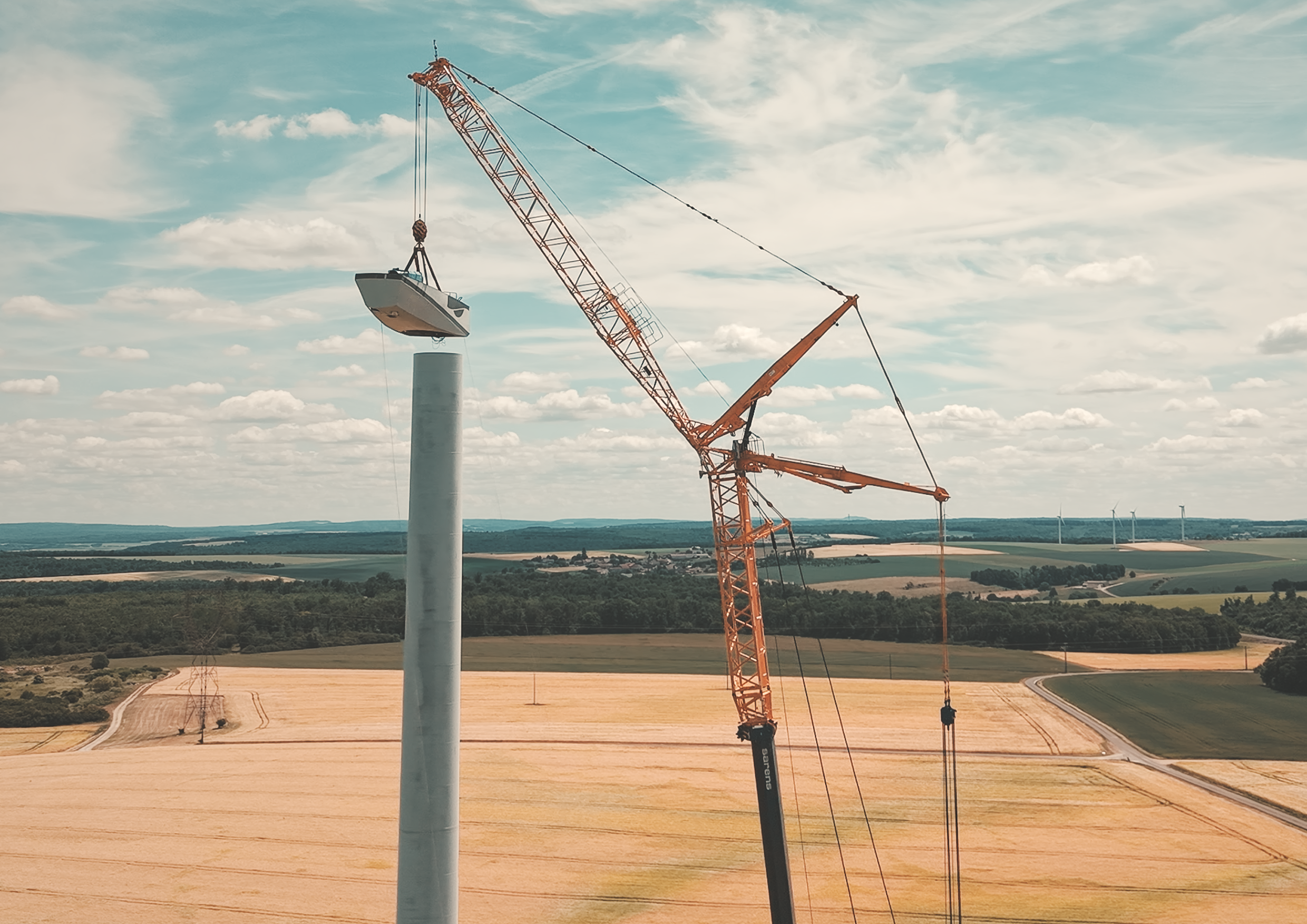
A recent example involved dismantling five Nordex Beta turbines, including recovering and recycling materials and components.
Dessailly believes this reflects a wider transition from concentrating primarily on installation towards managing turbines throughout their complete lifecycle.
Preparing before technicians reach site
Complex interventions require detailed preparation, particularly when turbines are damaged or unusual operating conditions are involved.
MDWind’s approach begins with identifying risks and developing the methodology before technicians arrive onsite. Technical constraints, logistics, specialist tooling, equipment and available resources are considered together.
This becomes particularly important for fire-damaged turbines. Dessailly notes that structural damage, site conditions and safety risks vary considerably between projects, meaning methodologies must be adapted rather than simply repeated.
The objective is to reduce uncertainty before execution begins.
Maintenance as a long-term investment
Dessailly believes that maintenance should not be treated purely as a cost.
Wind turbines are industrial assets expected to operate reliably for decades. Decisions made during maintenance can therefore affect future reliability, performance and asset value.
For ageing turbines, challenges may include:
- Reduced manufacturer support
- Limited availability of spare parts
- Missing or difficult-to-access technical documentation
- Increasing need for specialist knowledge
- More complex major repairs
Experienced teams become particularly important when working with older turbine platforms where standard support may no longer be readily available.
Life extension before recycling
Dessailly describes circularity as a hierarchy. The first priority should be extending turbine life where technically and economically appropriate. Components should then be reused wherever possible, with recycling considered when better options are no longer available.
He compares this approach with the aviation sector, where aircraft can remain operational for decades because major components are maintained, refurbished or replaced when required.
For wind energy, similar thinking could support turbines operating safely for 20, 30 or potentially 40 years.
A changing service market
Europe’s ageing fleet provides greater visibility of future service requirements because operators already know where turbines are located, their age and the technologies involved.
Dessailly expects this to create growing opportunities in life extension, specialist repairs, dismantling and circular economy solutions.
The wider challenge for the industry is to combine technical expertise with experienced people. Technicians, project managers and support teams all contribute to turning detailed preparation into reliable execution.
Installing new capacity remains essential. Making the most of the turbines already operating across Europe will be increasingly important too.
Read more in the complete PES Wind feature: https://pes.eu.com/exclusive-articles/managing-the-ageing-wind-fleet