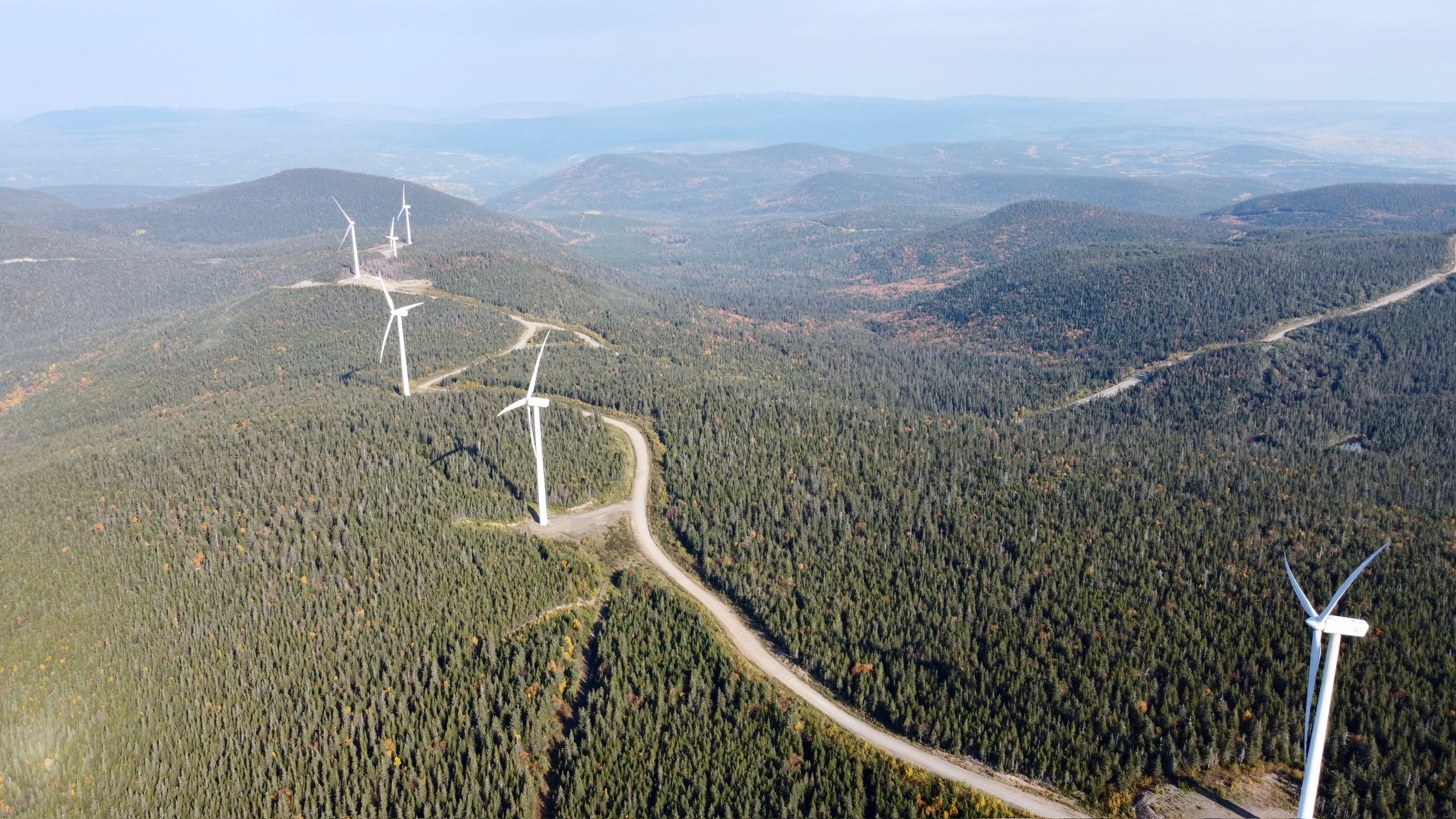
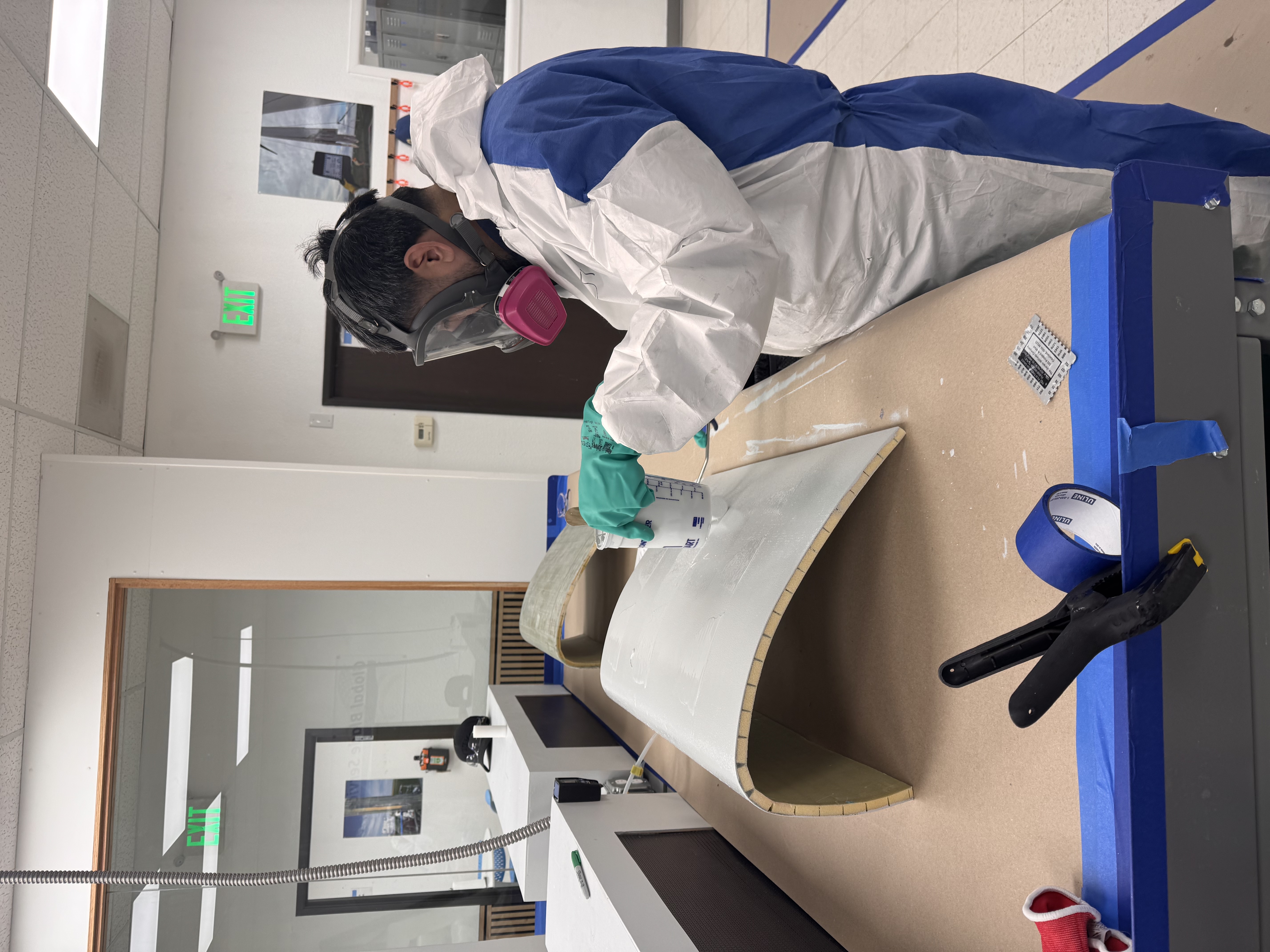
The heavy steel plate at the base of a wind turbine is a foundational, yet often overlooked, component of the energy transition. As turbines grow taller and move into deeper, harsher waters, the materials used for their foundations face unprecedented complexity and performance demands. In a sector grappling with supply chain pressures and ambitious climate goals, the role of high-specification steel is under intense scrutiny.
For heavy plate producers like NLMK DanSteel, this moment calls for proactive innovation. With a history tracing back to the earliest onshore towers, the Danish mill has evolved its capabilities to meet the wind sector's most pressing challenges: manufacturability, certification, logistics, fatigue performance, and, increasingly, emissions.
Fatigue, Fabrication, and Foundations
One of today's defining technical challenges is fatigue. Offshore turbines endure a constant barrage of stress from waves and wind. The monopiles and jackets anchoring them to the seabed must last for decades without failure, all while plate thicknesses push beyond 100 mm.
"Beyond strength, it's the consistency across the entire plate that proves most critical," explains Dr. Eugene Goli-Oglu, Head of Product Development. "Variability in mechanical properties, grain microstructure or residual stress can become a weak point under cyclical loading".
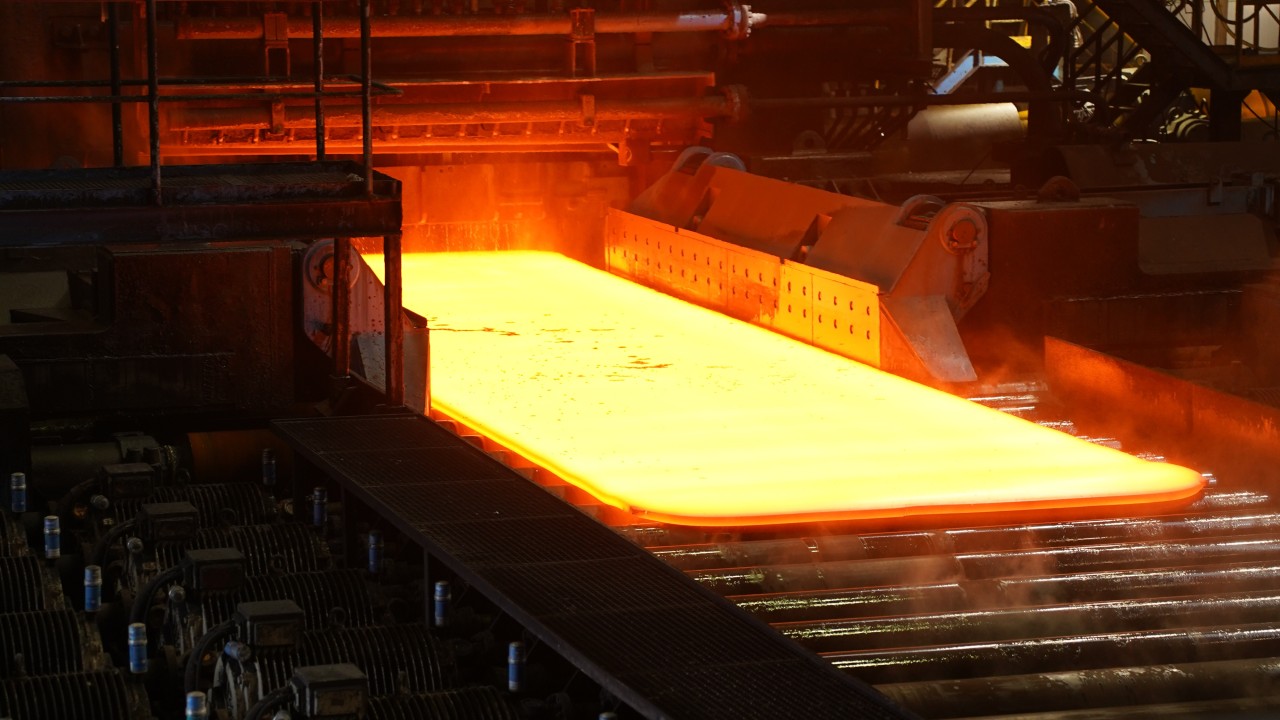
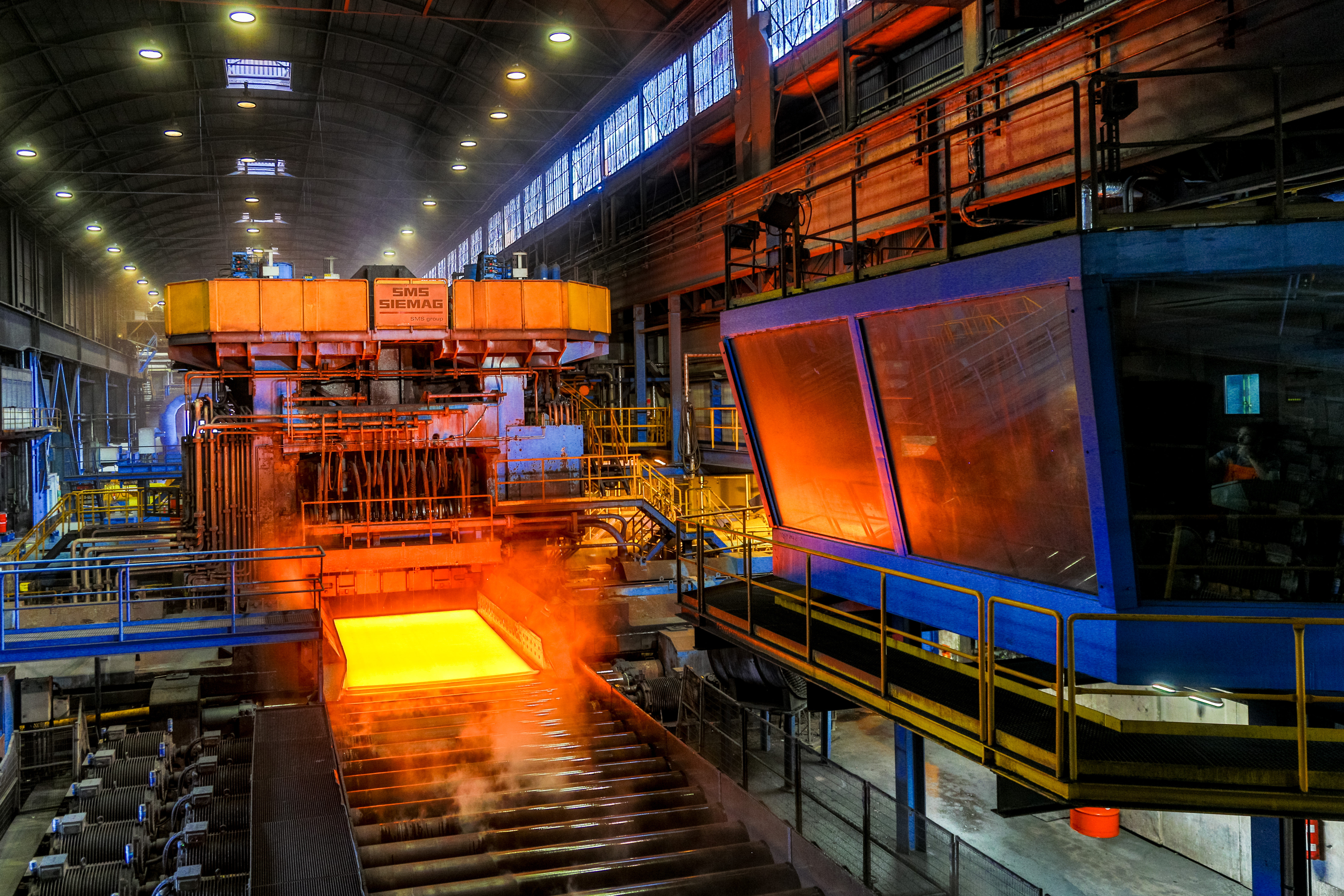
NLMK DanSteel achieves this uniformity through advanced thermomechanical controlled processing (TMCP) and accelerated cooling (ACC). The resulting steels offer two attributes essential for offshore foundations:
- High impact toughness at low temperatures.
- Consistently excellent weldability.
Weld integrity is paramount. Every additional seam increases labor, quality control, and potential structural risk. By supplying wider and longer plates (up to 4,000 mm wide and 28,000 mm long), the company helps fabricators reduce the number of welds needed, which means faster production, lower inspection costs, and less chance of defects.
The Growing Certification Bottleneck
Another critical challenge is certification. Before any steel is used in a foundation, it must pass stringent audits, including testing, documentation review, and third-party validation. This process can stretch for months, creating a significant bottleneck for projects.
We understand that just good steel isnt enough, says Dr. Goli-Oglu. You need paperwork, traceability and precise, systematic pre-qualification. The company works directly with customers and major classification bodies to fulfill project-specific requirements, including Z35 testing for ductility and full weldability simulations.
Logistics: Matching Mill Output to Yard Workflow
In large offshore projects, delivery sequencing can be a make-or-break issue. For landmark projects like the London Array, NLMK DanSteel implemented a novel sequencing system, delivering plates not just by project, but by section, perfectly aligned with the fabricators build schedule.
We plan deliveries to match the customers production plan, right down to how many lifts they need to make per day, says Carsten Koch, Business Development amp; Customer Technical Service Senior Manager. This close logistical alignment, enabled by the mills direct sea, rail, and road access, is vital as projects become larger and more modular.
The Sustainability Imperative: Decarbonizing Steel
While wind power is key to decarbonization, its steel components carry a substantial carbon footprint. In response, NLMK Europe has launched its FORWARD30 strategy, a roadmap targeting a 30% reduction in Scope 1 and 2 emissions by 2030.
A central pillar of this strategy is the shift toward Electric Arc Furnace (EAF) steelmaking, using recycled scrap. The company has already delivered offshore-grade heavy plates from EAF-produced slabs with a carbon footprint as low as 0.73 tCO₂/t—less than one-third of conventional plate.
Weve shown that you dont have to compromise on performance to cut carbon emissions, says Dr. Goli-Oglu. Our EAF-based offshore plates match the performance and reliability of traditional BOF-produced steels.
The Next Frontier: Floating Wind and Arctic Conditions
The industry is now moving into even deeper waters and colder climates, pushing steel producers into uncharted territory.
- Floating foundations require greater flexibility and fatigue resistance.
- Northern and Arctic deployments demand materials that remain ductile below -40°C.
NLMK DanSteel is already developing and supplying materials for these next-generation projects, working on entirely new solutions built from the ground up to meet these extreme requirements.
As the scale of global wind ambition grows, so do the engineering challenges. By focusing on material innovation, proactive support, and a long-term vision, NLMK DanSteel is helping to ensure steel foundations are as future-ready as the turbines they support.