Exclusive Articles

Counting the cost of solar inverters


Published in: Solar, Digital Blog

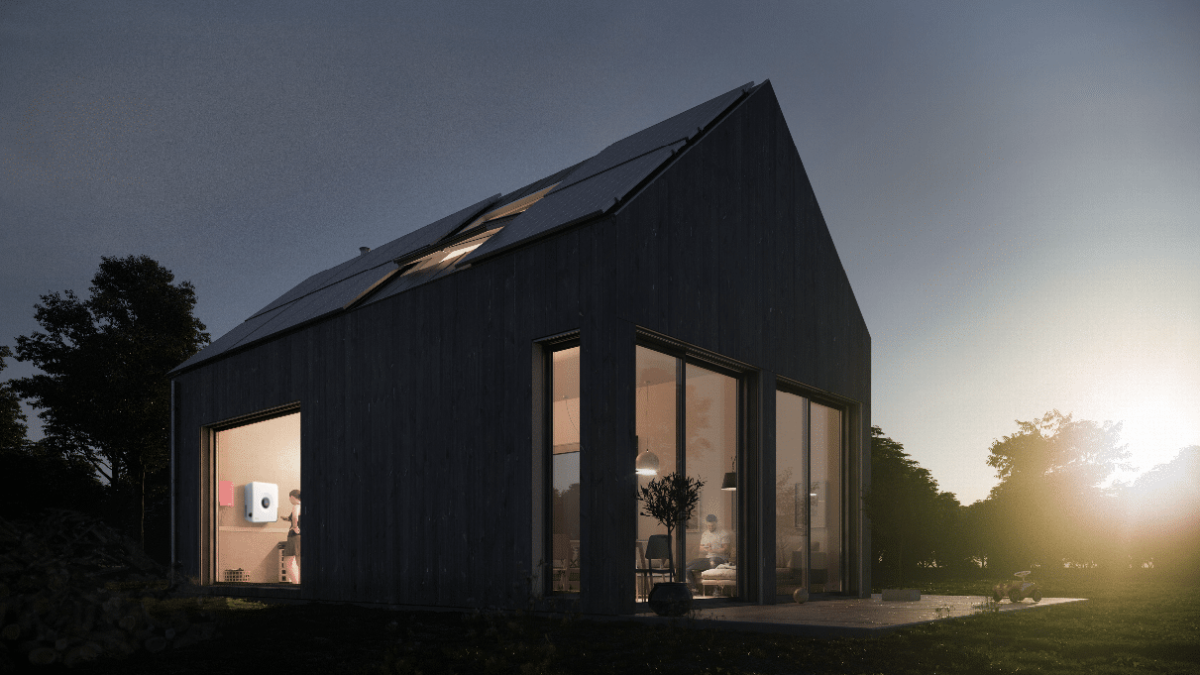
Counting the cost of solar inverters image

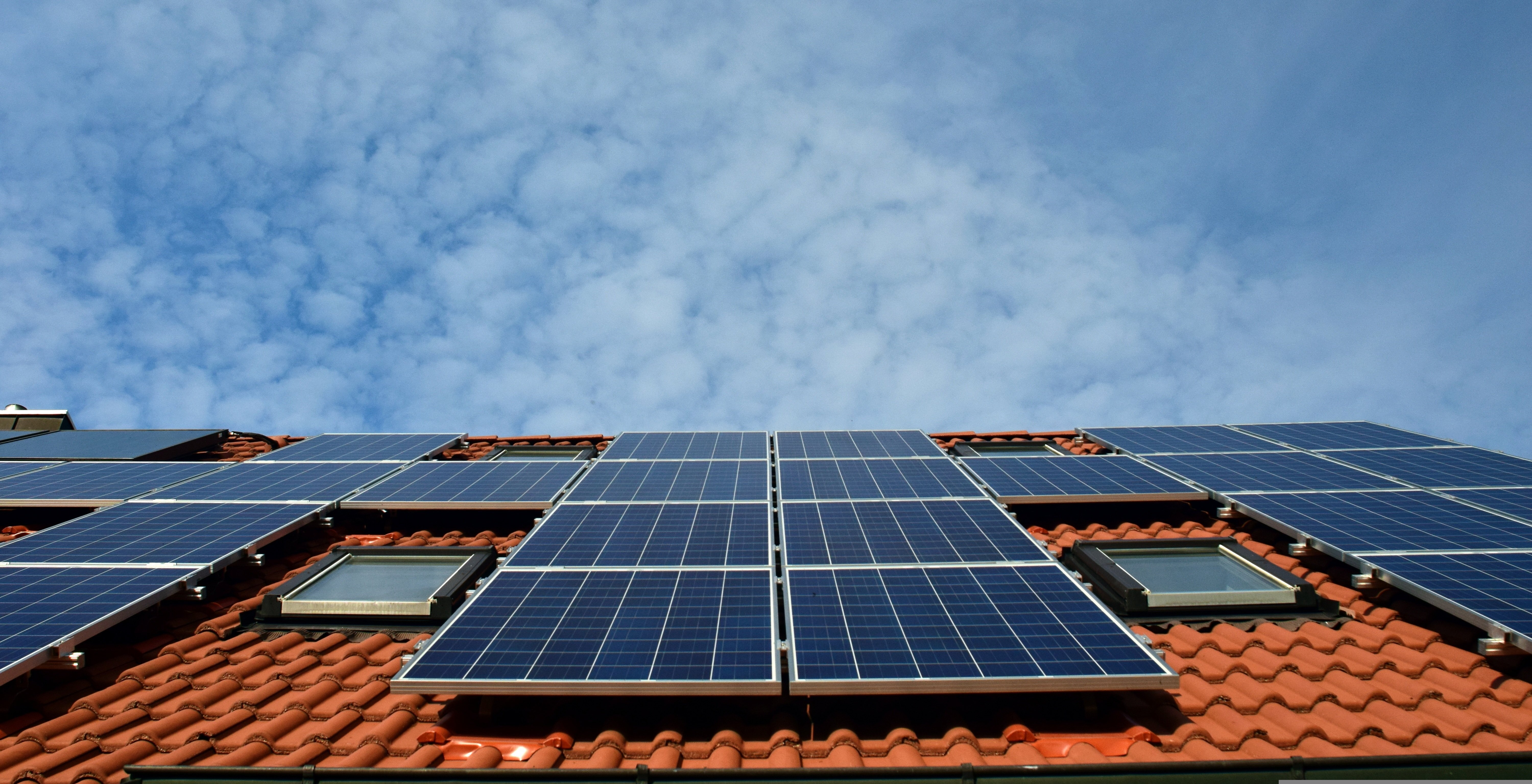
As the solar energy industry matures, understanding inverter technologies is key to balancing performance, cost, and reliability. SMA America outlines how string inverters deliver significant long-term value for residential PV systems, particularly when paired with battery storage and evolving home electrification needs.

Why Inverter Choice Matters Solar system costs are driven primarily by modules and inverters. While module prices are dropping, inverter costs remain a major factor. Selecting the right type—microinverters, string inverters, or optimizer-based systems—affects upfront investment, performance, and system complexity.

Key Considerations in Inverter Selection Major technical and economic distinctions among inverter types include:

  • Microinverters: Offer module-level power conversion but are the most expensive and involve triple power conversions when integrated with batteries.
  • String Inverters: Ground-level, cost-effective, globally dominant choice; capable of hybrid setups for seamless battery integration.
  • Optimized String Inverters: Use DC-DC converters to stabilize string voltage but add complexity and cost.

Benefits of String Inverters SMA highlights several advantages:

  • Hybrid Compatibility: DC architecture allows direct battery connection, improving efficiency with fewer conversions.
  • DC Load Management: Reduces the need for costly panel upgrades by allowing EV chargers and batteries to stay behind the inverter.
  • Lower Levelized Cost of Energy (LCoE): Combines low upfront cost with superior reliability and performance over system lifetime.

Performance and Reliability Advantages Modern string inverters debunk myths about shading inefficiencies:

  • Bypass diodes and high-speed Maximum Power Point Trackers (MPPTs) mitigate shading without needing costly module-level power electronics (MLPE).
  • Fewer components in string inverter setups reduce points of failure, enhancing overall system reliability and simplifying maintenance.

The Future with String Inverters SMA positions string inverters as ideal for:

  • Hybrid solar-plus-storage projects.
  • Shade-prone installations.
  • Grid-integrated homes seeking energy resilience.

Their lower cost, higher reliability, and evolving compatibility make them a smart fit for the next generation of solar energy systems.

Read the full article here: https://pes.eu.com/exclusive-article/counting-the-cost-of-solar-inverters/