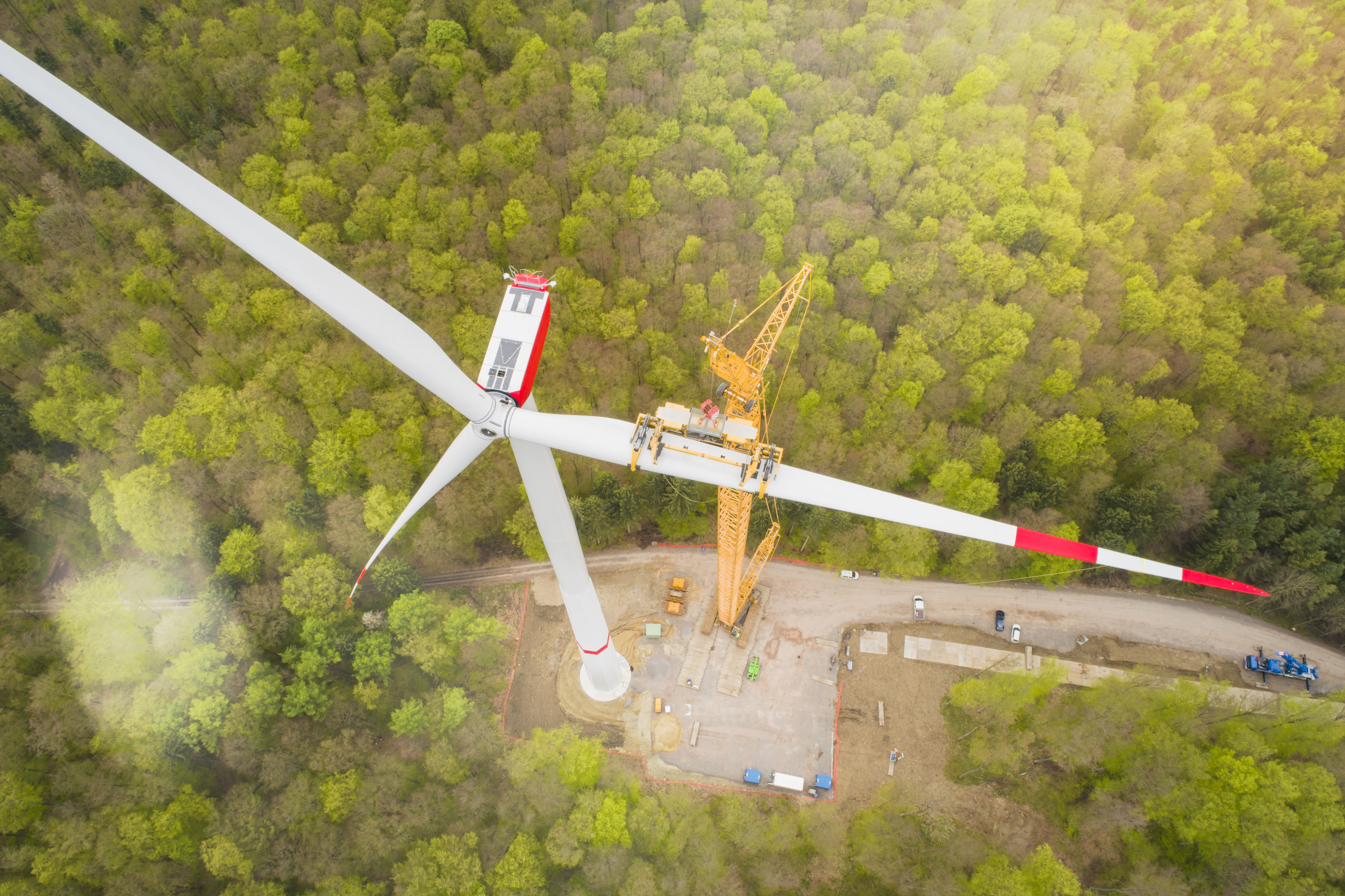
Only a decade ago, decommissioned wind turbine blades piling up in landfills were becoming a stark symbol of the wind industry's struggle with its own waste. The narrative of clean energy risked being undermined by the final leg of its sustainability story. Today, however, a scalable solution has emerged that turns this liability into an asset: cement co-processing.
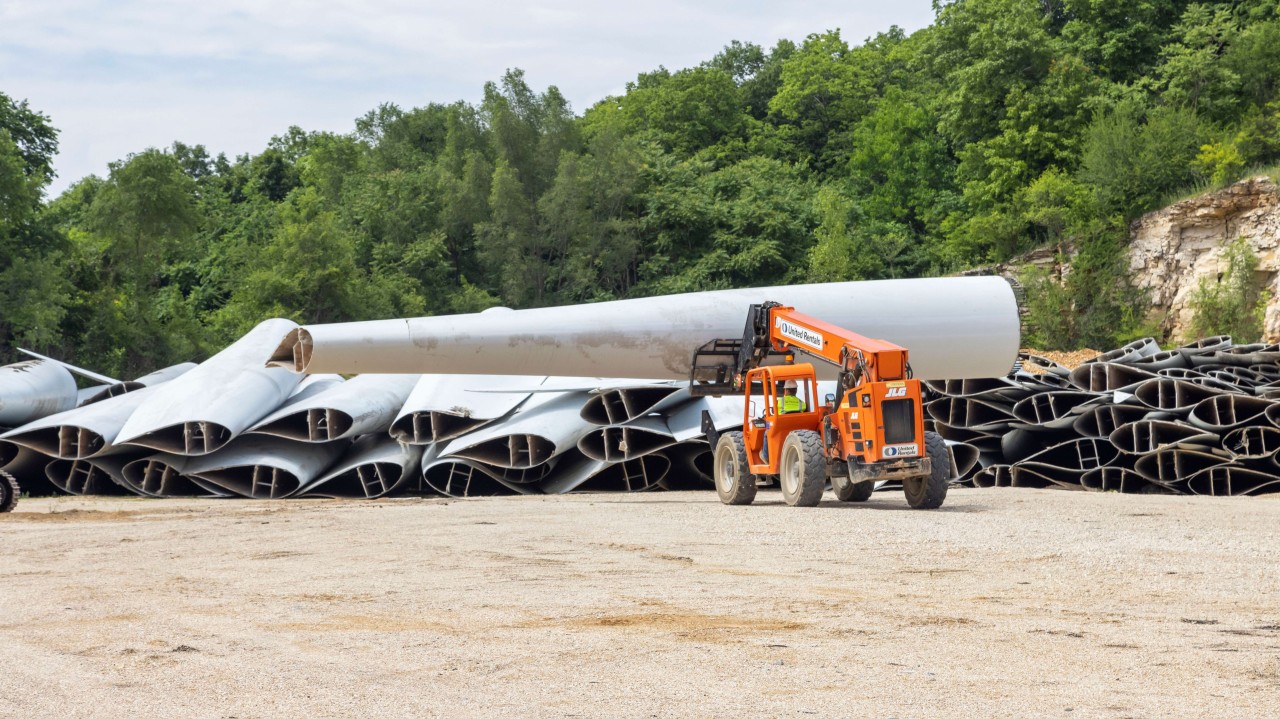
As the first generation of wind farms nears retirement, turbine blade waste remains one of renewable energy's toughest challenges. Industry analysts project decommissioning volumes will triple in the next five years, with over 10,000 blades needing replacement by 2040. Each blade weighs between six and 22 tons, illustrating the massive scale of the problem.
From Landfill Liability to Sustainable Asset
Early attempts at recycling failed due to underestimated volumes, inadequate equipment, and financial instability, leading to abandoned stockpiles and reputational risks. The industry needed a robust alternative to landfilling, which ranks lowest on the EPA's waste hierarchy.
Cement co-processing offers that alternative. It transforms shredded turbine blades into two valuable resources for cement manufacturing:
- Fuel: The composite material displaces coal and fossil fuels in energy-intensive cement kilns.
- Raw Material: The mineral components of the blades replace natural raw materials like silica and limestone.
The Measurable Impact
The environmental benefits are significant and verified by third-party research:
- 27% reduction in CO₂ emissions compared to using coal.
- 13% cut in net water consumption.
- 15,500 kWh of energy generated per blade—enough to power an average American home for 1.5 years.
- Massive landfill savings: diverting 30 to 45 cubic yards of waste per blade.
A Simple Concept, A Complex Execution
While the concept is straightforward, execution is anything but. Turbine blades are engineered to be extraordinarily durable, resisting standard shredding methods. Processing them requires specialized, heavy-duty equipment and substantial capital investment—barriers that have caused many early market entrants to fail.
Success demands precise environmental controls. To meet rigorous cement kiln specifications, operators must monitor BTU, moisture, chlorine, and particle size in real-time. A single misstep can render an entire batch unusable.
Choosing the Right Partner
For OEMs and asset owners, selecting a stable, capable partner is critical to avoid the compliance and financial risks of the past. Key factors to evaluate include:
- Financial Stability: To sustain long-term operations without service interruption.
- Proven Track Record: Demonstrated ability to process at scale without stockpiling.
- Technical Capabilities: Advanced shredding and on-site quality control laboratories.
- Transparent Reporting: Comprehensive documentation from shipping to sustainability certification.
Leading the Way to a Circular Economy
Leading operators like Veolia have learned from early industry challenges, investing in expanded infrastructure and advanced technology to increase processing throughput by five times. By turning end-of-life blades into valuable inputs, the industry is transforming a major waste challenge into an opportunity for innovation.
In an industry built on harnessing natural forces, managing end-of-life assets is now as crucial as capturing the wind itself. Only those who master the full lifecycle will lead the way toward a truly sustainable future.



-1.jpg)