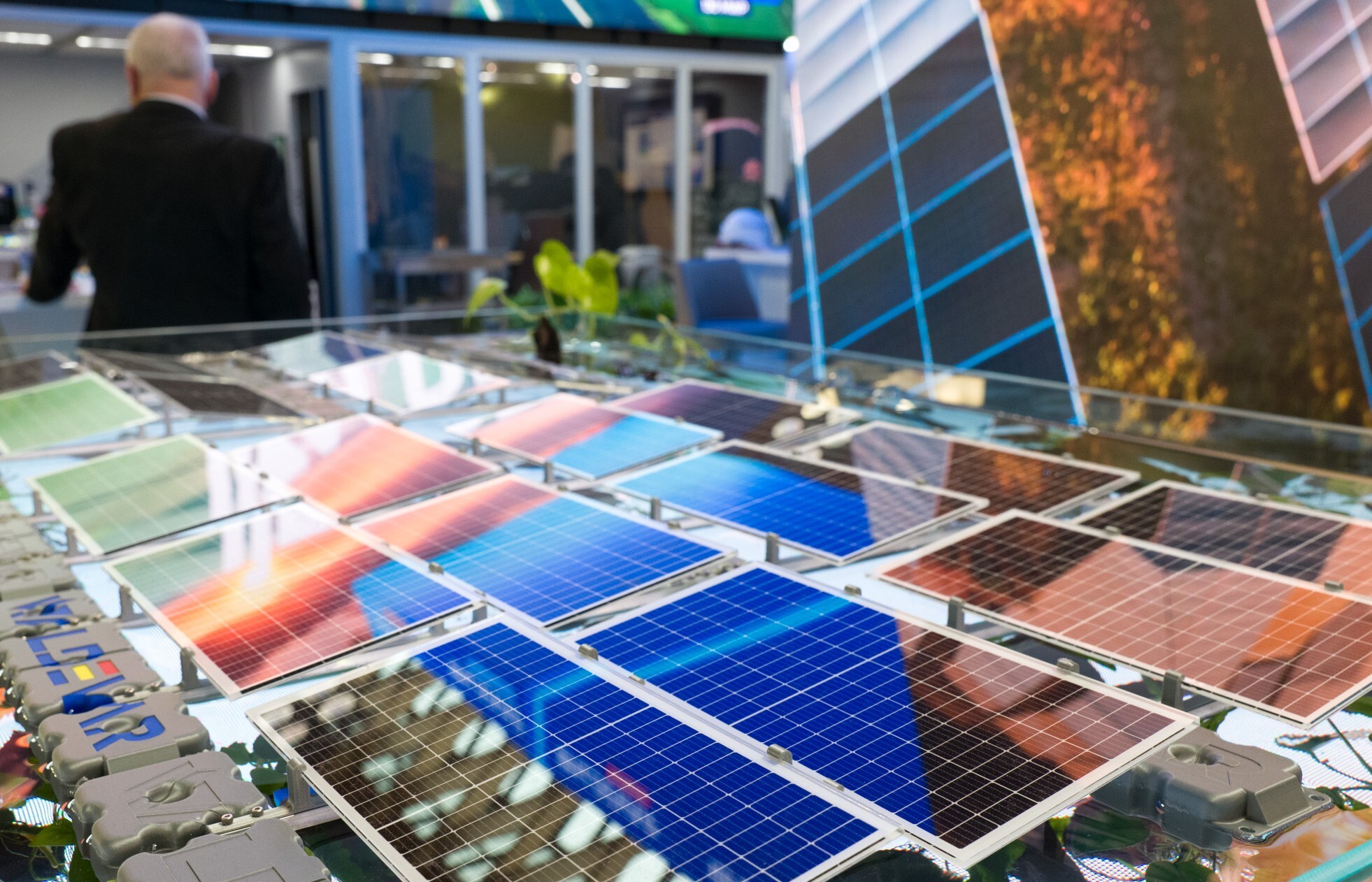
Enhancing Land Use with Agri-PV
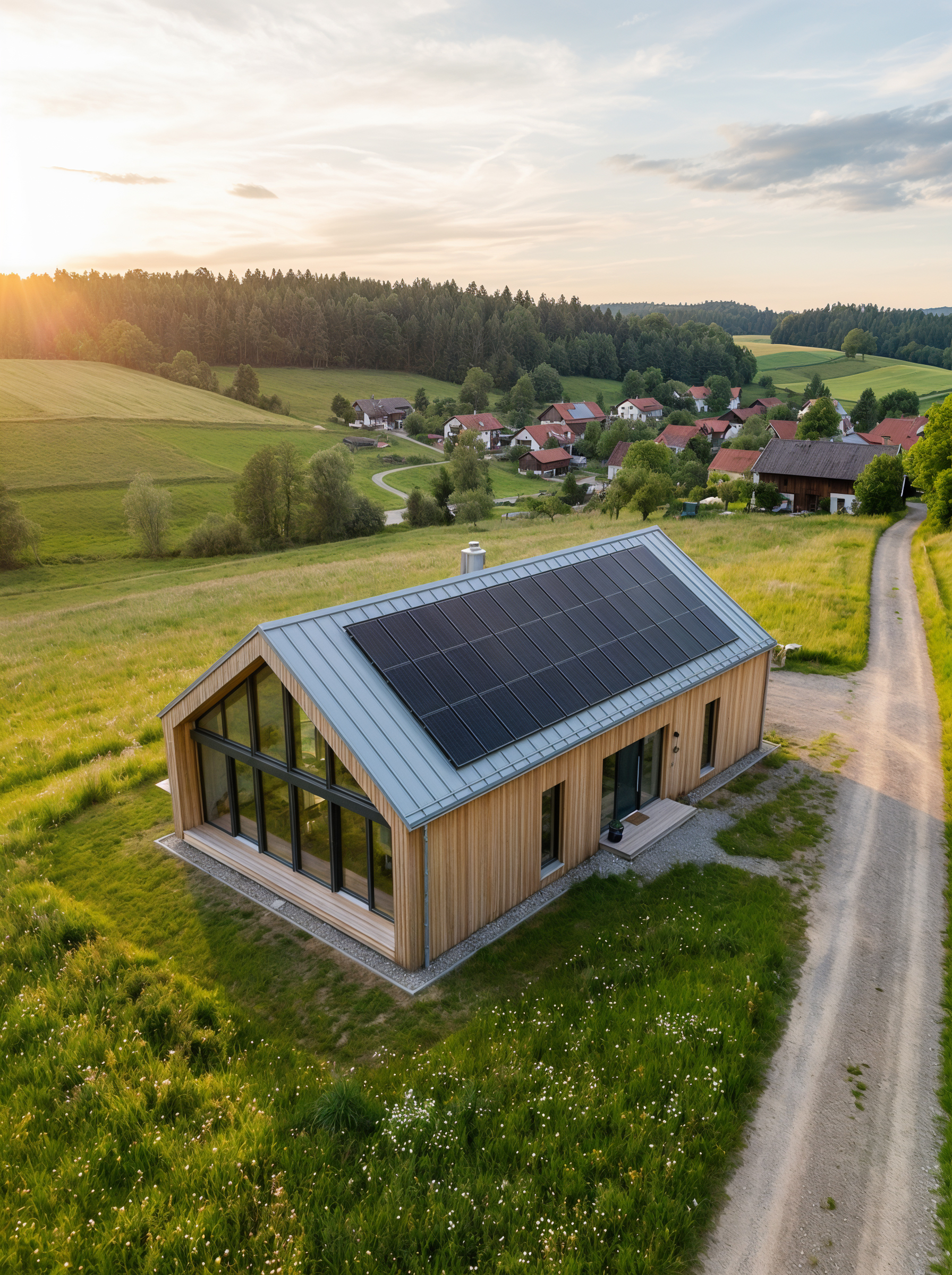
The rapid expansion of photovoltaic (PV) energy has positioned solar power as a dominant renewable energy source. In 2023, the EU installed 56 GW of new solar capacity, setting a record and bringing the total to 263 GW. Solar power, primarily generated through large-scale solar parks and building-integrated PV systems, remains one of the most cost-effective and environmentally friendly sources of electricity, offering long-term durability with minimal maintenance.
Addressing Land Use Challenges
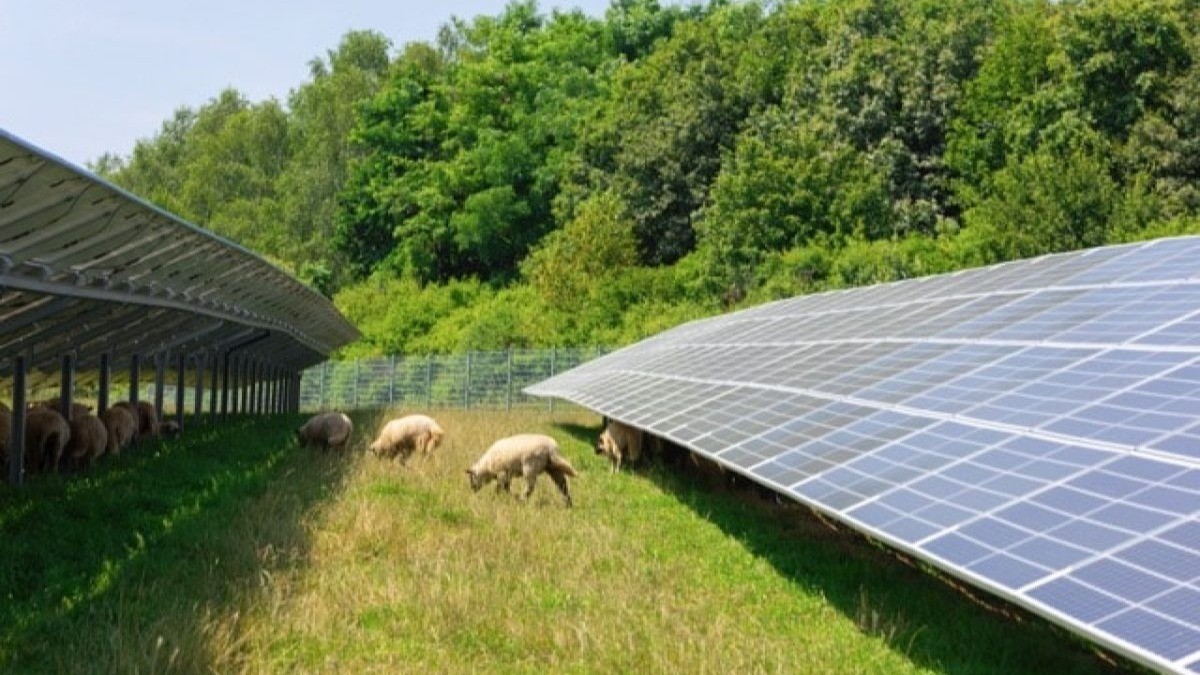
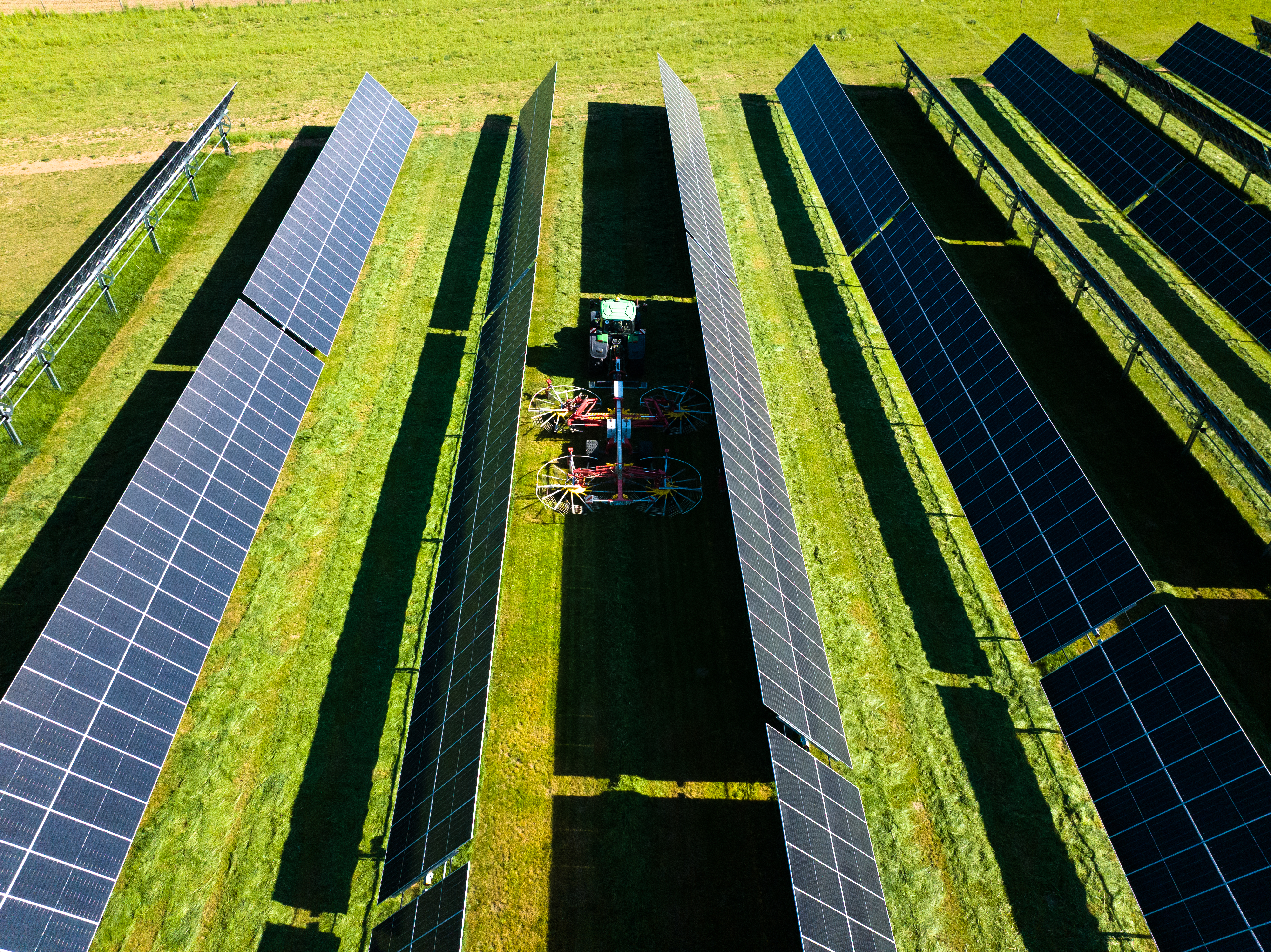
With urban expansion leading to land use conflicts, sustainable development strategies are required to balance agriculture and energy production. Agri-PV is emerging as a leading solution, combining solar power generation with agricultural productivity. This dual-use approach enables farmland to serve two critical functions—food production and renewable energy generation—without sacrificing fertile land.
Strategic Integration of Solar and Agriculture
Agri-PV maximizes land use efficiency through careful placement of PV modules, allowing agricultural activities to continue while generating electricity. This approach offers multiple benefits:
- Climate Resilience: Solar panels provide shade, reducing water consumption and protecting crops from extreme weather.
- Biodiversity Protection: Integrating flower strips and specialized crops within PV systems fosters ecosystem diversity.
- Optimized Land Use: Agri-PV aligns with European policies aiming for zero net land take by 2050, ensuring farmland remains productive.
Technology-Driven Solutions for Modern Agriculture
As the energy transition accelerates, innovative technologies are needed to integrate solar power with agricultural systems effectively. Key advancements include:
- Dynamic tracker PV systems, which optimize sunlight exposure for enhanced power generation.
- Automated irrigation and microclimate regulation, reducing the need for excessive water use.
- Digital monitoring and AI-driven analytics, allowing real-time tracking of weather and soil conditions.
Economic and Environmental Impact
By diversifying revenue streams, farmers can sell surplus solar electricity while benefiting from enhanced crop resilience. Agri-PV minimizes land use conflicts and contributes to carbon-neutral agriculture, reducing dependency on fossil fuels. GOLDBECK SOLAR, a leader in multi-purpose PV solutions, collaborates with research institutions to optimize system efficiency and implement large-scale Agri-PV projects.
The Future of Agri-PV and Renewable Energy
The integration of solar power and agriculture represents a sustainable pathway to achieving climate neutrality by 2050. By leveraging cutting-edge PV technology, Agri-PV enables efficient land use, enhanced food security, and clean energy production, positioning it as a key component of the global energy transition.
Read the full article here: https://pes.eu.com/exclusive-article/agri-pv-merging-solar-power-with-agriculture/