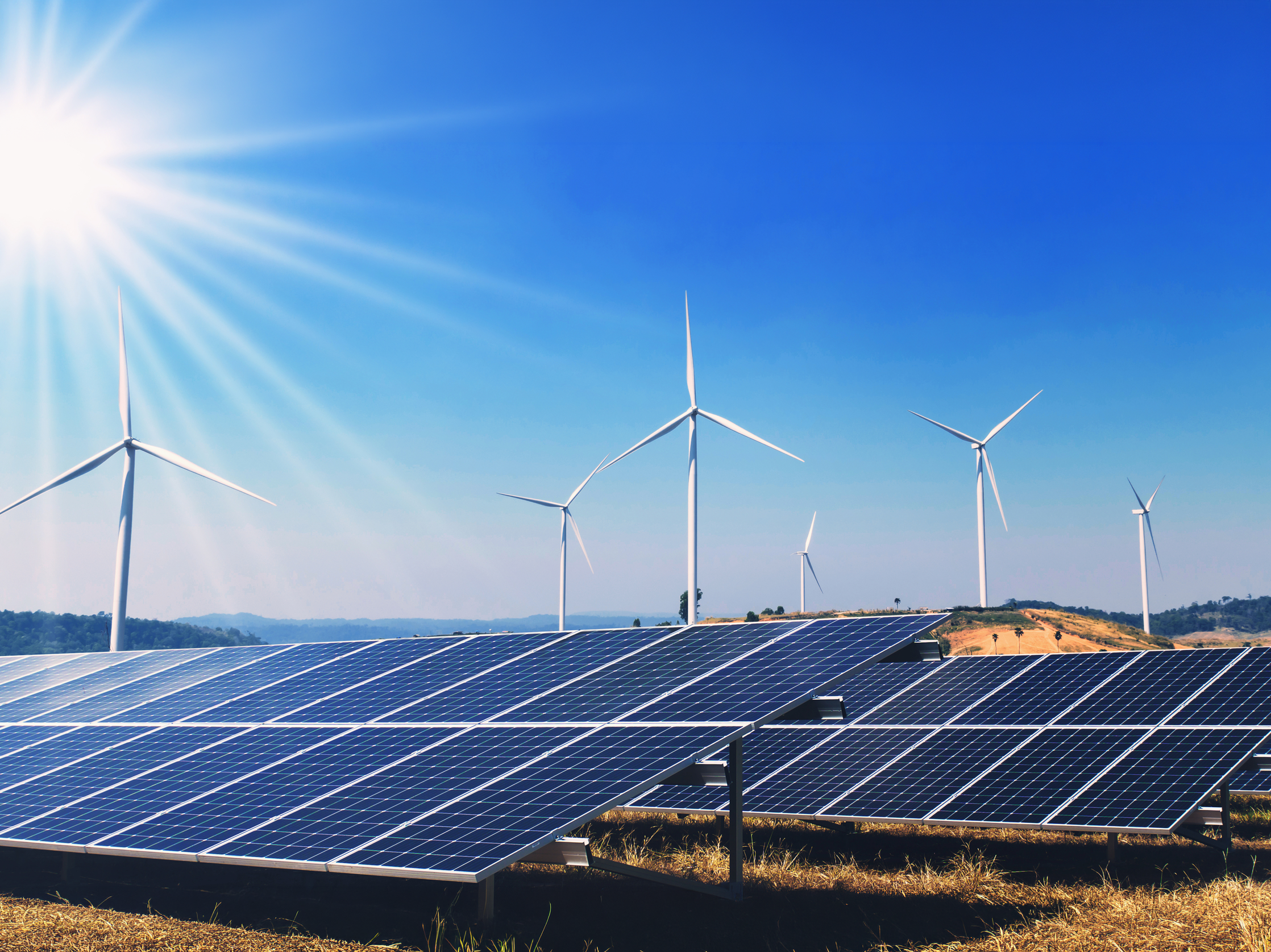
The ground-mount solar market in EMEA has evolved, with growing demand due to renewable energy targets and supportive policies. Key trends include larger utility-scale projects, smart technology integration, and agrivoltaics, which merges agriculture with photovoltaic energy. Against this backdrop, PES wanted to find out more about Clenergy’s fixed ground-mount systems from the company’s EU Product Director, Nathalie Kermelk.
PES: It may be useful to start if we may, by getting your thoughts on how the groundmount solar market evolved in the EMEA region in recent years, and what trends you see on the horizon?
Nathalie Kermelk: The ground-mount solar market in EMEA has seen increased demand, which has been driven by both renewable energy targets and progressive policies. We’ve observed a notable shift towards larger utility-scale projects, with enhancements in system efficiency and smart technology integration.
Additionally, the rise of agrivoltaics, combining agriculture and PV, along with a significant reduction in solar panel costs, has made PV installations more affordable. Solar power is now considerably cheaper per kWh than fossil-based energy in many areas.
PES: Developers and EPCs face certain challenges when installing ground-mount solar systems in the EMEA region, don’t they?
NK: There are plenty of challenges for developers and EPCs across EMEA. Varied terrain and remote locations can complicate logistics and installation, and high labor costs further compound these challenges. Furthermore, the diverse regulations across countries necessitate adaptable and compliant system designs.
PES: Given the wide geographical range of EMEA, are there environmental factors that significantly impact ground-mount installations too?
NK: Absolutely. The wide range of climates, from arid to temperate, influences material choice and design, such as needing corrosion resistance in coastal areas. Also, mountainous regions and uneven terrains require flexible and adaptable mounting systems to cope with the geographical challenges.
PES: What inspired Clenergy to focus on fixed ground-mount systems for EMEA, especially in markets where trackers have been popular?
NK: Fixed systems offer durability and lower maintenance in regions with less intense sunlight, which can be preferable. Despite the popularity of trackers, some regions favor the reliability and ease of installation of fixed systems. In some parts of EMEA, fixed systems also make better financial sense, although we actively provide solutions across both fixed and tracker systems based on regional needs.
PES: Can you explain the key features of PVezRack® SolarTerrace Ikon that make it unique and suitable for commercial and utility-scale PV installations?
NK: The PVezRack® SolarTerrace Ikon is engineered with several innovative features that cater specifically to the needs of commercial and utility-scale projects. Our focus has been on maximising installation efficiency, ensuring durability, and offering flexibility, which are critical in large-scale solar deployments.
The modular nature of the PVezRack enhances its adaptability to a wide range of site conditions. This design simplifies the logistics of transporting and handling materials on-site and allows for quick configuration and scalability. It’s particularly advantageous in utility-scale projects where adaptability to diverse terrains is required.
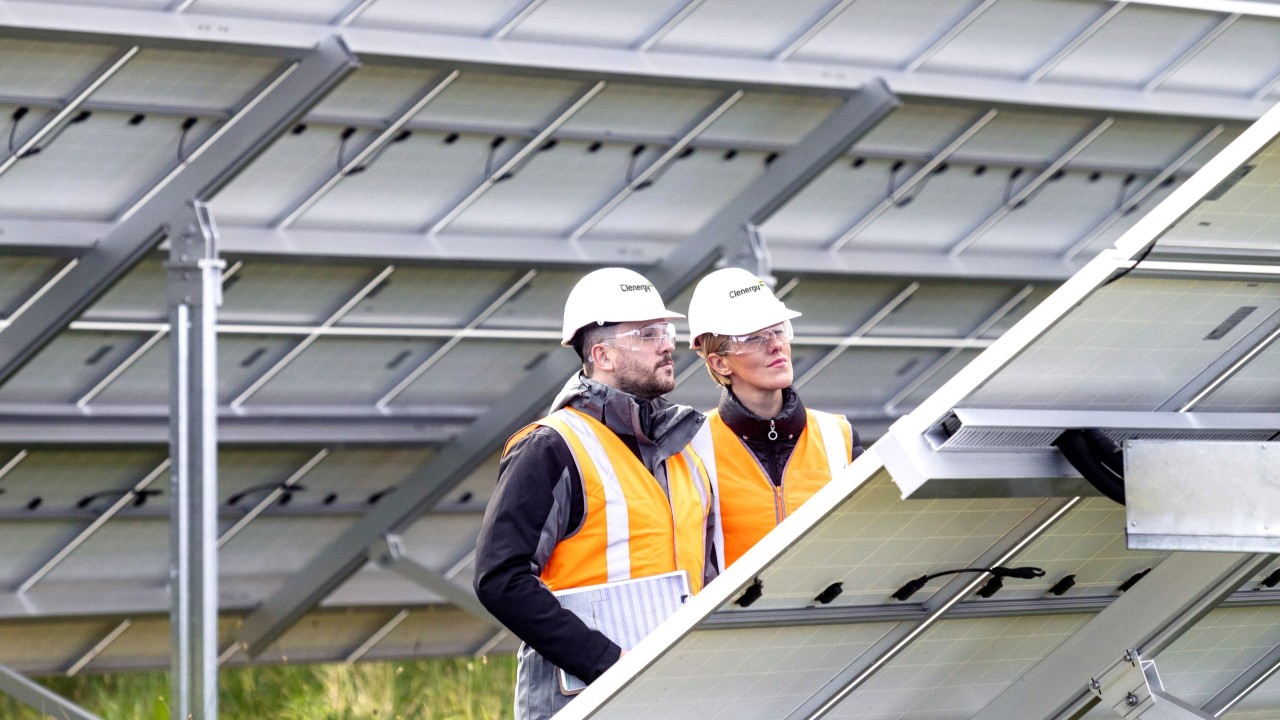
One of the most distinctive features of our system is that the installation of the modules can be effectively carried out by a single technician, in either portrait or landscape orientation. This is facilitated by our innovative positioning clamps and the self-securing design of the modules within the rack.
Once a module is positioned, it remains stable, allowing the installer to secure it without needing additional hands. This dramatically reduces the manpower needed for installation, which is a gamechanger for reducing labor costs and expediting project completion.
PES: How does this address the challenges of high labor costs and complex installation processes often seen in ground-mount projects?
NK: Our systems comprise fewer components, therefore contribute significantly to the reduction of on-site labor and complexity, streamlining the installation process and decreasing overall project timelines and labor costs, ideal for high labor cost countries like those in the EU.
PES: Is the installation process simplified for quicker positioning and assembly?
NK: Yes, the integration of time-saving features like pre-installed positioning clamps simplifies alignment and installation, and the design allows for rapid assembly with minimal tools and handling. This reduces the training time required for installation teams as well as lowering labor costs and potential errors during installation.
The design incorporates features that allow rapid locking and securing of components, which not only accelerates the installation as they can be installed by one single installer, but also enhances the safety of the installation.
Despite its simplicity, the system does not compromise on safety or reliability. Each component is designed to withstand environmental stresses, ensuring long-term durability and reducing maintenance needs. This is crucial for utility-scale projects that require systems not only to be costeffective but also robust and secure over decades of operation.
PES: What impact does the quicker installation process have on reducing the carbon footprint of solar projects?
NK: The quicker installation process reduces time on site and transportation requirements, which lowers overall emissions. Additionally, the use of recyclable and durable materials in the racks and quicker connection to the grid help reduce the carbon footprint significantly.
PES: Could you elaborate on the concept of ‘back-locked panels’ and ‘self-grounding systems’ and how these contribute to the safety and efficiency of installation?
NK: Our secure locking mechanism enhances safety during installation by reducing the risk of accidents. The integrated grounding reduces the need for additional grounding components, speeding up installation and enhancing safety.
PES: In terms of structural flexibility, what advantages does this product offer compared to other ground-mount solutions on the market?
NK: The versatile design ensures compatibility with various ground conditions and configurations. Our components are adaptable to different terrain requirements, which allows for variations in module and terrain inclinations without extensive site modification.
PES: Reducing the levelised cost of energy (LCOE) for commercial and utility-scale solar projects is important too, isn’t it?
NK: Absolutely, we focus on three key areas to reduce LCOE, these are initial capital cost reduction, operational efficiency and reduction in maintenance costs. Our enhanced design leads to quicker deployment and less maintenance, which directly contributes to lowering the LCOE for solar projects.
Faster deployment translates to reduced labor and installation costs, lowering the initial capital expenditure. Less complex designs reduce the need for specialised skills or equipment, which can also decrease upfront costs. Quicker commissioning means the project starts generating revenue sooner, improving the financial metrics of the project.
Efficient designs that require less maintenance also mean fewer interruptions, maintaining consistent energy production and maximising revenue over the project’s lifespan. Durable and less complex systems mean fewer repairs and replacements, directly reducing the ongoing operational costs. This reliability increases the system’s uptime, directly contributing to a more favorable LCOE.
PES: As the EMEA ground-mount market grows, have you plans to adapt and evolve your product offering to meet changing demands and technological advancements?
NK: We are continuously engaging in R&D to improve efficiency, adaptability, and environmental sustainability. This includes more accurate wind tunnel studies and developing solutions for Agri PV projects in response to market demands and regulatory changes.
PES: What’s next then, as far as you can see?
NK: We are committed to integrating more advanced technologies and providing innovative and sustainable solutions. We’re listening to the market to ensure our products meet the evolving needs, with a particular focus on Agri PV solutions.
Our goal is to support the transition to renewable energy effectively and responsibly. The overall sustainability and viability of solar as a renewable energy source is of utmost importance to me personally and to Clenergy.

-1.jpg)