News
Published in: Wind, Press Releases
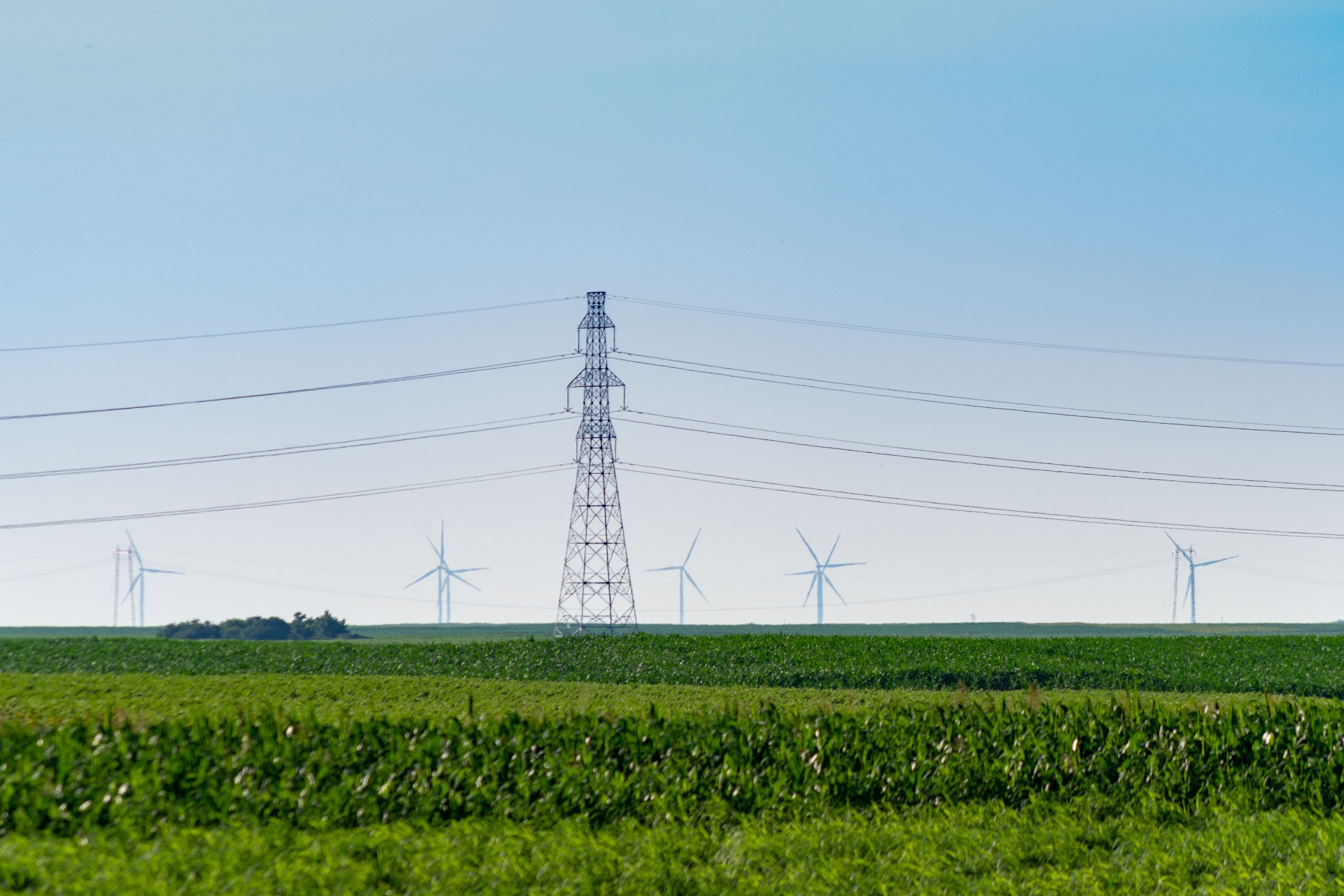
The electrical industry is facing pressure, with aging infrastructure and growing electricity demand. At the same time, traditional materials such as wood, steel, and porcelain increasingly reveal limitations, pushing design engineers to search for replacement solutions. Composite materials are not only an alternative to convention, but an enabler of more resilient and efficient electrical systems. Here, Mika Kepponen, product manager at composite manufacturing specialist Exel Composites, explores the possibilities of composites within electrical applications.
Modern electrical infrastructure relies on materials capable of sustaining mechanical integrity and electrical properties over long service lives, even in harsh and high-stress environments. Composite materials are transforming the electrical sector by integrating high mechanical performance and reliable electrical properties into one-high performance profile.
Composites in electrical distribution and transmission must meet strict mechanical strength, dielectric performance, weathering resistance, and safety standards such as IEC, IEEE, and ASTM requirements to ensure long‑term reliability in high‑voltage environments.
Utility poles: a case study in infrastructure modernization
Several areas of composites production facilitate better personalization for utility infrastructure. Careful resin selection enhances insulation, while precise fiber placement increases profile strength, allowing components to be tailored to exact specifications.
In the United States, for example, approximately 185 million utility poles carry electrical lines across urban and rural areas, yet around 2.5 million wooden poles must be replaced annually due to damage, rot, or aging.
As noted by Dan Coughlin, the vice president for the American Composites Manufacturers Association: “These outages immediately halt economic activity through the loss of mass transit, traffic lights, electronic tolling stations, and retail cash registers. They also raise recovery costs related to mobilization, backup power provision, and temporary housing,” highlighting the economic impact of aging pole infrastructure.
Decay and aging are common, but wooden utility poles also suffer damage from weather events, particularly high-impact winds. In comparison, composite utility poles have higher environmental resistance. In utility pole production, filament winding techniques produce transverse fiber orientations, increasing poles’ rigidity and reducing wind deflection.
Composite utility poles can last up to 80 years, around double the lifespan of wooden poles. Increased service life reduces the need for replacements or repairs, reducing maintenance costs. Additionally, composite poles are lightweight and easier to install, minimizing risks of accidents or injury to engineers.
Improving safety with composite insulators
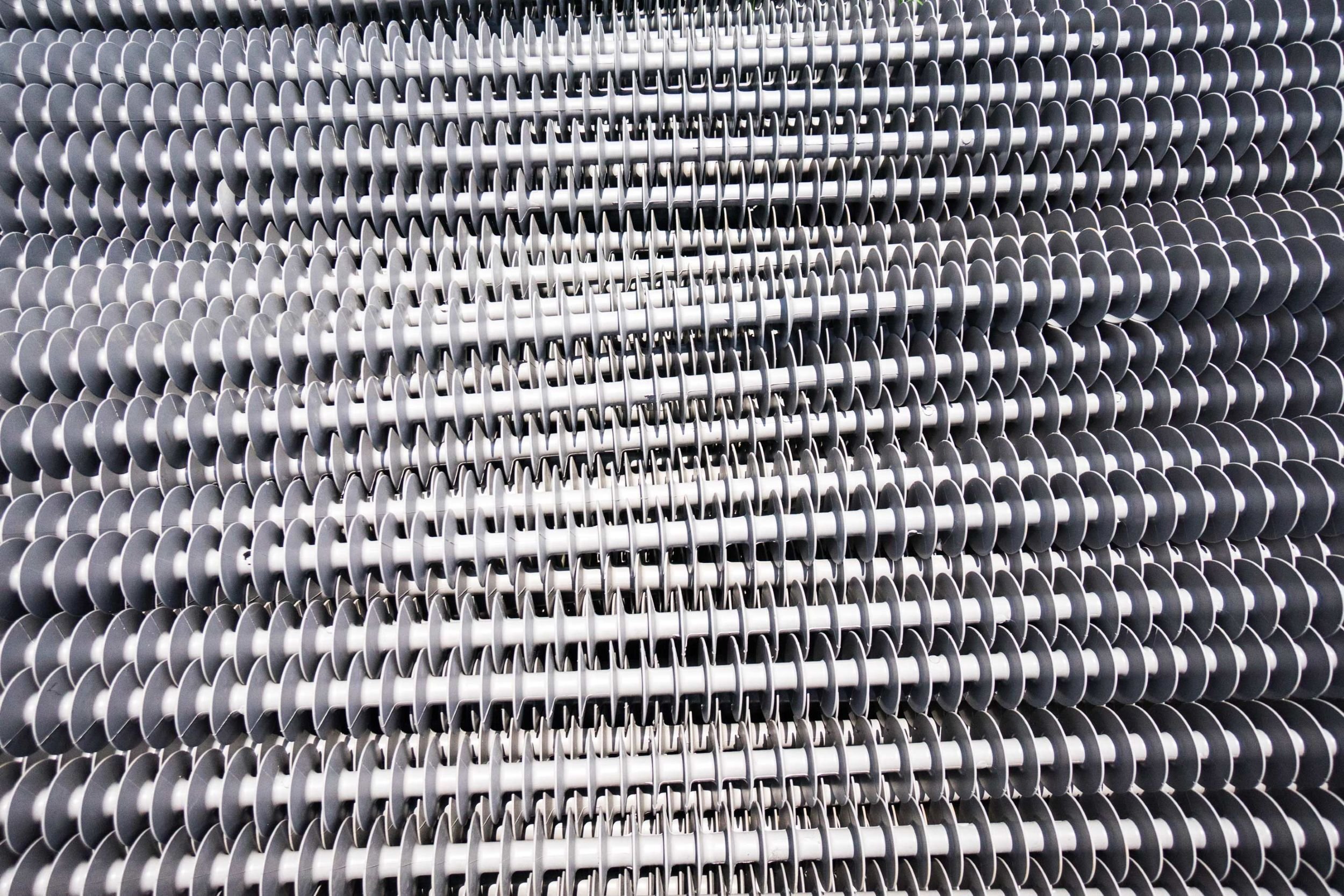
Insulator rods are one of the most important and widely used products in electrical transmission and distribution. Forming a structural and insulating core, composite insulators support conductors and maintain electrical separation from towers, poles, and crossarms. Their lightweight advantage reduces load on supporting structures, enabling easier transportation and installation as well as increased design flexibility without compromising performance.
Among safety concerns for engineers, porcelain insulators can rupture or explode under high stress. When porcelain fails, it can send sharp fragments into neighbouring components, increasing the risk of secondary damage. Composite insulators offer a safer and more reliable alternative for modern power grids as their strong mechanical structure will not rupture under extreme stress.
Conductor cores for resilient power grids
In the on-going energy modernization transition, polymeric matrix composites (PMC) cores offer higher strength-to-weight ratio than traditional steel cores used in aluminum conductor steel reinforced (ACSR) conductors. They also expand less when heated, increase transmission capacity and reduce energy losses, maximizing efficiency. Multi-wire PMC cores maintain structural integrity even when individual strands are damaged, ensuring safe and consistent performance in overheard lines.
Beyond the grid
While utility poles and insulators are often the most visible examples, composite materials play an important role across a wide range of electrical applications where insulation and strength are key.
One long-established application is insulated rail joints, used to carry the electrical signals that indicate track position across railway lines. Glass fiber composite rail joints offer electrical insulation and resistance to environmental impacts like UV, heat, and moisture.
Used across Continuous Welded Rail (CWR) and jointed tracks, composite insulated rail joints are easy to install, needing no adhesives or welding. This differs from their heavy steel counterparts, which require multiple complex installation steps. The high electrical insulation of the rail joints also ensures virtually fail-safe performance, saving costly delays for railway operators and passengers.
Whether electrical or transportation, the demands on decades-old infrastructure continues to grow. The modernisation of electrical components will require expertise and education on advanced materials like composites to provide advantageous properties and longevity.
To discover more about how composites can offer safer, more reliable, and environmentally resistant applications, read about Exel Composites’ expertise on composites in electrical applications solutions.
Editor’s note: If you want to ensure you keep up to date with press material, opinion focused blog content and case studies from Exel, visit the website here: https://exelcomposites.
For further information contact: Exel Composites PLC, Group Management Office, Mäkituvantie 5, FI-01510 Vantaa, Finland
e-mail: pilvi.tahtinen@
www: https://www.
LinkedIn: https://www.
Press enquiries: Greg Coppack – Stone Junction Ltd
Suites 1&2 The Malthouse | Water Street | Stafford | Staffordshire | ST16 2AG
Telephone: +44 (0) 1785 225416
e-mail: greg@stonejunction.co.
X: https://twitter.com/
Facebook: http://www.facebook.
LinkedIn: https://www.
About Exel Composites
Exel Composites is one of the largest manufacturers of pultruded and pull-wound composite profiles and tubes and a pultrusion technology forerunner in the global composite market. Our forward-thinking composite solutions made with continuous manufacturing technologies serve customers in a wide range of industries around the world. You can find our products used in applications in diverse industrial sectors such as wind power, transportation and building and infrastructure.
Our R&D expertise, collaborative approach and global footprint set us apart from our competition. Our composite solutions help customers save resources, reduce products’ weight, improve performance and energy efficiency, and decrease total lifetime costs. We want to be the first choice for sustainable composite solutions globally.
Headquartered in Finland, Exel Composites employs over 600 forward-thinking professionals around the world and is listed on Nasdaq Helsinki. To find out more about our offering and company please visit www.exelcomposites.com.
REF: EXE504/02/26