Exclusive Articles

The Netherlands: wind’s next test


Published in: Wind, Exclusive Articles, Country Focus
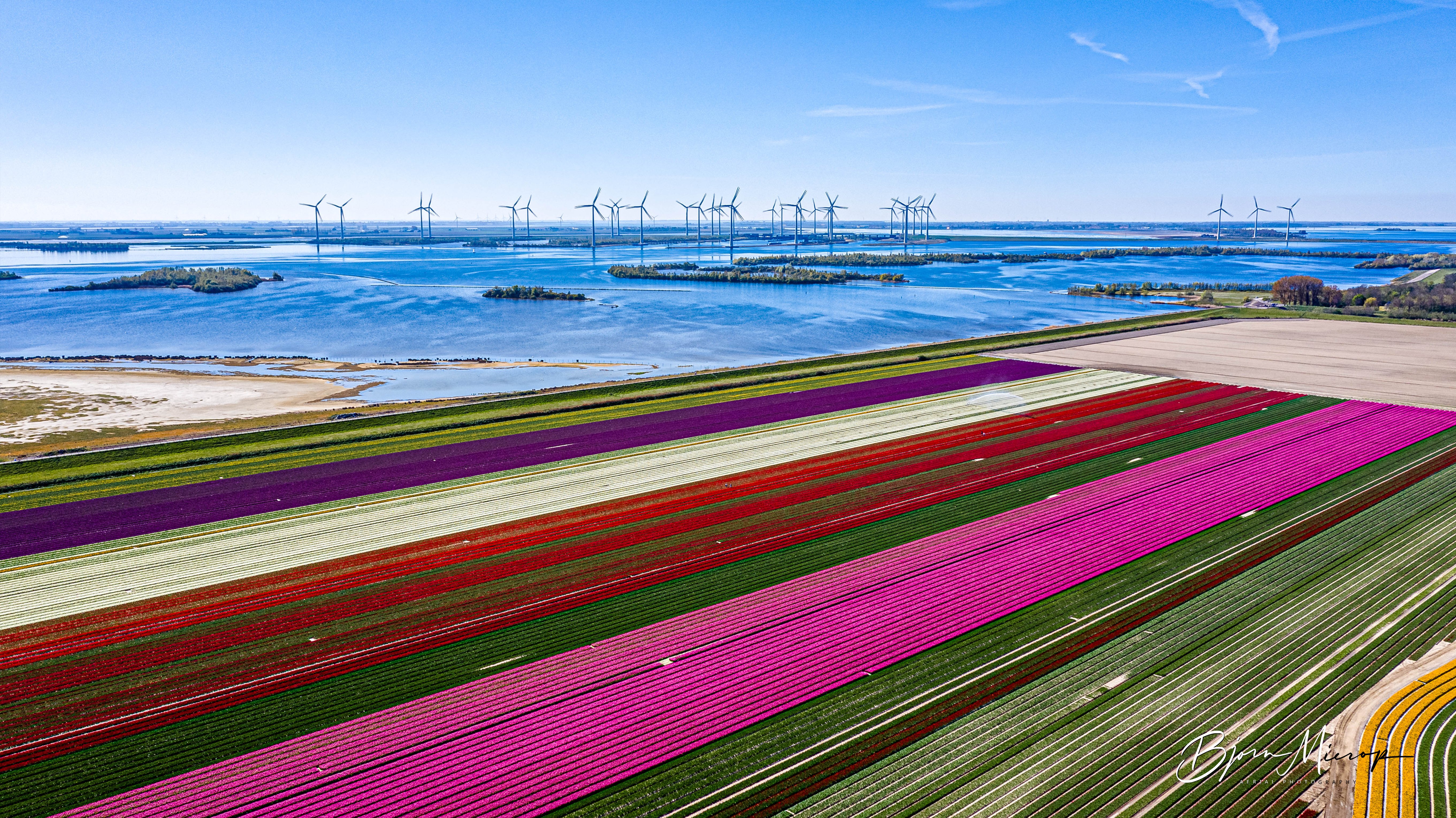

The Netherlands: wind’s next test image

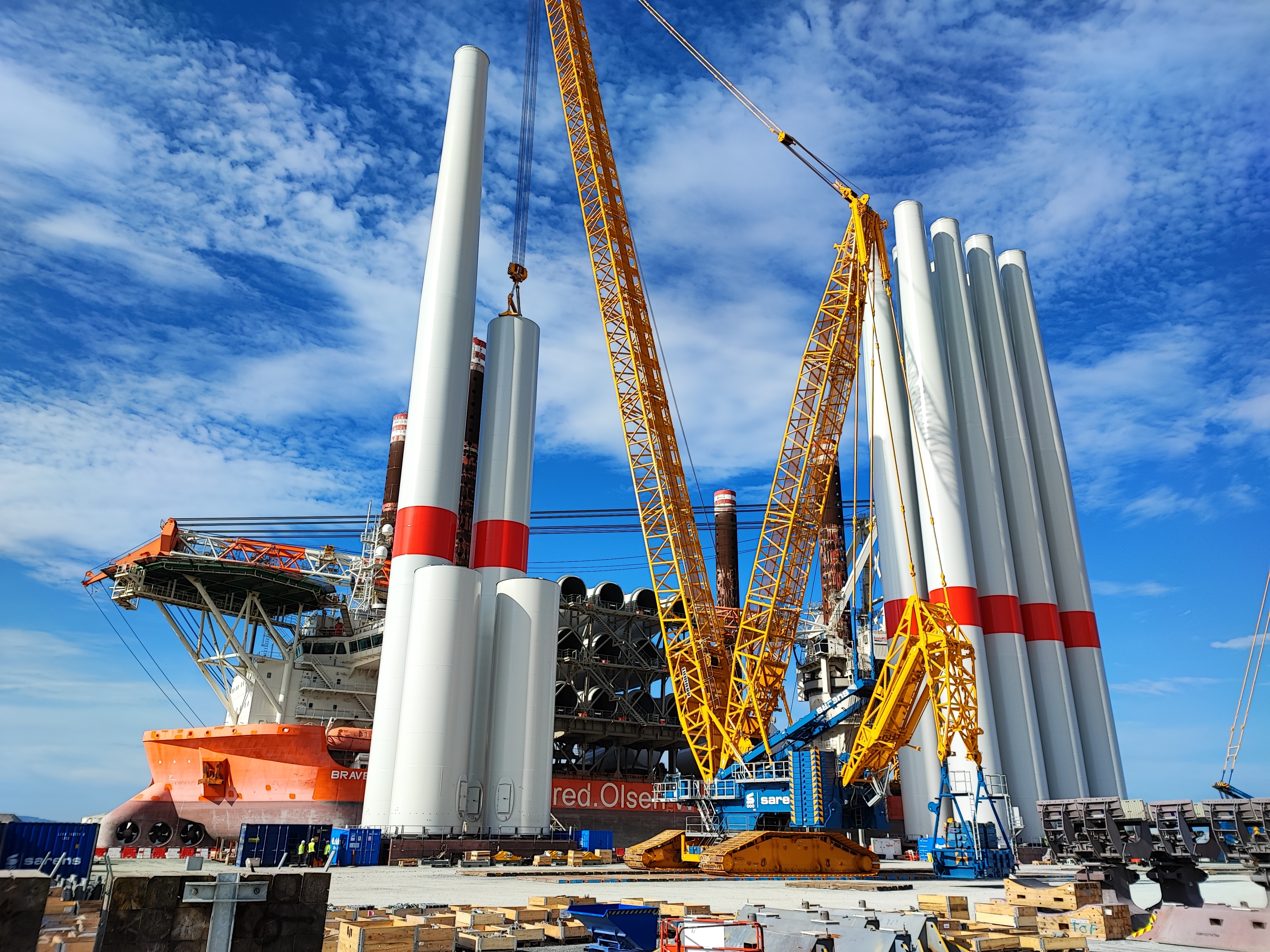
The Netherlands has built its offshore wind sector quickly. Now rising costs, uncertain electricity demand and grid constraints are making the next phase harder. The Dutch experience could offer lessons for other offshore wind markets.

A wind tender with no applicants sends a clearer message than another ambitious capacity target. When the Dutch Nederwiek I-A tender closed in October 2025 without a single application, it exposed the distance between government plans and the projects that developers could justify building. The site offered room for approximately 1 GW of offshore wind. The commercial proposition attracted nobody.

For a country associated with subsidy-free offshore wind, that was an uncomfortable result. It also makes the Netherlands particularly relevant to the wider industry. Its experience raises questions that other European markets face: how much risk can developers absorb, who pays for the supporting infrastructure and what happens when electricity demand develops more slowly than expected?

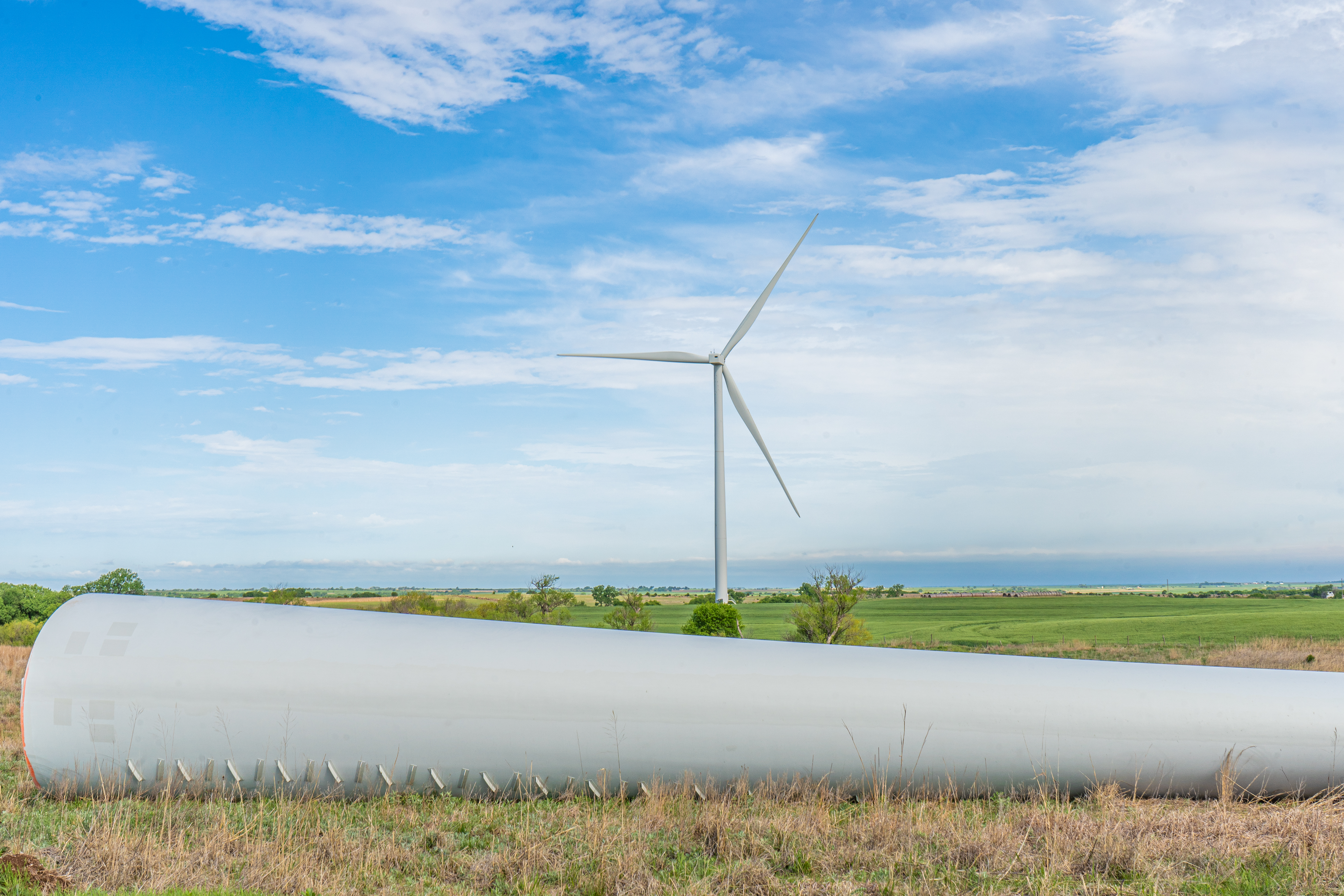
The Dutch wind sector remains substantial. Provisional Statistics Netherlands figures put installed capacity at approximately 7 GW onshore and 4.7 GW offshore at the end of 2025. These are different markets with different constraints, but both now need more than ambitious deployment plans to keep moving.

The limits of subsidy-free wind

The Netherlands’ earlier offshore tenders helped establish the idea that wind farms could proceed without direct generation subsidies. However, ‘subsidy-free’ never meant that developers independently financed every part of the system. Under the Dutch model, TenneT was responsible for offshore grid connections, while government organised site preparation and licensing.

 Download full article