For most of onshore wind’s history, the engineering decisions on a wind farm sat with whoever held the risk. As full-scope contracts fall away and revenues tighten, those decisions are landing with owners.
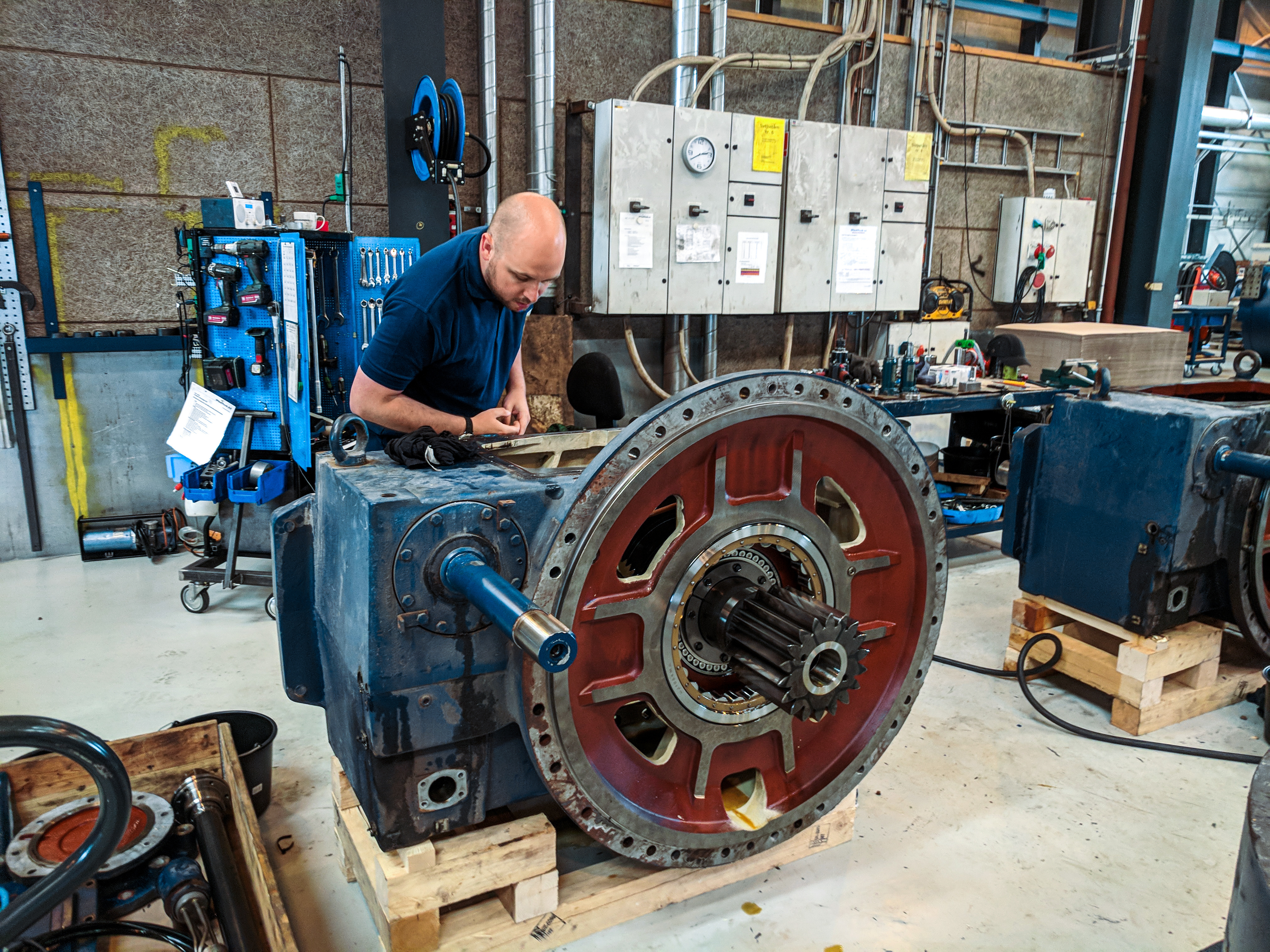
The recommendation arrives on page 14 of a quarterly service report. Condition monitoring on turbine 7 has shown a rising signature on the gearbox high-speed shaft bearing for eight months, and a borescope inspection has confirmed spalling on the outer race. The service provider recommends a full gearbox exchange in next summer’s low-wind season. The quote is attached. Under the new partial-scope contract, the owner pays.
In many cases a quote like this is approved with little challenge. Nobody doubts the bearing is damaged, and nobody on the owner’s side has the time or the specialist knowledge to ask whether an up tower bearing replacement, or another year of monitoring, would do the job. The difference between those options can run to hundreds of thousands of pounds.
For most owners, this used to be someone else’s decision. Then the market changed.
How the risk moved
Maintenance still usually comes with a new turbine, and manufacturers work hard to tie owners into long-term agreements. For most of the industry’s history those agreements were full scope: they covered the major components and guaranteed availability. If a gearbox failed, the manufacturer replaced it at their cost.
Download full article