Exclusive Articles

Making storage work beyond solar


Published in: Wind, Ask the Experts, Exclusive Articles
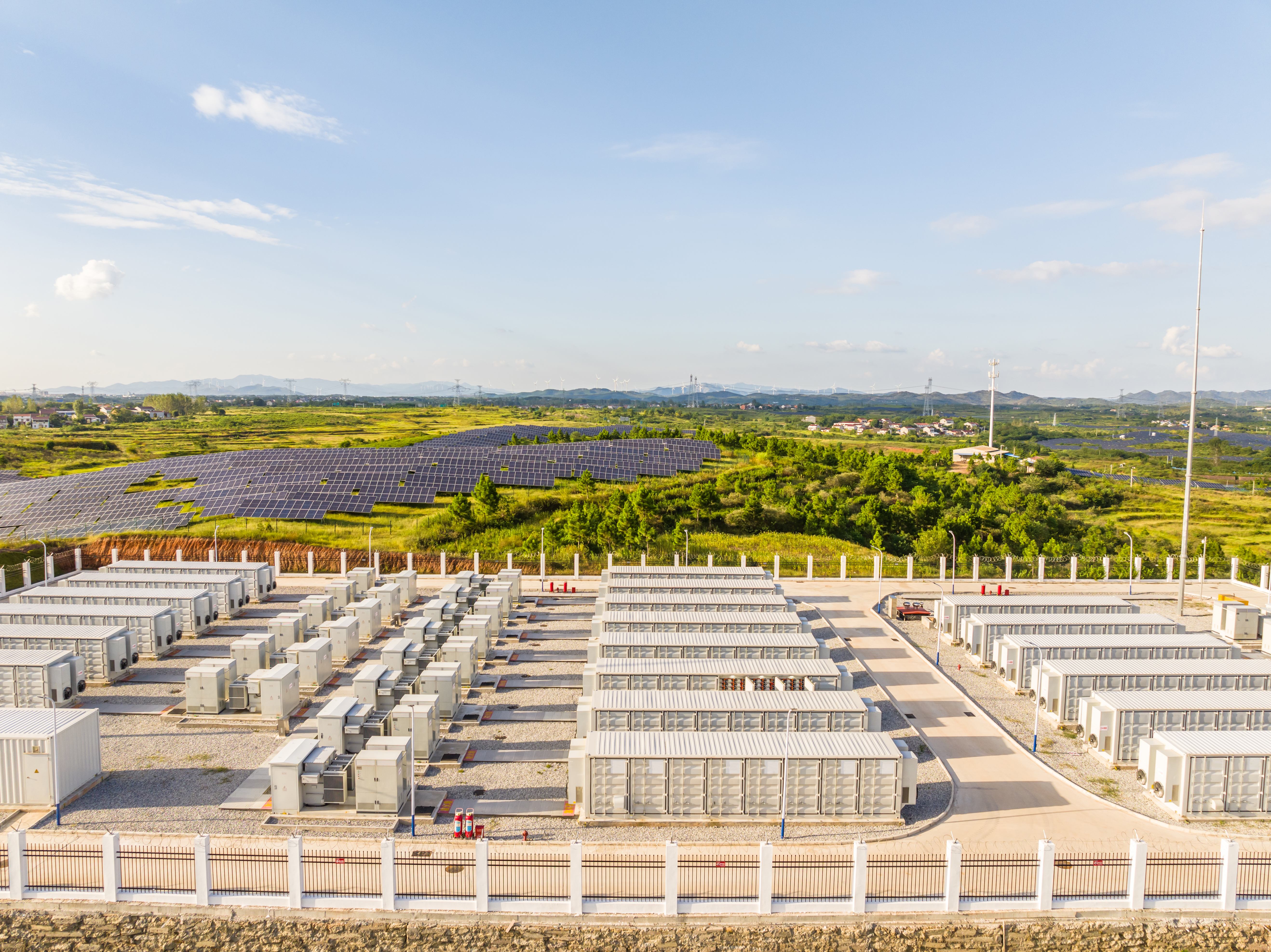

Making storage work beyond solar image

As battery energy storage systems become increasingly important to renewable energy projects, developers are looking more closely at how storage can reduce curtailment, make better use of grid connections and strengthen project economics. Daniel Barandalla, Solar and Storage Advisory Lead EMEA at UL Solutions Renewables, discusses the technical, financial and operational risks that need to be addressed as the market develops.

PES: Welcome to PES Wind, Daniel. How would you characterise the current battery energy storage systems (BESS) market and which developments are having the greatest influence on project design and investment decisions?

Daniel Barandalla: The EMEA (Europe, Middle East and Africa) market is evolving quickly, with new initiatives and regulations helping to unlock investment and accelerate the deployment of energy storage. This is strengthening grid resilience, supporting the integration of renewable energy and contributing to grid stability and energy security.

Regulatory certainty, project bankability and more diverse revenue streams, including energy arbitrage, ancillary services, capacity mechanisms and grid support, are important drivers.

As battery costs continue to fall, adoption is expected to accelerate, while greater attention is being paid to equipment selection, warranty structure, degradation behaviour, cybersecurity and fire safety.

Initiatives such as the EU Digital Battery Passport, due to take effect in 2027, will also increase the focus on battery traceability, sustainability and compliance.

 Download full article