Exclusive Articles

Lifting keeps wind turbines turning


Published in: Wind, Talking Point, Exclusive Articles

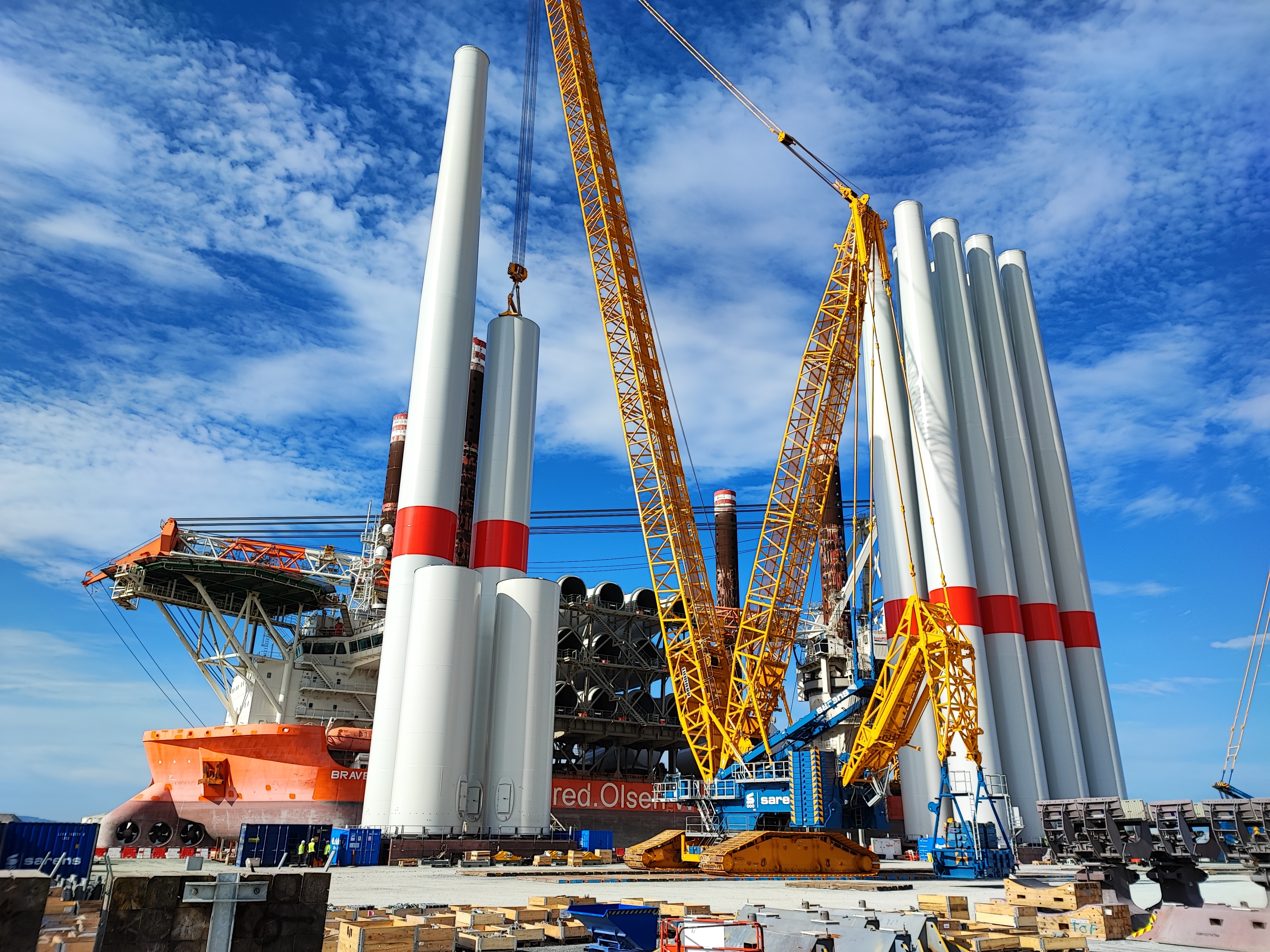
Lifting keeps wind turbines turning image

As the global wind industry continues to expand, safe and reliable lifting operations are essential at every stage of a turbine’s life. Competent personnel, regular inspection and high standards of lifting equipment are critical to maintaining safety, minimising downtime and keeping turbines turning.

According to the Global Wind Energy Council (GWEC), 28,395 wind turbines were installed across 57 countries in 2025, adding a record 165 GW of capacity, 40% more than in 2024, which was also a record year. Wind power now generates electricity in 138 countries. By the end of 2025, global installed wind capacity had reached 1,299 GW, with GWEC projecting average annual growth of 5.2% in new installations from 2026 to 2030.

This expansion depends on the lifting industry at every stage, from manufacture and installation to inspection, maintenance, refurbishment and eventual decommissioning. With turbines designed for an operating life of around 25 years, reliable lifting equipment and competent personnel are essential to limiting downtime and maintaining safe operations.

Lifting and lashing requirements differ across tower production, load securing during transport, installation, maintenance and refurbishment. Chains, shackles, slings, clamps, lifting points and anchorage points must be selected for the task and, particularly offshore, withstand a demanding operating environment.

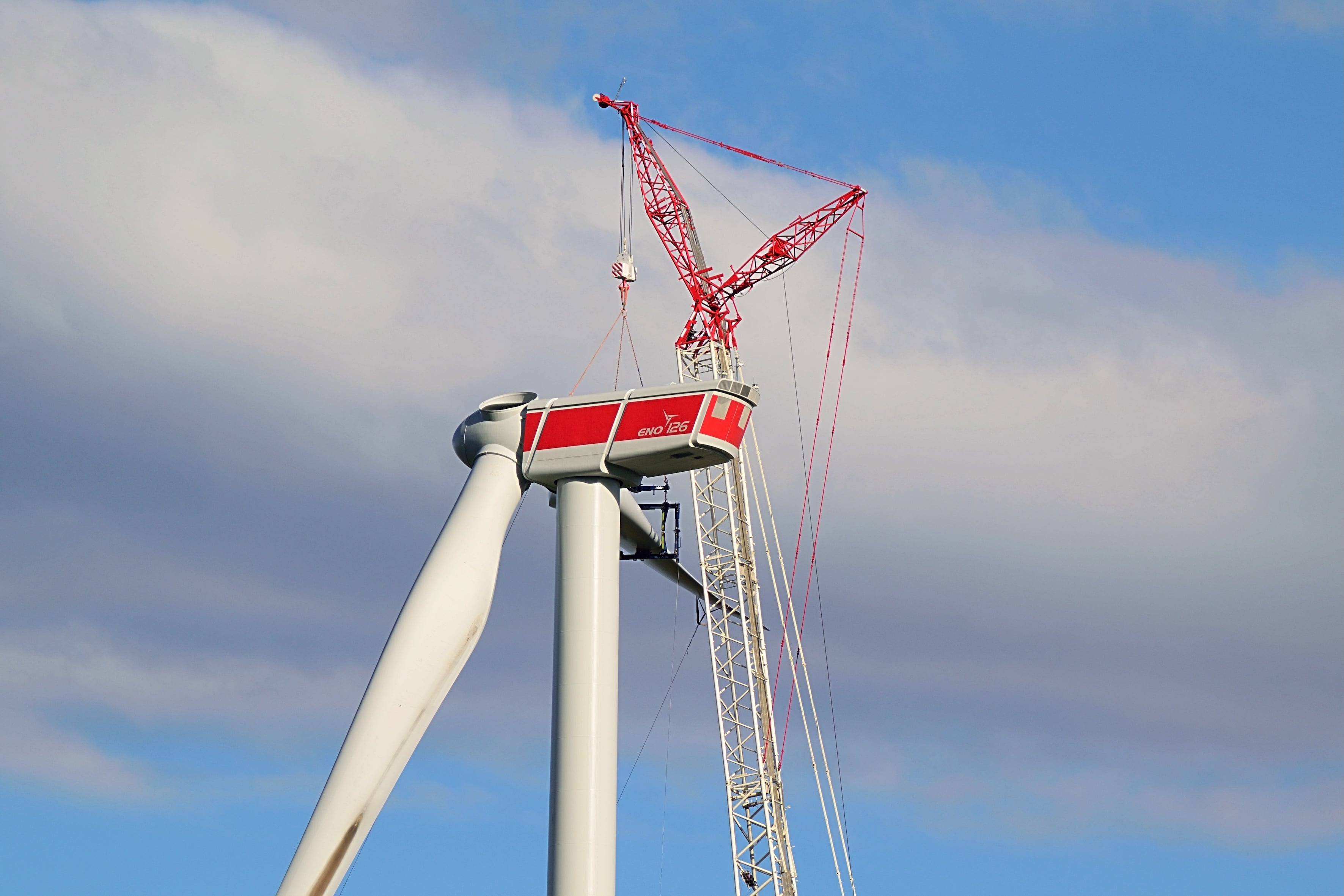
A wind turbine comprises a nacelle, a hub that typically carries three blades and a tower. Onshore towers may be made of concrete, while offshore towers are generally steel and supported by fixed or floating foundations.

 Download full article