Exclusive Articles

Extending inspection beyond human reach


Published in: Wind, Exclusive Articles, Industrial Insight

Extending inspection beyond human reach image

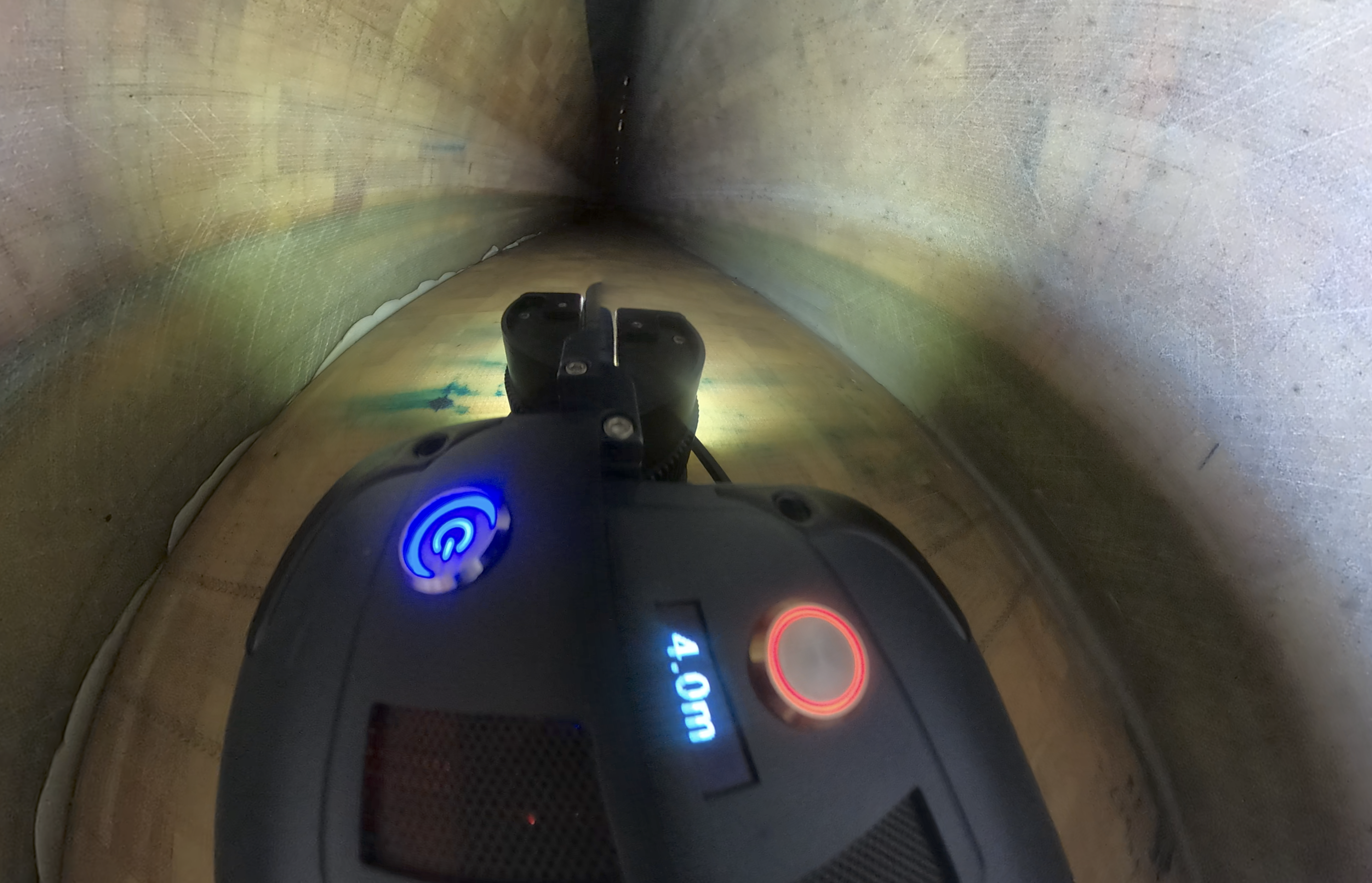
Robotics is transforming how wind turbine blades are inspected from the inside out, giving operators safer access to hard-to-reach structures and the evidence needed to move from reactive repairs to proactive maintenance.

Wind turbine blades are becoming longer, more structurally complex and more valuable to the performance of every project. At the same time, operators are under growing pressure to extend asset life, minimise lost production and make maintenance decisions using better evidence. These objectives have made blade inspection a strategic activity rather than a simple compliance exercise. Yet one area remains particularly difficult to assess consistently: the internal structure of the blade.

External inspections using ground-based cameras, drones or rope access teams have advanced rapidly and provide essential information about leading-edge erosion, lightning damage, surface cracks and coating condition. However, the most important load-carrying structures are located inside the blade. Adhesive joints, shear webs, spar caps, internal laminates, root transitions and local reinforcements can develop defects that are not visible from outside.

A blade may therefore appear acceptable externally while an internal anomaly is progressing. As operators increasingly focus on life extension and maximising asset availability, understanding the condition of internal blade structures is becoming just as important as monitoring external damage.

 Download full article