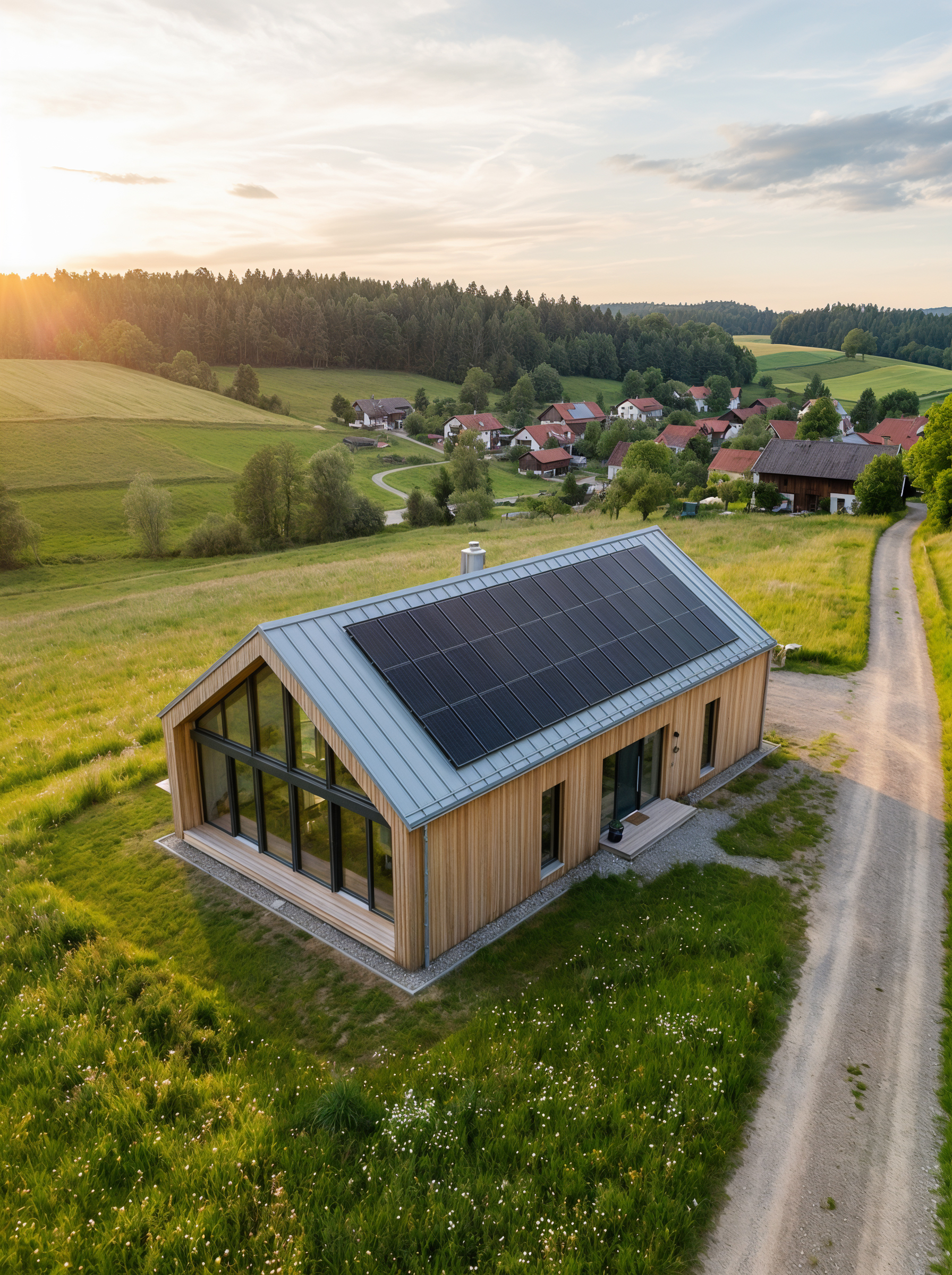
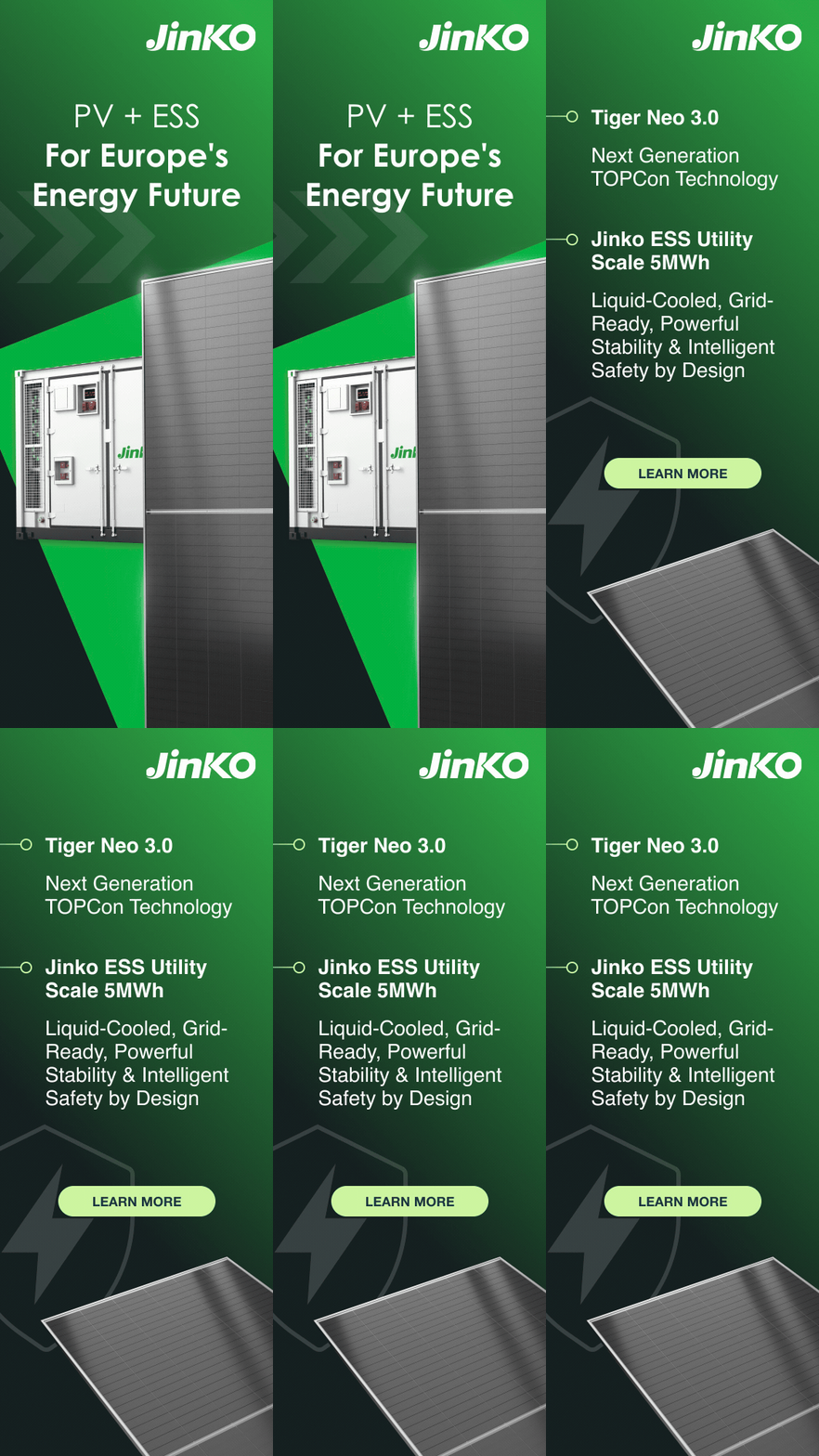
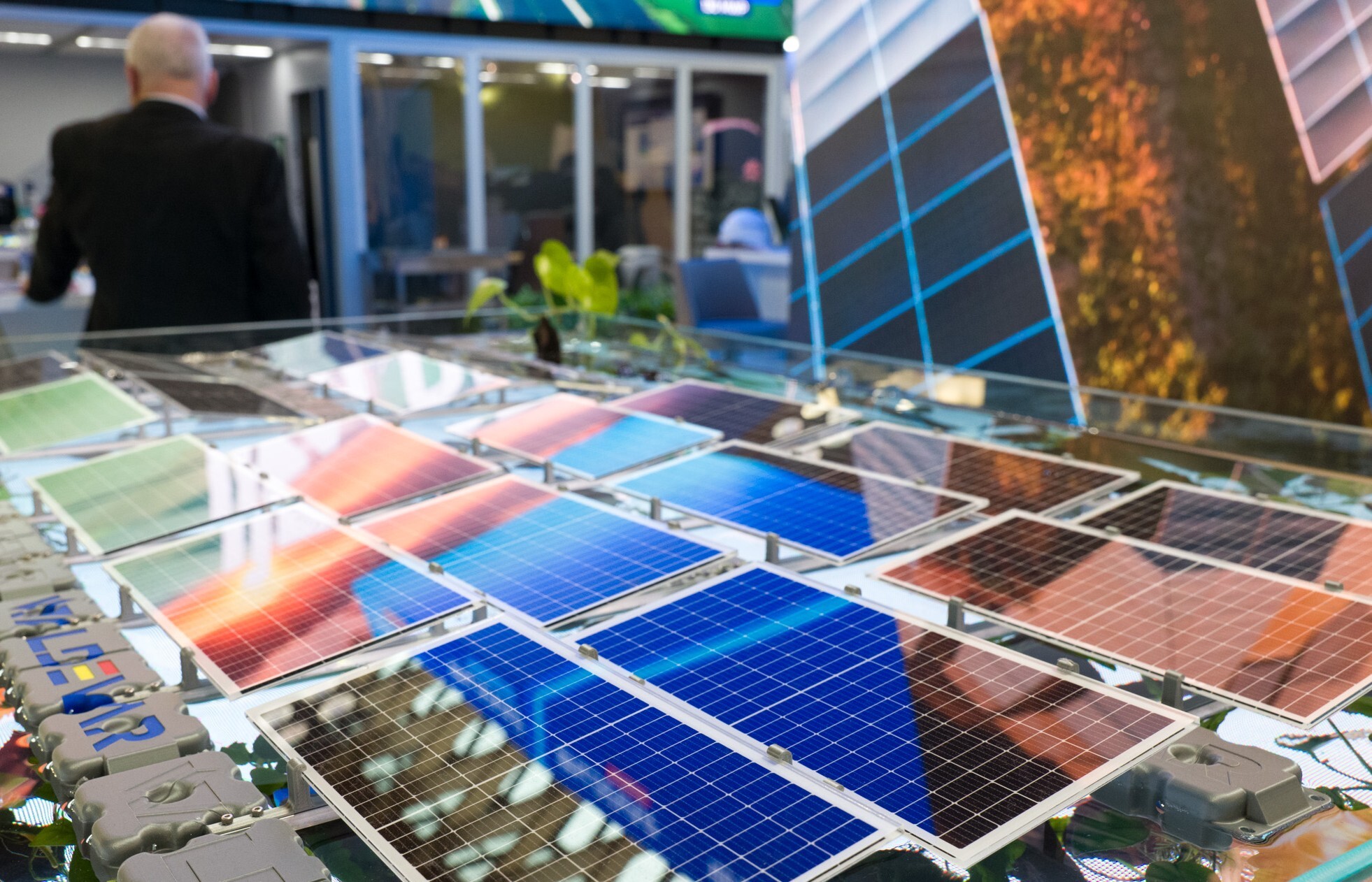
As residential solar becomes a core element of household energy systems, performance under real-world conditions matters more than headline power ratings. JinkoSolar’s Tiger Neo 3.0 applies advanced N-type TOPCon technology and residential-focused engineering to deliver higher usable energy yield, improved shading resilience and predictable long-term performance on real rooftops.
Rooftop solar is entering a new phase. Rising electricity prices, electrification of heating and transport and the growing role of home energy storage are reshaping expectations for rooftop PV. Solar is no longer an optional add-on, but a core element of household energy infrastructure. As expectations rise, residential solar modules must generate consistently under variable weather, cope with partial shading and maintain predictable performance over decades.
In this context, homeowners no longer evaluate solar purely on peak output. They expect systems to deliver reliable energy across seasons, perform consistently under changing weather conditions and retain value over decades. Solar must work seamlessly with storage systems, support higher and more variable loads and provide confidence that today’s investment will remain relevant as energy demand grows. These shifts are reshaping the way residential modules are designed, selected and judged.
These requirements have driven the development of JinkoSolar Tiger Neo 3.0, a residential-focused module platform built around advanced N-type TOPCon technology. More than an incremental update, Tiger Neo 3.0 represents a structured technical evolution, designed specifically for the realities of residential rooftops.
Download full article