Exclusive Articles

Beyond Class A: understanding PV module fire performance


Published in: Solar, Talking Point, Exclusive Articles
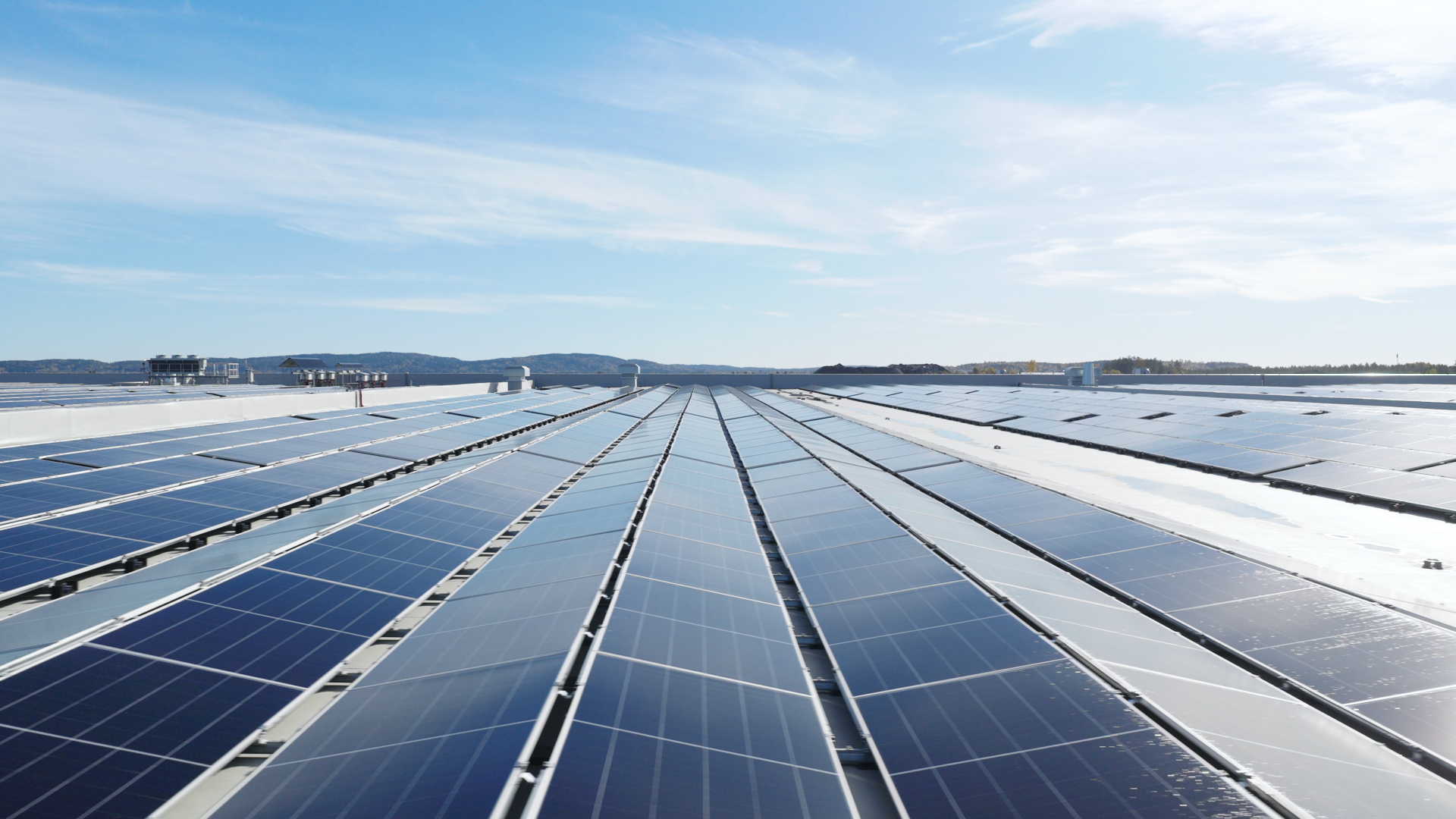

Beyond Class A: understanding PV module fire performance image

A Class A fire designation carries considerable weight when photovoltaic (PV) modules are specified for rooftops. It can be taken as an indication of the highest level of fire safety. The technical meaning is narrower.

Fire classifications are tied to defined standards, test methods and acceptance criteria. They establish how a product performed under specified conditions. They do not necessarily describe every aspect of its behaviour in a fire, nor do they establish that two products carrying the same classification will respond identically.

That distinction is becoming increasingly relevant as PV moves onto buildings where the consequences of fire extend well beyond the solar installation. Warehouses contain valuable inventory, factories depend on uninterrupted production and hospitals, data centres and other critical facilities have particularly low tolerance for disruption.

For developers, asset owners and specifiers, the question is therefore not only whether a module carries a Class A designation, but how much that rating reveals about its fire performance compared with another module carrying the same classification.

The answer starts with understanding what Class A actually tests.

What Class A establishes and why it does not always mean the same thing

‘Class A’ is not a universal description of fire safety. Fire classifications are tied to specific standards and test methods, and those standards assess different aspects of fire behaviour. Two products carrying a Class A designation may therefore have been tested for different risks.

 Download full article