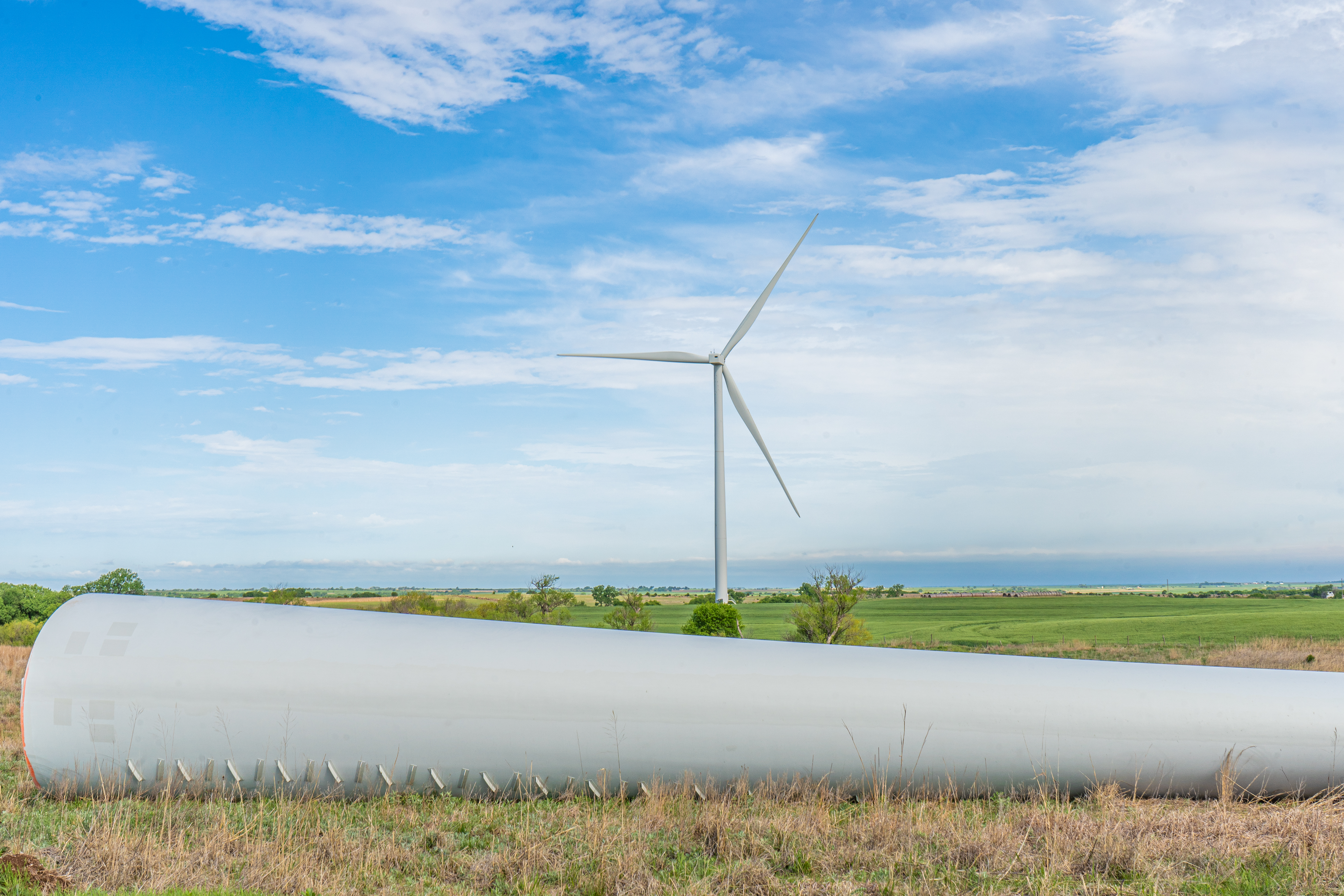
As the first generation of utility-scale wind farms reaches the end of its design life, the industry faces a question it has long deferred: what happens to a turbine once it is on the ground? The answer is more encouraging than the headlines suggest, but some of the hardest problems remain unsolved.
Wind energy has long focused on taller towers, longer blades and bigger nameplate ratings. Now, attention is shifting to what happens when turbines come down. Turbines installed in the late 1990s and 2000s are reaching the end of their design lives of 20 to 25 years, and many more are being retired early through repowering, where older machines are replaced by fewer, larger and more productive units on the same site.
Decommissioning is no longer an exception. It is becoming a routine phase of the asset life cycle, producing a growing flow of steel, concrete, copper, composites and electronics that must go somewhere. How that material is handled will shape both the economics of repowering and the credibility of wind as a genuinely sustainable technology.
The volume of material to come
Estimates vary, but the direction does not. European industry bodies project tens of thousands of tons of blade material coming out of service each year this decade, rising sharply through the 2030s. In the United States, thousands of turbines from the early-2000s build-out are entering the decommissioning and repowering window. One widely cited academic study puts cumulative global blade waste at more than 40 million tons by 2050.
Download full article