Justin Kolbe, Director of Marketing Strategy for Henkel’s Power Conversion and Industrial Automation Division, talks to PES about the current status of renewable energy. What are the key drivers in power conversion and energy storage that make alternative energy both economically viable and practical for widespread implementation, especially in the solar and electric vehicle sectors?
PES: Welcome back to PES Justin. It’s great to catch up with Henkel and get your view on things. Perhaps a good place to begin would be to ask, what is the current situation when it comes to renewable energy?
Justin Kolbe: Extracting power from alternative energy sources not only addresses the objective of sustainability, but also significantly increases the amount and extends the availability of power to serve global needs, even in areas where there is limited infrastructure. Driving up the efficiency of power networks is key to harnessing as much energy from the source as possible.
Alternative energy sourced from solar and wind farms, as well as hydroelectric and geothermal power plants, is revolutionising the global energy landscape with cleaner and more sustainable solutions. At the heart of these environmentally friendly solutions are advanced electronics that capture and convert energy into usable electricity, state-of-the-art batteries that store this energy for future use when needed, and innovative materials that enhance safety, reliability and efficiency.
Currently, a significant challenge to the successful implementation of alternative energy systems is the development of adequate battery storage capacity, particularly within the solar energy and electric vehicle (EV) sectors.
PES: Battery storage is important for the future success of solar and EV, why is that the case?
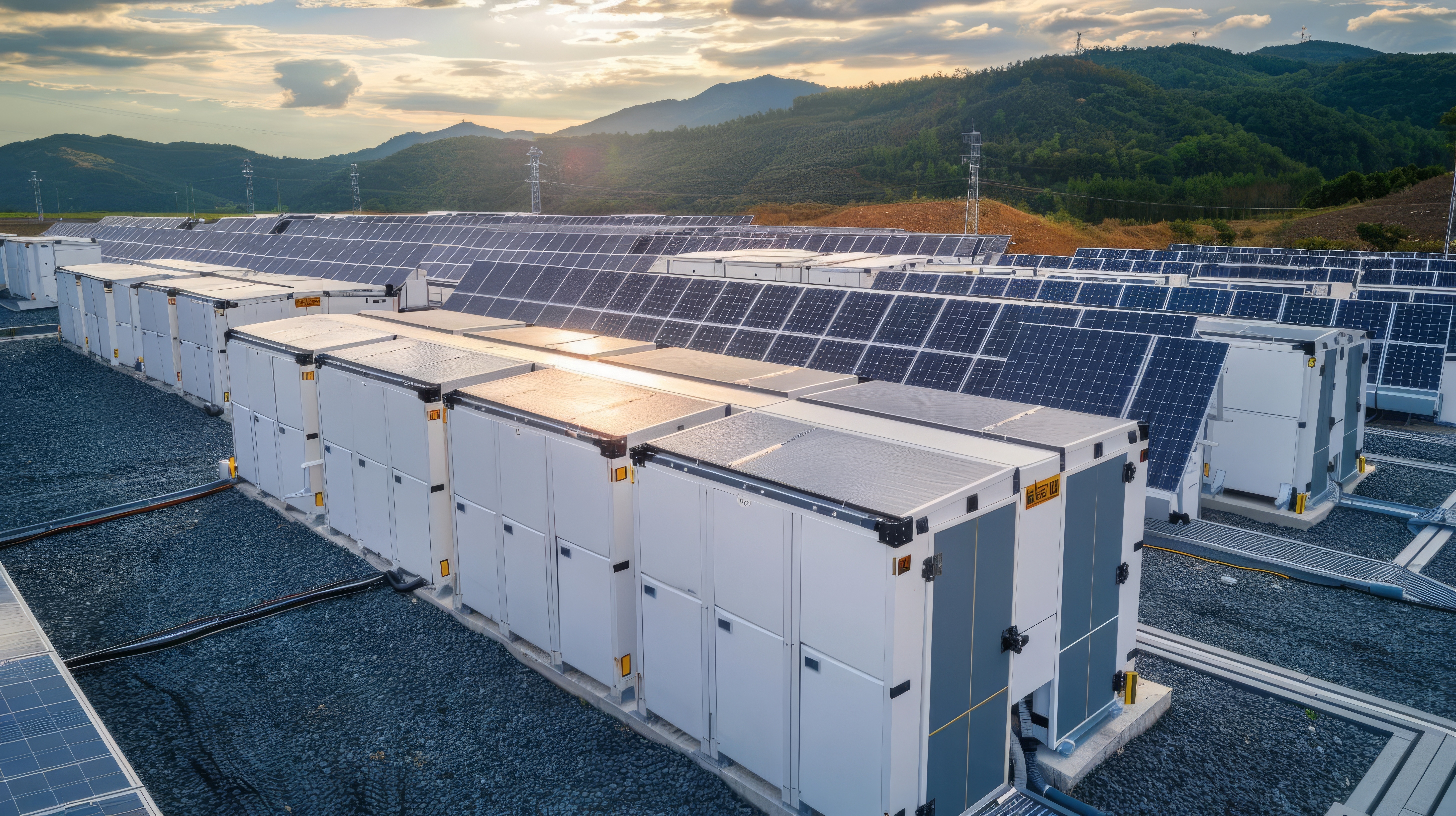
JK: Energy storage is a key component in most alternative energy systems, but it is fundamental to solar energy because the sun isn’t always shining. Energy derived from sunlight can only be generated intermittently, producing power during the day, and none at night. Weather events and cloud cover can also diminish solar energy production. To address these issues, solar systems are often paired with batteries that allow the energy to be stored as it is generated and discharged at times when it is needed most.
Most of the energy produced by solar arrays is transmitted to local electric grids. Surplus solar energy is bought and sold to offset the demands for electricity on the grid. Utility companies are continually working to balance supply and demand, a challenge made worse by the prevalence of aging grid infrastructure and inadequate energy storage capacity. These vulnerabilities most often become apparent during extreme weather events, causing power outages that cost customers billions of dollars each year.
At the same time, the rising popularity of electric vehicles (EVs) has intensified the need for electricity. EV charging creates a concentrated and sustained pull of electricity from the grid. The growing prevalence of EVs is a significant factor that places stress on the grid, contributing to imbalances in supply and demand, particularly when EV owners charge their vehicles during peak demand hours.
To alleviate stress on the grid, EV owners can charge their vehicles at night when demand is low. Additionally, installing solar systems with backup batteries can mitigate spikes in their energy consumption, proactively assisting with grid management. Economics can also play a role. Solar energy is a precious resource that gains additional value when it is efficiently stored. During periods of high energy demand, stored energy can be sold to the electric grid at a premium.
The ability to store solar energy is crucial for ensuring a consistent flow of electricity to the general public. Governments and local authorities have begun to take action, making investments to increase energy storage capacity.
PES: Advancements have been made to enhance the economic viability of alternative energy systems and pave the way for widespread adoption, haven’t they?
JK: Improvements in energy conversion efficiency and reliability have been key to making alternative energy economical and practical. Designers in this field have taken a proactive approach. Not only are they rapid ASK THE EXPERTS adopters of new innovations, but they are the key when it comes to optimising new technologies, making them more efficient and cost-effective to produce. This keeps the alternative energy sector at the leading edge of power generation and energy storage technologies, expanding the boundaries efficiency and reliability.
For example, if we consider high-power semiconductor components, such as MOSFETs used in power inverters, which convert direct current (DC) electricity into useable alternating current (AC) electricity, engineers in the renewable energy sector were among the first to adopt MOSFETs based on gallium nitride (GaN) and silicon carbide (SiC).
These wide bandgap semiconductor materials offer superior mechanical and electrical properties and are revolutionising power conversion efficiency. Furthermore, these advanced semiconductor materials enhance MOSFET reliability, and are capable of withstanding the extremely high temperatures characteristic of high-power, high-voltage energy systems, setting them apart from similar devices based on traditional silicon.
Thermal management is critical for energy storage. Lithium-ion batteries, the preferred solution for EV, due to their high energy density and rapid charging and discharging abilities, generate substantial amounts of heat and must be meticulously designed to control operating temperature.
To manage temperature, innovative solutions such as smart sensors capable of shutting down overheating battery cells, state-of-the-art liquid cooling systems, and advanced thermally conductive assembly materials have been integrated into EV battery designs. These thermal management measures not only enhance battery efficiency and extend battery life, but also mitigate the risk of thermal runaway, a hazardous situation with significant safety implications.
Alternative energy systems often operate in harsh environments ranging from extremely hot and dry to bitter cold and dusty. Electronic components within solar power inverters, for instance, face extreme temperature fluctuations, dust, insects, rain, sleet, snow and humidity. Each of these elements can cause damage that impedes the efficiency and reliability of the system.
To safeguard sensitive components and ensure reliable performance, advanced assembly materials such as adhesives, gaskets, sealants, coatings and thermal interface materials (TIMs) are employed. These protective materials enable these power devices to consistently fulfill their roles, even in the harshest environments, delivering energy precisely when and where it is needed.
PES: That’s the story so far, but what future trends do you see for power conversion and energy storage technologies?
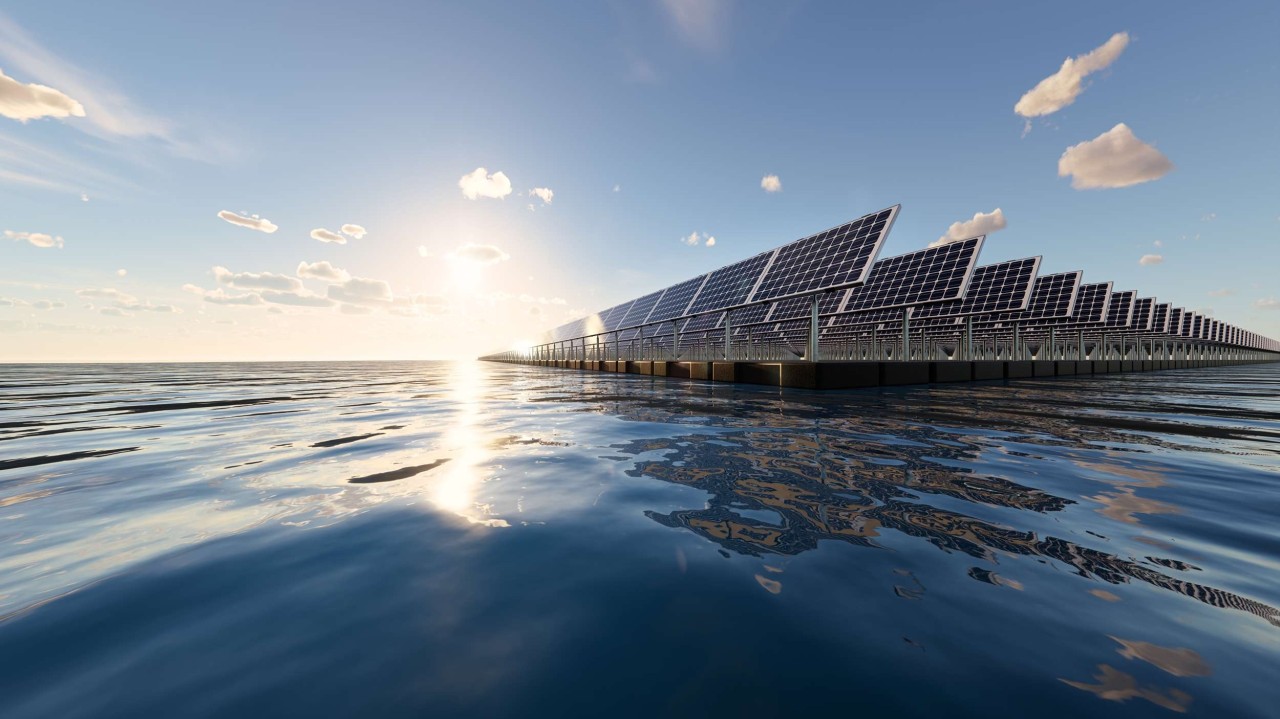
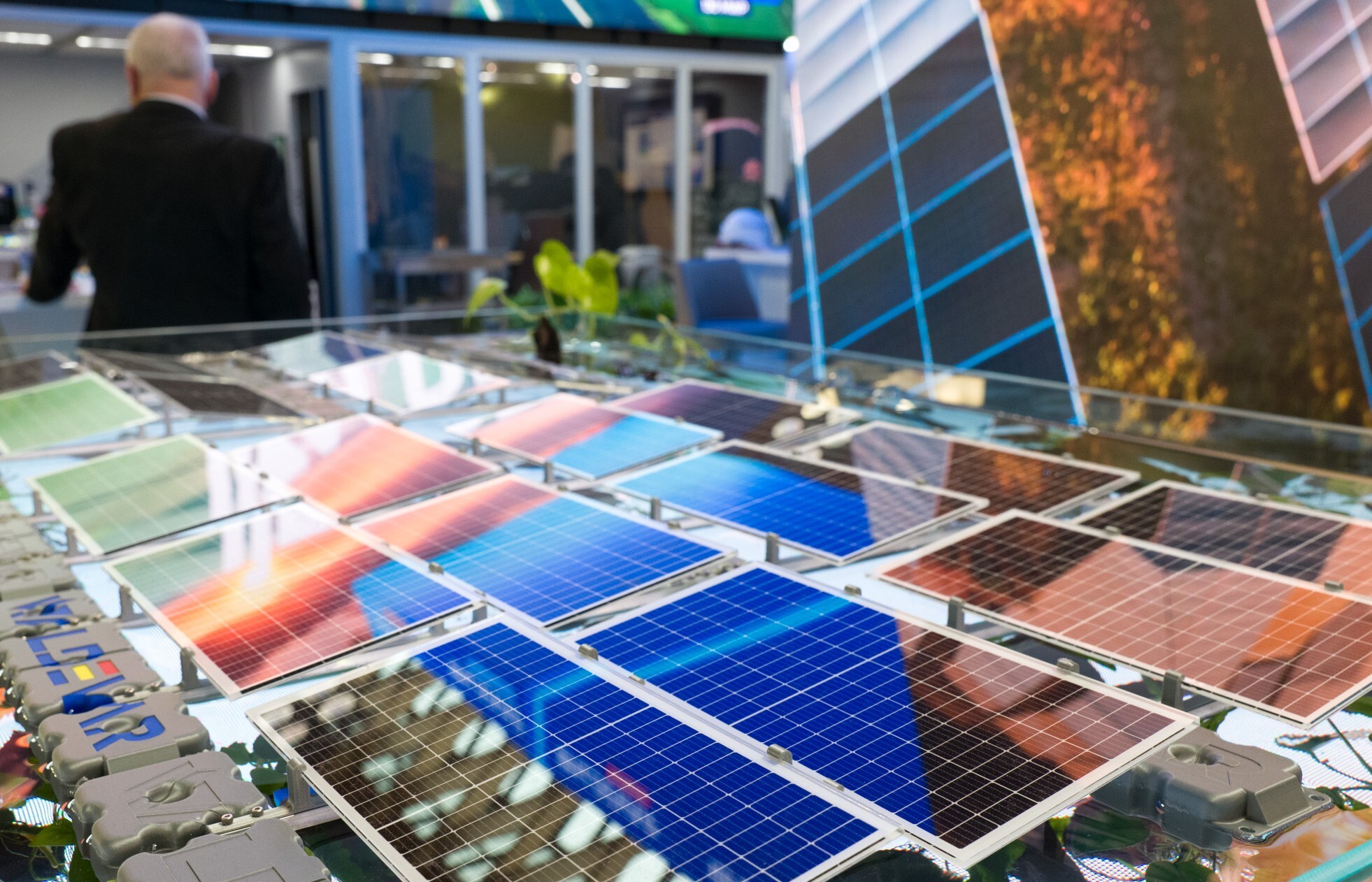
JK: The alternative energy sector is poised for ongoing innovation, as government grants and private and corporate investments continue to support research and development initiatives. This support extends to diverse projects, ranging from floatovoltaics; solar panels that float on water, to supercapacitors capable of rapid charging and discharging within seconds.
The long-term future holds promise for significant transformations in this field.
In the near future, electric grid infrastructure is an area where we expect to see more investments to improve grid resilience and stability. The increasing prevalence of EVs is anticipated to impose greater demands and stress on the grid. Consequently, there is a growing need for increased stationary energy storage capacity to meet these challenges. It remains to be seen whether energy storage will continue to favor liquid lithium-ion batteries, or if solid lithium-ion batteries will emerge as the new standard of excellence.
Certainly, there is a lot of room for innovation in energy storage with rechargeable batteries such as sodiumion, lithium-sulfur and flow batteries which promise to be more robust to temperature excursion.
PES: How does Henkel support the alternative energy sector?
JK: We collaborate with designers and manufacturers of alternative energy systems, helping them realise their efficiency, reliability, and manufacturability objectives. Our dedicated chemists and material scientists are committed to developing cutting-edge assembly materials, including adhesives, gaskets, sealants, conformal coatings, and thermal interface materials (TIMs). These materials are formulated to bond, seal and protect critical components.
Whether addressing needs for thermal management or environmental protection, we strive to provide optimal material solutions that make alternative energy systems more efficient, reliable, safe, and affordable.
While our primary focus is helping customers optimise system efficiency, we also assist with safeguarding the system, making sure it functions as it should over the long haul. Our solutions are qualified by numerous leading global manufacturers and provide superior thermal control and reliability for designs in inverters, battery management, and all types of energy storage systems.
Henkel is actively investing in the advancement of environmentally friendly and sustainable assembly materials. Our development portfolio includes isocyanatefree gasketing materials, which not only contribute to a healthier workplace by minimising worker exposures to substances of very high concern (SVHCs), but also utilise renewable carbon-based feedstocks to replace fossil fuel-based polymers.
Additionally, we are in the process of developing ‘debond-on-demand’ materials that promote circularity, repairability, recyclability and reuse at the end of a product’s life. We are genuinely enthusiastic about these sustainability initiatives.