The transition to a sustainable, climate-neutral Europe by 2050—outlined in the European Green Deal—demands transformation across all sectors, including how businesses manage and consume energy. Workplaces are evolving into powerful hubs for sustainability, where renewable energy, smart technologies, and battery energy storage systems (BESS) work together to drive environmental and economic progress.
The Role of Businesses in the Energy Transition
Workplaces are major energy consumers, with electricity use spread across:
- Office buildings
- Industrial equipment
- Transportation and logistics
To reduce carbon footprints and operational costs, businesses must optimize energy consumption and adopt more sustainable practices.
Key strategies include:
- Electrifying operations to move away from fossil fuels
- Deploying renewable energy sources such as solar PV
- Integrating energy storage to maximize efficiency
- Leveraging energy management systems to monitor and optimize consumption
A Holistic Approach to Workplace Electrification
Successful energy transformation requires a combination of technologies and practices. This includes:
- Installing EV charging stations to encourage clean mobility
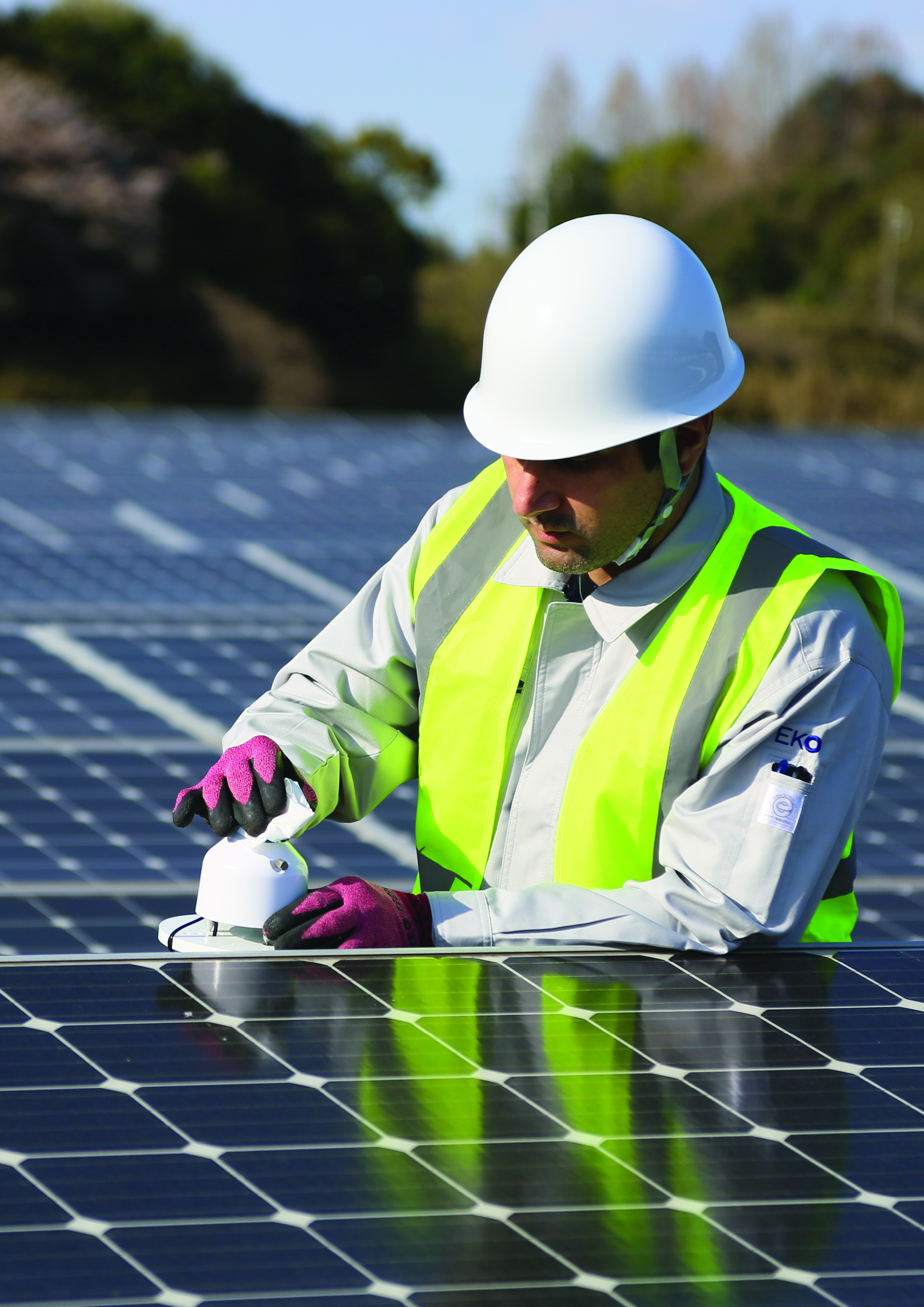
- Deploying rooftop or façade-mounted solar PV systems to generate on-site renewable power
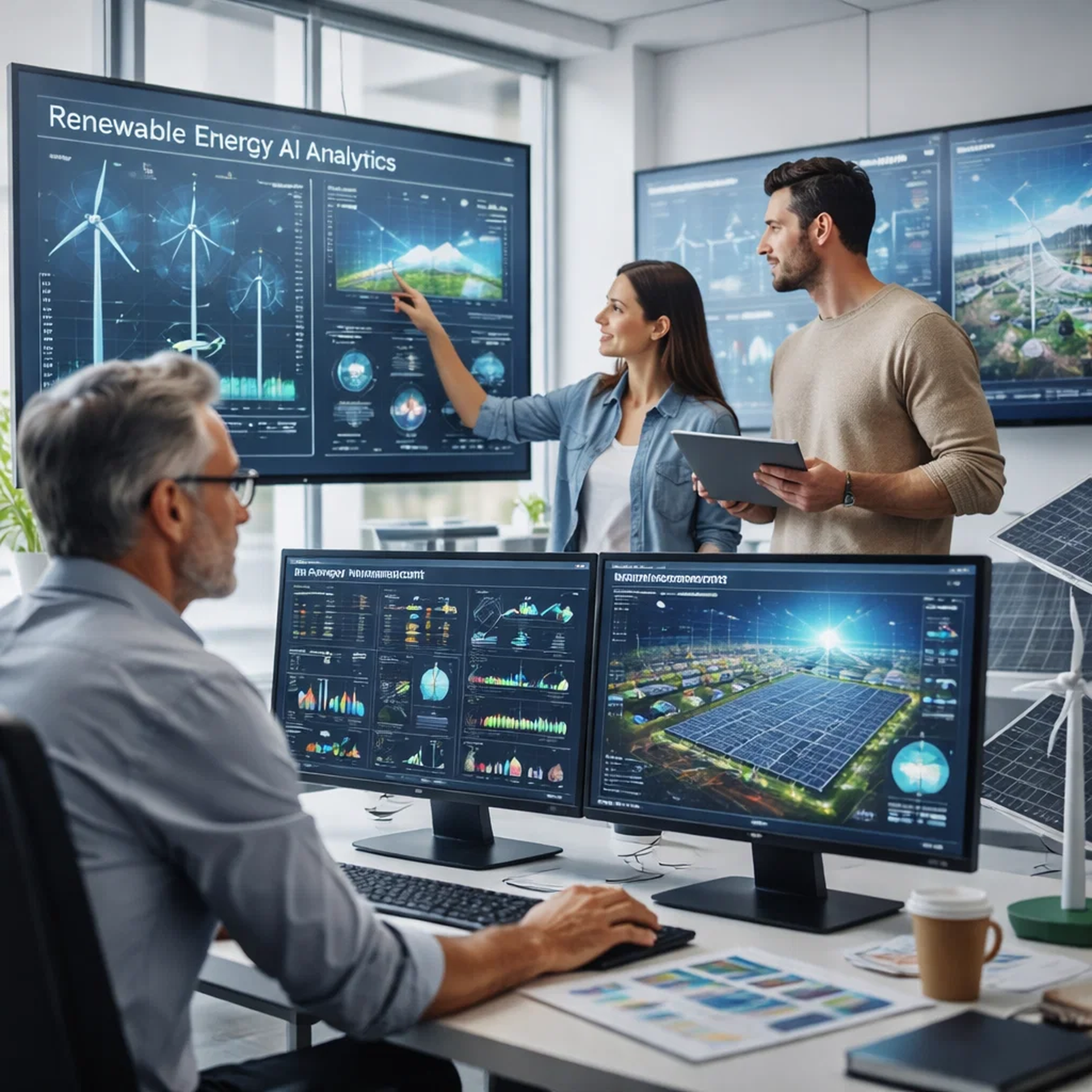
- Using real-time monitoring and predictive analytics to reduce peak loads and improve forecasting
- Participating in demand response programs to align with grid needs and benefit from incentives
- Promoting green building certifications and employee engagement to foster a culture of sustainability
Maximizing Efficiency with Battery Energy Storage Systems (BESS)
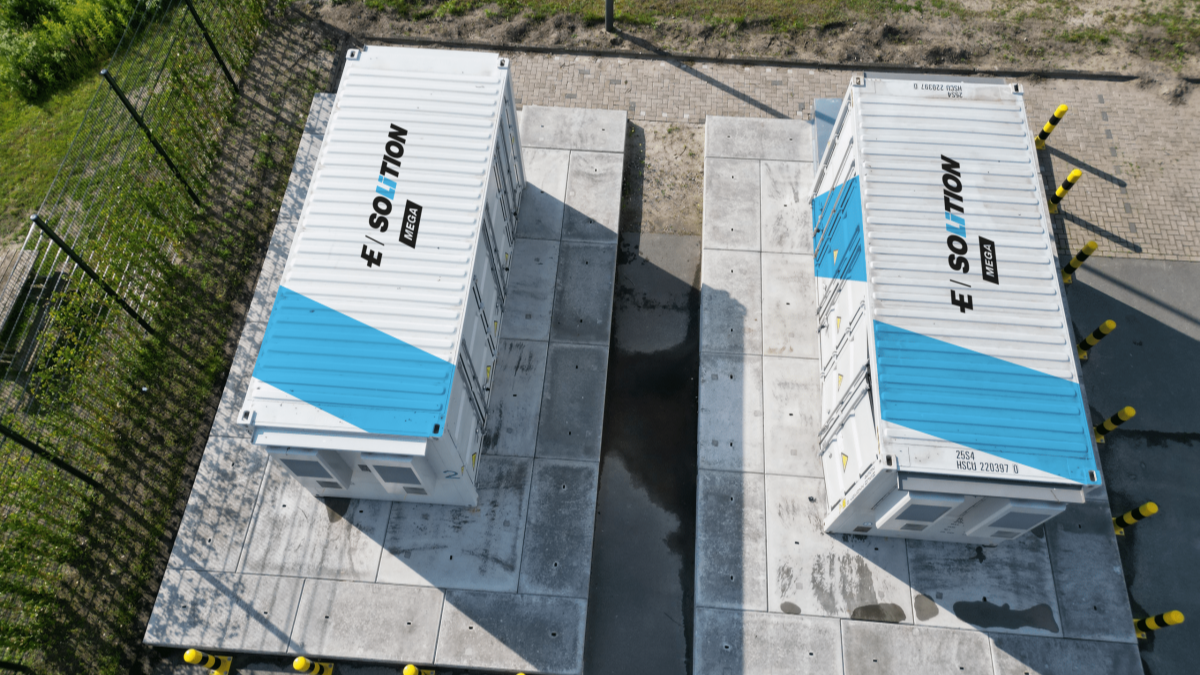
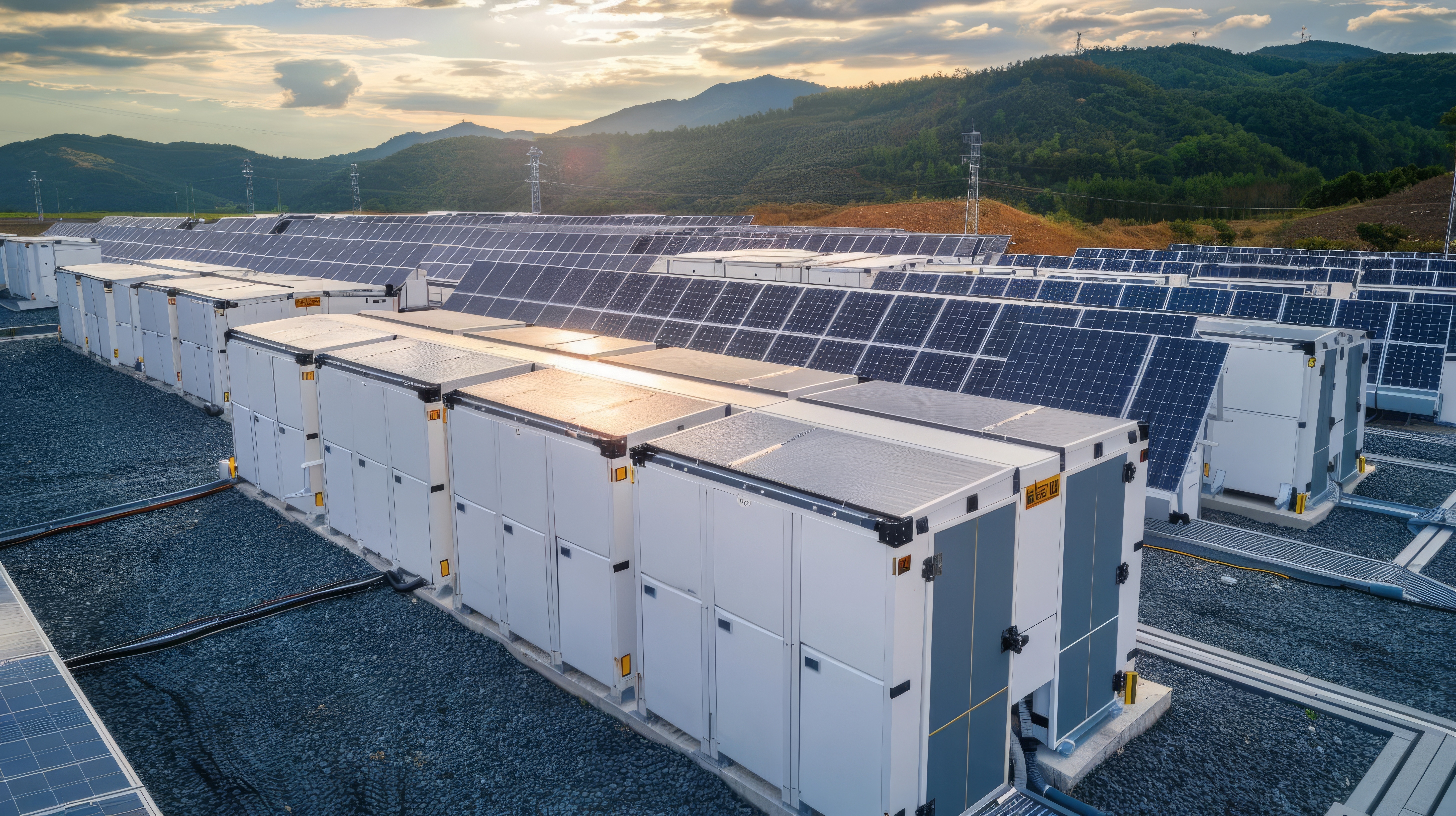
BESS play a crucial role in managing renewable energy and ensuring workplace energy reliability.
Benefits of integrating BESS include:
- Storing surplus solar energy during peak generation for use during high-demand periods
- Reducing reliance on the public grid and minimizing exposure to grid instability
- Enabling peak shaving to lower contracted energy demand and associated costs
- Providing backup power in case of outages, improving operational resilience
- Unlocking participation in energy markets, such as frequency containment reserves (FCR) and congestion management
Smart Energy Management and the Role of Battery Systems
Advanced BESS, equipped with battery management systems (BMS) and data analytics, offer:
- Continuous monitoring of battery health for longevity and safety
- Optimized charging/discharging cycles to improve efficiency
- Predictive insights into energy usage trends and future needs
- Opportunities for energy trading and revenue generation
This integration supports smarter energy decisions and aligns with long-term sustainability goals.
Applications of Smart BESS in the Workplace
Battery storage technology can revolutionize energy strategies across a wide range of industries:
- Energy independence – Enables companies to operate without relying heavily on the grid
- Grid stability – Supports the local grid by storing and releasing energy during fluctuations
- Operational continuity – Provides backup power during outages
- Peak load shaving – Reduces maximum grid draw and related charges
- Localized solar optimization – Stores excess PV energy for later use or community sharing
- Expansion support – Helps businesses grow even where grid capacity is limited
Sustainable Energy in Practice
Businesses that implement integrated systems combining solar PV, BESS, and EV charging infrastructure can:
- Reduce CO₂ emissions
- Improve energy resilience
- Lower operating costs
- Lead by example in their communities
- Comply with emerging regulations and sustainability benchmarks
About Exide Technologies
Exide Technologies is a leading global provider of innovative battery storage solutions for automotive and industrial applications. With over 135 years of experience and a strong European manufacturing and recycling footprint, Exide offers:
- Lead-acid and lithium-ion batteries for various sectors
- Customised energy systems for workplace and industrial needs
- A commitment to sustainability, recycling, and environmental responsibility
- Local supply chains and engineering excellence supporting a low CO₂ footprint
With a team of 5,000 employees and €1.6 billion in energy solutions delivered annually, Exide is helping drive the clean energy transition across Europe and beyond.
Conclusion
Battery energy storage systems are transforming workplaces from passive energy consumers into active participants in the renewable energy ecosystem. By integrating solar power, smart storage, and energy management technologies, businesses can achieve:
- Greater energy autonomy
- Lower operational costs
- Enhanced environmental responsibility
- Increased grid resilience
Exide Technologies delivers the tools and expertise to make this transition possible—paving the way for a more sustainable and efficient future in workplace energy management.
🔗Learn more at: www.exidegroup.com