Solar photovoltaics and battery energy storage systems (BESS) are developing into closely connected parts of the global energy system. Falling costs, growing deployment and electrification are increasing the role of both technologies in electricity generation and grid flexibility.
Intersolar argues that solar’s rapid expansion is now being complemented by storage, which can shift renewable electricity to periods when it is needed and help integrate higher levels of variable generation.
Solar growth continues
Photovoltaics has expanded rapidly since the beginning of the modern solar era around 2000. According to the Global Solar Council figures cited in the feature, it took 68 years to install the first terawatt (TW) of solar capacity, from 1954 to 2022, but only two years to reach 2 TW.
GlobalData estimates that cumulative PV capacity could reach between 4.8 and 7 TW by 2030.
China remains a major driver. SolarPower Europe figures cited in the feature indicate that China accounted for 55 per cent of the 597 GW installed globally in 2024.
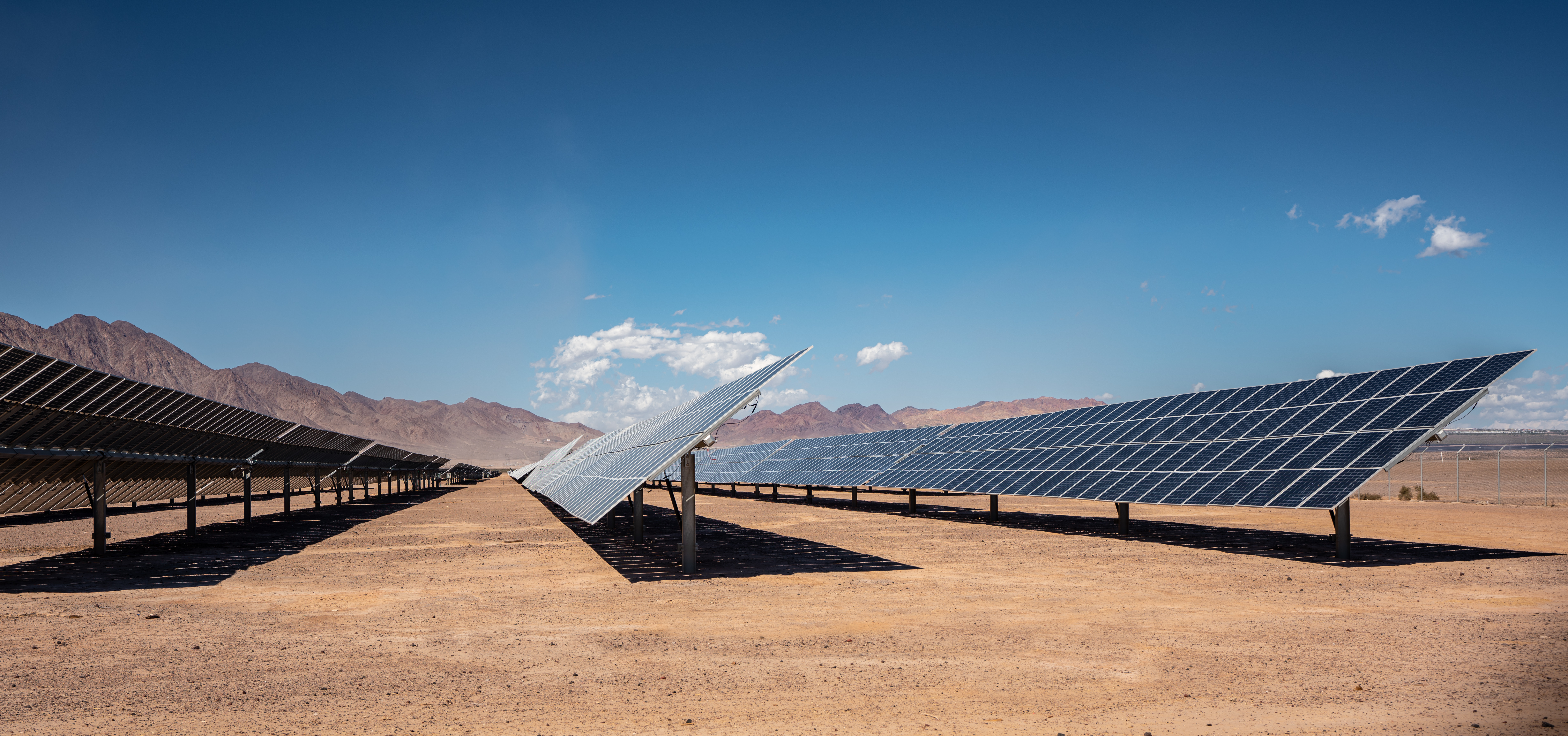
Solar’s decentralised nature is an important part of this growth. Applications now range from utility-scale plants to commercial and industrial rooftops and residential systems, allowing electricity to be generated close to where it is consumed.
Electrification broadens solar’s role
Solar should increasingly be considered as part of a wider energy system rather than simply a generation technology.
Renewable electricity can support the electrification of heating and transport, connecting PV with:
- Electric vehicles
- Heat pumps
- Battery storage
- Commercial and industrial energy systems
- Wider electricity infrastructure
This transition increases the importance of managing when renewable electricity is available.
Storage provides flexibility
BESS can store surplus electricity during periods of high renewable generation and release it when demand rises.
Battery costs have also fallen sharply. International Renewable Energy Agency (IRENA) data cited in the feature puts the cost of utility-scale BESS at $192 per kWh in 2024, a 93 per cent reduction since 2010.
Lithium-iron-phosphate (LFP) and nickel-manganese-cobalt (NMC) batteries currently dominate, while sodium-ion and solid-state technologies continue to develop. Flow batteries, thermal storage, pumped hydro and green hydrogen provide additional options.
Energy shifting has become the main BESS application. According to IRENA figures cited in the feature, it represented 68 per cent of applications in 2024, followed by residential use at 13 per cent, ancillary services at 6 per cent and commercial and industrial applications at 5 per cent.
Combining solar and storage
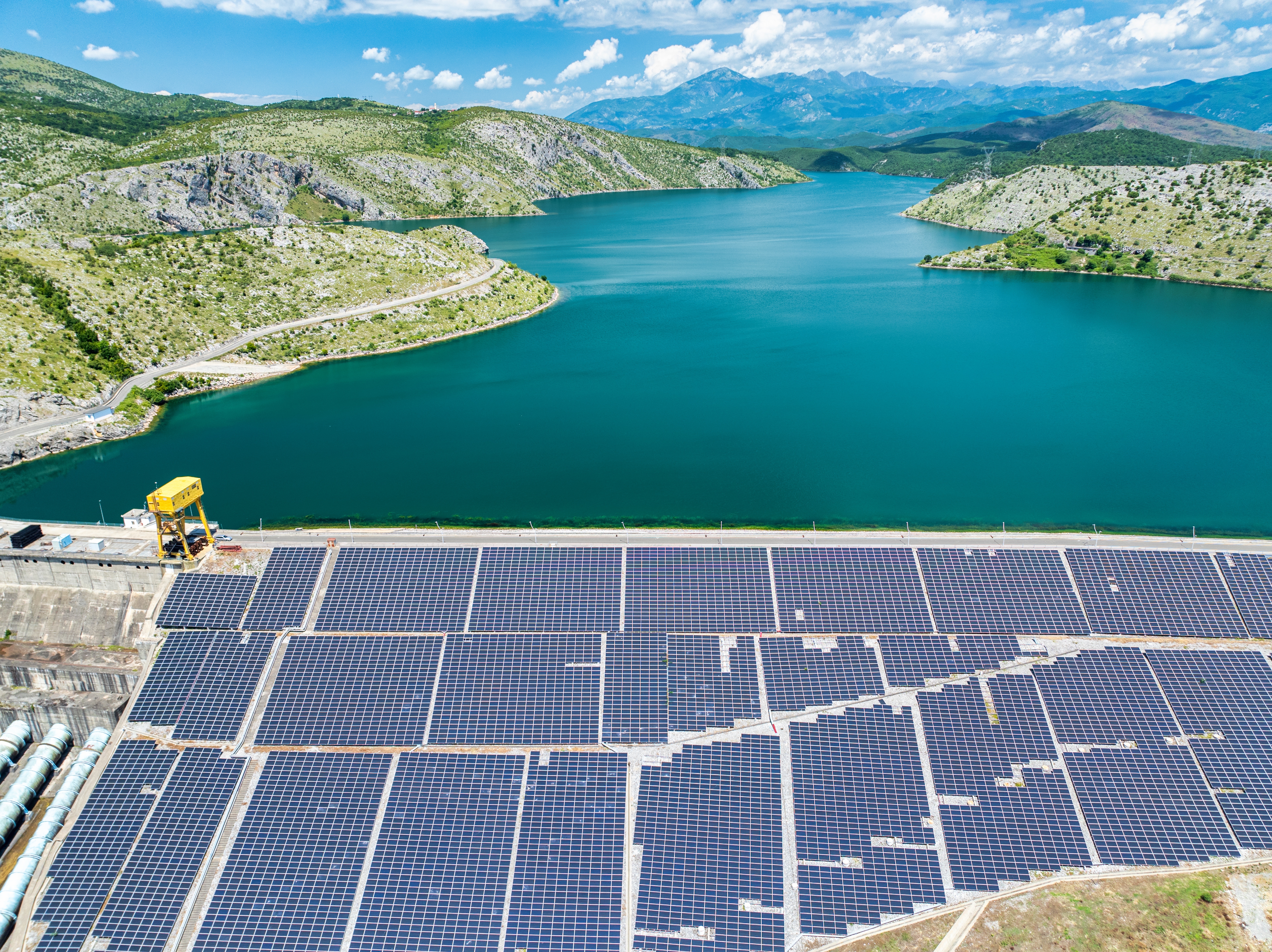
Hybrid projects bring renewable generation and BESS together at the same site. This can allow projects to share infrastructure and grid connections while storing generation for later use.
According to the feature, 55 per cent of new solar installations in the United States are now hybrid PV and BESS systems. Similar configurations are also gaining attention in emerging markets, where storage can help balance variable generation and improve energy access.
BESS deployment is expanding alongside this trend. Annual additions increased from 0.1 GWh in 2010 to 169 GWh in 2024, according to figures cited from Rho Motion. China accounted for 84 GWh and the United States 41 GWh.
BloombergNEF expects worldwide installed storage capacity to exceed 1 TWh by 2030.
The solar and storage markets are also becoming increasingly international.
Solar has already changed how electricity can be generated. The next stage is increasingly about combining that generation with storage, electrification and grid infrastructure so renewable electricity can be used more effectively across the energy system.
For the complete analysis, read the full feature from Intersolar on global solar growth, battery storage and hybrid energy systems in PES Solar: https://pes.eu.com/exclusive-articles/a-vision-becomes-reality-with-the-21st-century-energy-revolution




-1.jpg)