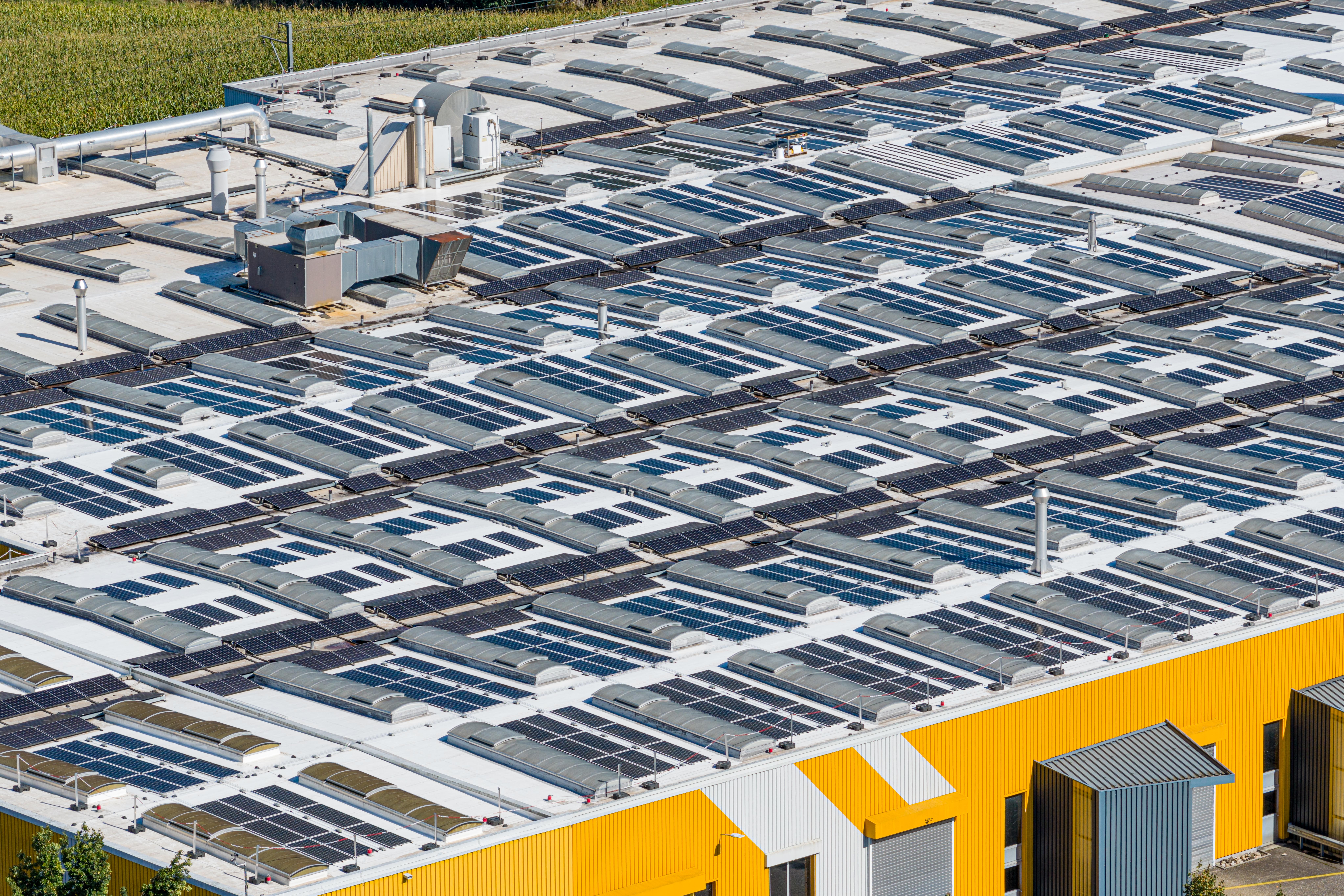
According to the International Energy Agency (IEA), solar power has become the most cost-effective option for new electricity generation in many countries. Despite economic uncertainties, solar energy continues to lead the transition toward clean energy. For operators of large-scale photovoltaic (PV) systems, the pressure to reduce capital expenditure (CAPEX) is growing. However, compromising on component quality can endanger performance and safety. This blog, drawn from a roundtable with experts at Stäubli Renewable Energy, explores how to balance cost-efficiency with long-term reliability and performance in solar installations.
Understanding Key Performance Indicators (KPIs)
Andrea Viaro, Global Head of Large-Scale PV Systems at Stäubli, emphasizes the role of economic KPIs in solar energy:
- As of 2022, the global weighted average cost of electricity from solar PV was USD 0.045/kWh—more than 20% cheaper than the lowest-cost fossil fuels.
- Utility-scale solar plants are long-term investment assets, and optimizing the Levelized Cost of Energy (LCoE) depends on a balanced approach to CAPEX and operational expenditure (OPEX).
The Critical Role of Connectors in PV Systems
Guido Volberg, Senior Consultant for Product Regulatory Affairs, highlights the importance of certified, high-quality connectors:
- Industry standards such as IEC 62852:2014 + A1:2020 and UL 6703 provide the foundation for safe connector usage within the same product family.
- Certification ensures long-term reliability, but most field issues arise from:
Performance and Safety Risks of Low-Quality Connectors
According to Viaro:
- Performance losses often begin with increased contact resistance in connectors.
- Identifying and replacing faulty connections can be time-consuming and costly, both in terms of repairs and lost energy yield.
- Additional legal and liability risks may arise when safety hazards or failures occur.
Data-Driven Prevention: Learning from the Field
Dominic Buergi, Global Head of Renewable Energy Services at Stäubli, cites field data:
- 74% of system issues originate in the DC distribution section of PV systems.
- 59% of these issues stem from field-assembled connectors and inadequate wire management.
- Wires and connectors represent the largest portion of components in a PV system and are most susceptible to quality-related failures.
Best Practices for EPCs and Installers
When selecting components for utility-scale projects, Stäubli advises:
- Carefully designing DC wiring layouts to match inverter input parameters
- Selecting reliable, well-tested connectors that minimize both initial costs and long-term maintenance
- Prioritizing proven manufacturers whose products exceed standard requirements
Technical Factors That Can Be Measured
To ensure ongoing performance, the following aspects can be tested:
- Contact resistance and current-carrying capability
- Material durability under thermal, mechanical, and environmental stress
- Resistance to UV exposure, fire hazards, and physical deformation
Viaro explains that reliable connectors maintain stable electrical resistance over time, which is validated through accelerated aging tests and independent certifications.
The Dangers of “MC4 Compatible” Components
Guido Volberg warns against cross-mating connectors from different manufacturers:
- Differences in internal contact design and materials can create fire and shock risks.
- The U.S. National Electrical Code (NEC) requires that only listed and tested intermateable connectors be used.
- No third-party connector is currently certified as intermateable with Stäubli’s original MC4 design.
Confirmed Field Issues
Buergi reports common installation errors, including:
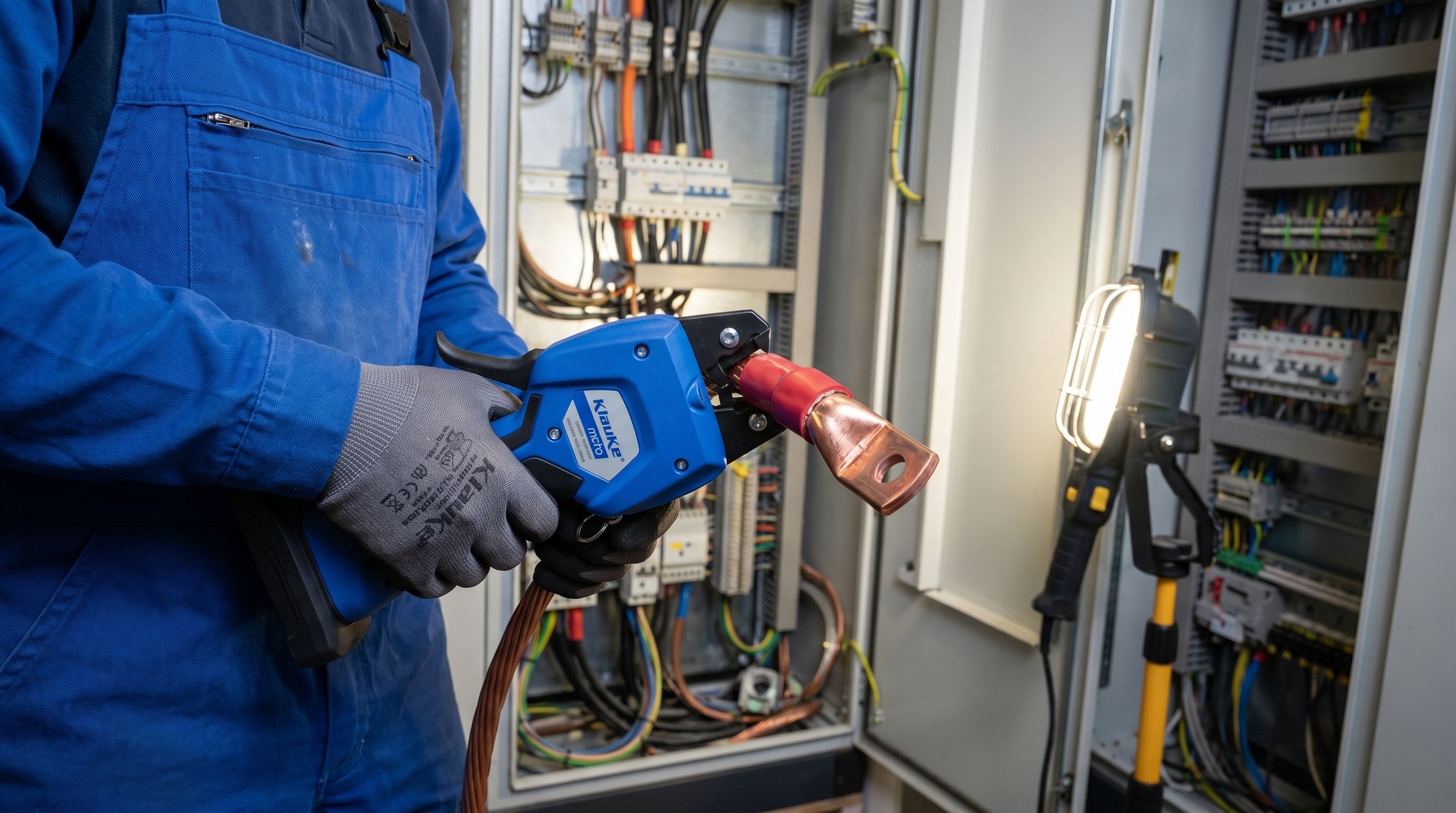
- Cross-mating connectors
- Excessively tight wire bend radii
- Incorrect torque on connector cap nuts
These issues are frequently observed in field inspections and often result in operational disruptions.
Preventive Services and Training
High-quality products alone are not enough. Stäubli emphasizes the importance of:
- Installer training and certification through the Stäubli Customer Academy
- Installation and commissioning oversight services
- DC health inspections and ongoing field support
Training programs focus on connector assembly techniques, wiring strategies, and adherence to industry best practices.
Conclusion
Investing in high-quality PV connectors and ensuring their proper installation significantly enhances the long-term performance and safety of solar power plants. Certified components, tested by independent bodies such as TÜV Rheinland and UL, combined with professional training and field support, help minimize OPEX and improve ROI. For asset owners, EPCs, and operators, quality is not just a feature—it’s a necessity.
For more information on connector safety and training, visit Stäubli Renewable Energy