Better inspection technology, more data and smarter maintenance tools can improve decision-making, but experienced technicians are still needed to interpret the findings and determine the right response.
For DZ Projects, that makes people and skills an essential part of planning for a wind turbine's working life.
Blade inspection and repair are often associated with responding to existing damage, but better use of maintenance data could allow intervention earlier.
Andrejus Solovjovas, Technical Project Manager at DZ Projects, identifies several recurring issues where operational and inspection data can help reveal developing patterns:
- Blade stress points
- Leading-edge erosion
- Coating degradation
- Recurring inspection findings
Artificial intelligence (AI) can support analysis of larger datasets, but DZ Projects believes that adoption should remain evidence-based and include clear human oversight.
Why the team matters
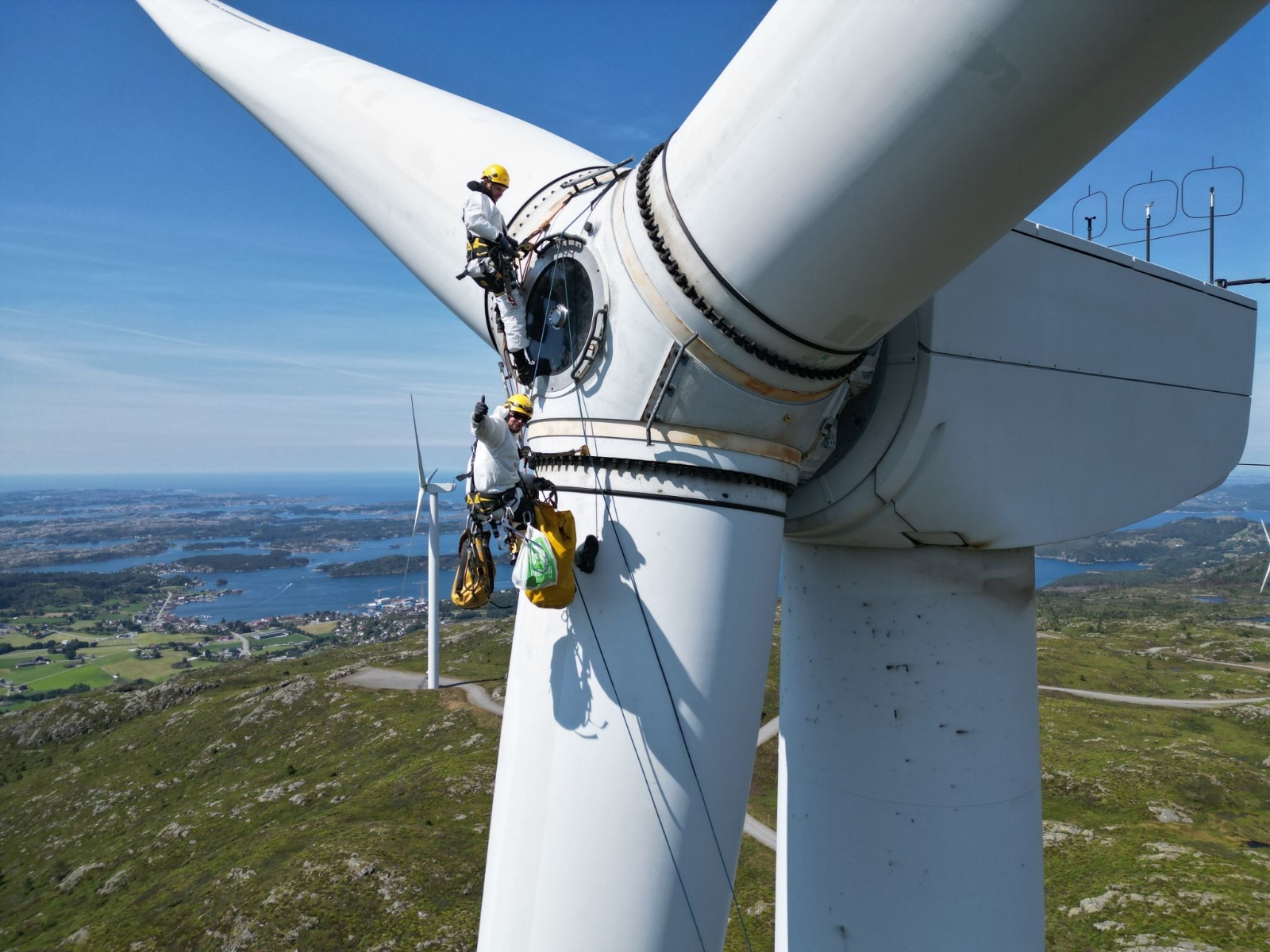
Rope access expertise involves more than individual qualifications. According to Solovjovas, high-performing teams combine technical capability with trust, communication, discipline and an understanding of rescue arrangements and individual responsibilities.
Safety also depends on everyday behaviour.
Marius Dirvonskis, HSE Specialist, explains that daily toolbox talks consider planned work, weather and changing site risks. Every technician is encouraged to raise concerns and has the authority to stop work when conditions become unsafe.
This becomes particularly important when weather windows and project schedules create pressure to continue.
Developing and retaining technicians
Wind maintenance requires practical experience that cannot be gained through certification alone.
DZ Projects combines structured training with supervised practical work, using experienced specialists to pass on site knowledge and safe working habits. Its Vertikalis training centre is also used during quieter winter periods for development and preparation.
The company says retaining technicians depends on stability, direct communication and opportunities to develop skills and responsibility rather than treating people as short-term resources.
As Donatas Zeniauskas, Managing Director, notes, skilled technicians cannot be created instantly. They require structured training, supervised experience and continuous professional development.
Technology supports rather than replaces people
Drones, robotics and AI are increasingly capable of collecting information and supporting maintenance decisions. However, DZ Projects believes that people remain essential where judgement, accountability and quality control are required.
Experienced technicians must still interpret unusual conditions, respond to changing weather and verify whether work has been completed to the required standard.
Technology should therefore extend human capability rather than remove professional responsibility.
Planning maintenance from the beginning
For new operators entering the European wind market, DZ Projects’ central recommendation is to plan maintenance from the start of a project.
Building the turbine is only the first stage of its lifecycle. Reliable operation also depends on an inspection strategy, realistic maintenance windows, skilled personnel and effective cooperation between owners, manufacturers and service providers.
As the European fleet continues to age, workforce competence and maintenance capacity may therefore need to be considered alongside construction targets, technology and finance from the earliest stages of development.
Read the complete feature in PES Wind: https://pes.eu.com/exclusive-articles/people-skills-and-proactive-maintenance-in-a-changing-wind-sector