The solar industry, after a decade of rapid growth, is transitioning to a slower expansion phase, with a greater focus on operational efficiency and performance. As demand stabilises, industry experts recommend optimising existing installations through precise weather and environmental monitoring. Critical factors such as solar irradiance, temperature, wind, and humidity significantly impact solar photovoltaic (PV) system output and longevity. Advanced monitoring tools, like onsite weather stations, provide crucial data for informed decision-making, maintenance scheduling, and predictive analysis. These insights help improve system efficiency, enhance profitability, and support long-term sustainability as the solar industry matures.
The solar industry has experienced significant growth over the past decade, driven by technological advancements, supportive policies, and increasing demand for renewable energy sources. Due to the prior rapid expansion in solar adoption, the industry is exhibiting typical signs of maturation. Current reports indicate that a deceleration in growth is both inevitable and already underway.
As the industry enters a new phase of slower growth, the emphasis shifts from rapid adoption and expansion to maximising operational efficiency and performance of existing installations. From initial design to final implementation, engineers, operations managers, and stakeholders must recognise the critical role that environmental and weather condition monitoring plays in optimising the performance of photovoltaic systems.
By understanding and closely monitoring how variables such as solar irradiance, temperature, and wind impact PV output, companies can improve efficiency, extend system lifespans, and enhance return on investment. The need for precise weather monitoring from the initial site assessment to ongoing operations and maintenance, offers insights into how advanced monitoring technologies can keep solar assets profitable in a competitive market.
The landscape of growth in the solar industry
As the commercial and industrial solar market continues to mature, we are witnessing a transformation in its growth trajectory. The US solar industry achieved a groundbreaking milestone in 2023, installing an impressive 32.4 gigawatts-direct current (GWdc) of capacity; a 51% increase from the previous year and surpassing the 30 GWdc mark for the first time.
This explosive growth was particularly pronounced in California’s commercial sector, contributing to a national increase of 19% over 2022 and leading photovoltaic (PV) solar to account for 53% of all new electricity-generating capacity, according to the Solar Energy Industries Association’s March 2024 ‘US Solar Market Insight’ report.
However, industry analysts from Wood Mackenzie suggest that after such unprecedented expansion, the market is entering a period of stabilisation.
According to the ‘2024 Outlook: Solar Predictions for 2024’ report by Wood Mackenzie, dated January 17, 2024, ‘Starting in 2024, the industry is officially past the inflection point, characterised by a slower growth pattern. The global solar market is still many times larger than it was even a few years ago, but it’s natural for an industry’s growth to slow as it matures,’ the report explains. This statement from the Wood Mackenzie report underscores a pivotal shift where the focus will increasingly turn towards enhancing efficiency and maximising returns on investments.
Maximising operational efficiency and performance
Monitoring systems are crucial for the realtime assessment of solar installations, helping to manage and predict energy production and consumption effectively. Monitoring the details of any installation becomes critical, where even minor fluctuations can significantly impact overall efficiency and profitability. Microclimate data helps maximise energy output and plays a vital role in predictive maintenance and system longevity. By understanding the specific climatic conditions at each site, operators can tailor their maintenance schedules and operations to prevent potential failures and reduce downtime.
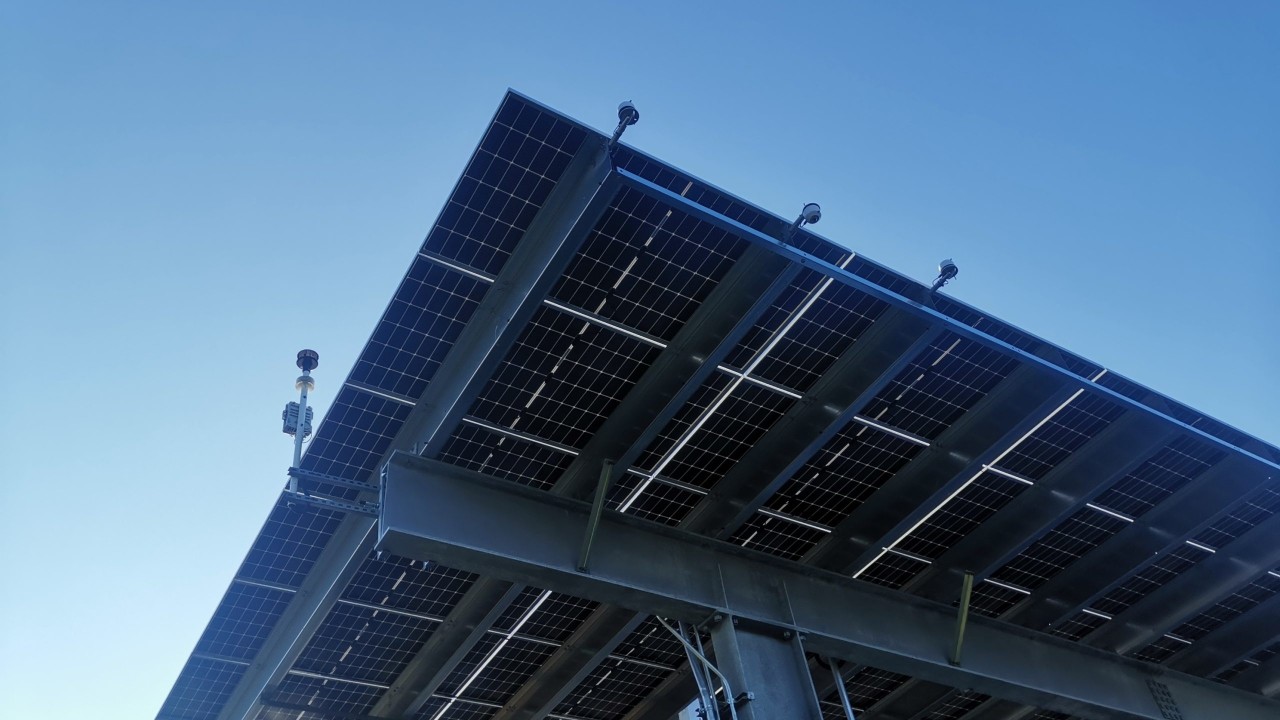
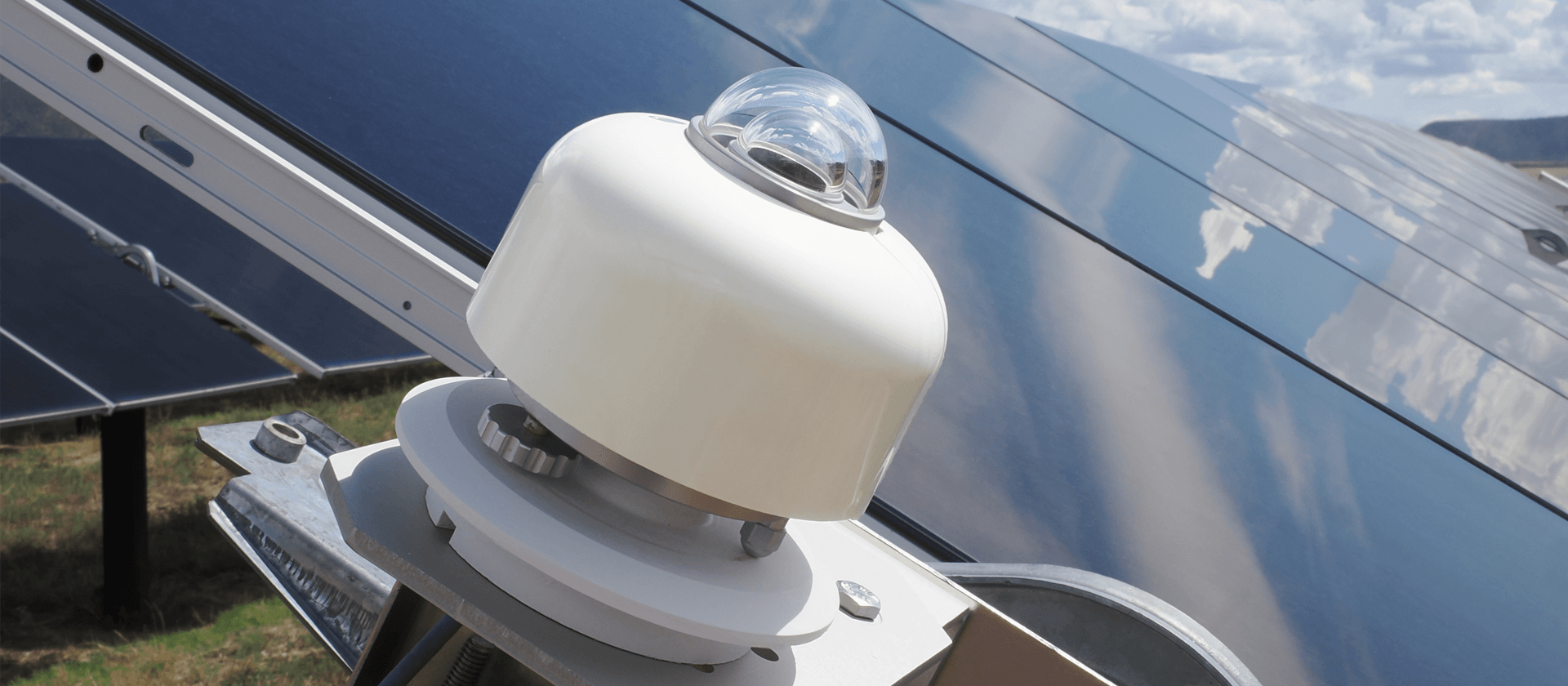
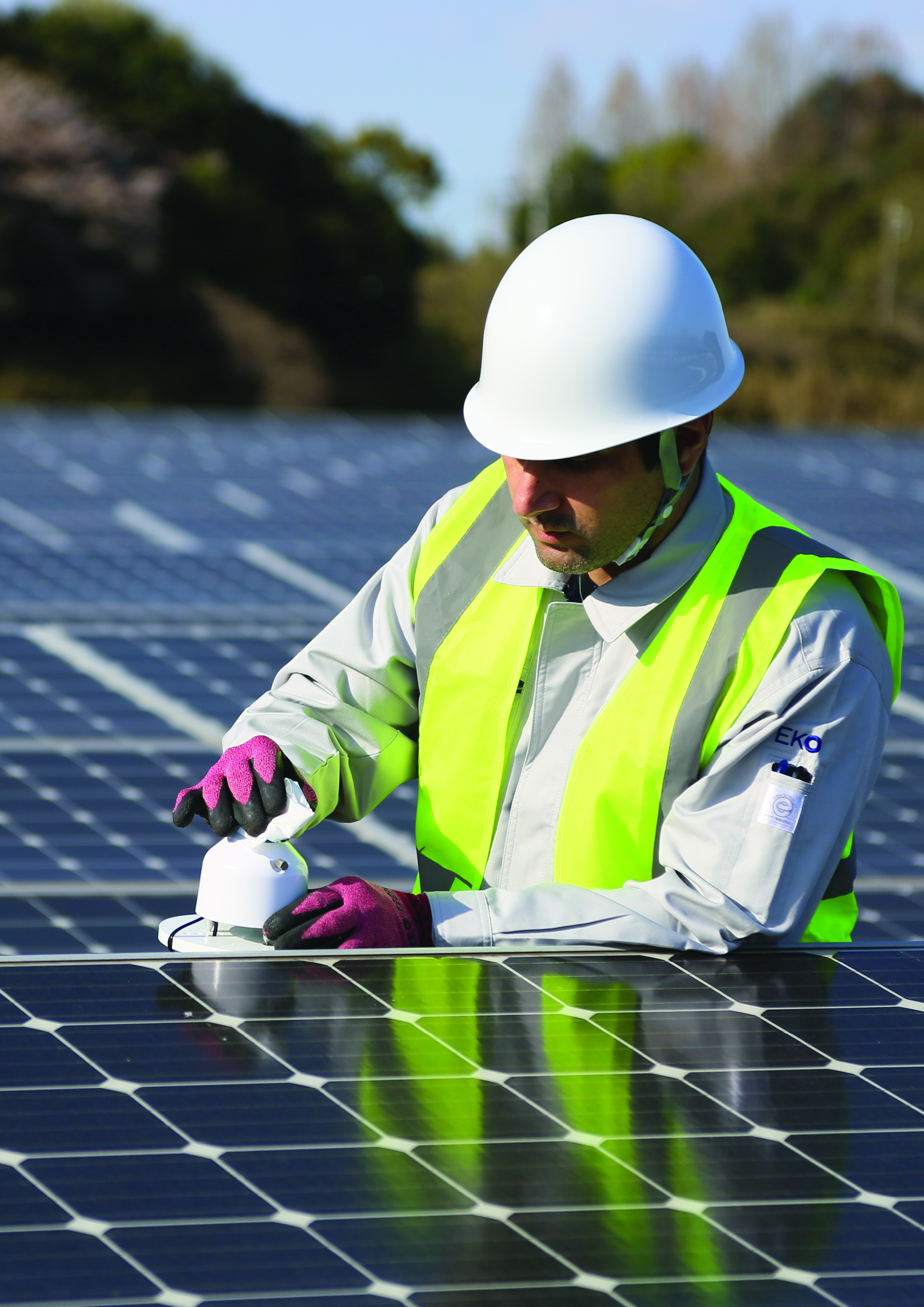
A best practice approach to ensure proper microclimate monitoring and bolster PV system management is the installation of onsite weather stations. These stations play a pivotal role in collecting critical data that aids facility managers in making informed decisions about when to store or use energy, optimising both efficiency and cost.
Weather stations provide invaluable data for operational output monitoring, which is crucial for long-term system health and performance. They enable operators to manage potential over- or under-production effectively and ensure the system’s reliability against environmental variables.
The appropriate PV weather monitoring tools allow power operators to maximise efficiency and production, thereby enhancing profitability and investment returns. These tools facilitate monitoring operational outputs and provide precise evaluations of solar irradiation and weather conditions, helping regulate production levels and guarantee consistent, reliable performance over the long term.
Customisable solutions are suited for rigorous solar resource assessment efforts, particularly at large or complex sites where production variability or uncertainty is high.
In the pursuit of optimising photovoltaic (PV) panel performance and efficiency, understanding and monitoring key environmental measurements is essential. These measurements provide actionable data that can significantly influence the operational efficiency of solar panels.
Critical measurements for monitoring solar efficiency
Solar irradiance is fundamental for evaluating solar panel performance, while temperatures also need to be measured, as high temperatures are known to reduce the efficiency of solar cells, a phenomenon known as temperature coefficient. Monitoring ambient and panel temperatures helps in preventing overheating and potential damage, thus prolonging the lifespan of the panels.
Another important measurement is rain, as rainfall can naturally clean panels of dust and debris, enhancing efficiency. However, if not dried properly, rain can also leave water spots or streaks, potentially obstructing sunlight and diminishing panel effectiveness.
Likewise with wind; while a gentle breeze can help cool solar panels and enhance their performance, strong winds may impose mechanical stress on the structures, leading to physical damage such as cracks or fractures. This not only reduces efficiency but also shortens the operational lifespan of the panels.
High humidity levels can lead to the accumulation of dirt and grime on the panels, reducing their effectiveness. Humidity can accelerate the degradation of electronic components within the solar setup.
Finally, dust accumulation and exposure to pollution can form a layer over panels, significantly blocking sunlight and decreasing the panels’ energy conversion efficiency. Monitoring local air quality and regular cleaning of panels can mitigate these effects.
Strategic benefits of PV weather monitoring systems
Data analysis has become a cornerstone for operators aiming to enhance system efficiency and operational cost-effectiveness. By closely monitoring environmental conditions, operators can optimise panel angle adjustments, schedule maintenance, and even predict potential downtimes.
Identifying potential issues early facilitates proactive operations and maintenance (O&M) actions. Real-time sensor data enables operators to anticipate failures and detect patterns and anomalies that could indicate impending issues.
The integration of PV weather monitoring tools can deliver several strategic advantages, including critical insights. Throughout the lifecycle of a PV project, monitoring tools are essential as they gather crucial data, including air temperature, PV panel temperature, relative humidity, solar irradiance, and wind speed.
By accounting for these factors, these tools provide a cost-effective solution for optimising the output of your existing PV plant. This proactive approach minimises future expenditures on repairs and maintenance, ensuring long-term efficiency and sustainability.
Operational efficiency can also be enhanced. By accurately monitoring solar irradiance and other weather parameters, these systems help in optimising the energy output and reducing lifecycle costs.
Maintenance optimisation is another important advantage. Advanced monitoring allows for quick identification of issues like soiling or shading on solar modules, reducing the time and cost associated with maintenance.
By pinpointing areas needing improvement, operators can establish more efficient maintenance schedules, thus extending the lifespan of their assets, reducing repair and replacement expenses, and ultimately boosting profitability.
Implementing a strong predictive maintenance program is essential for managing risk and enhancing decisionmaking processes, ensuring they operate efficiently and effectively.
As the solar industry transitions from a period of rapid expansion to a more mature phase, the emphasis will increasingly be on optimising existing installations and maximising the return. PV monitoring solutions are at the forefront of this shift, offering the tools necessary to navigate the complexities of modern solar energy systems, ensuring their profitability, sustainability, and long-term success.