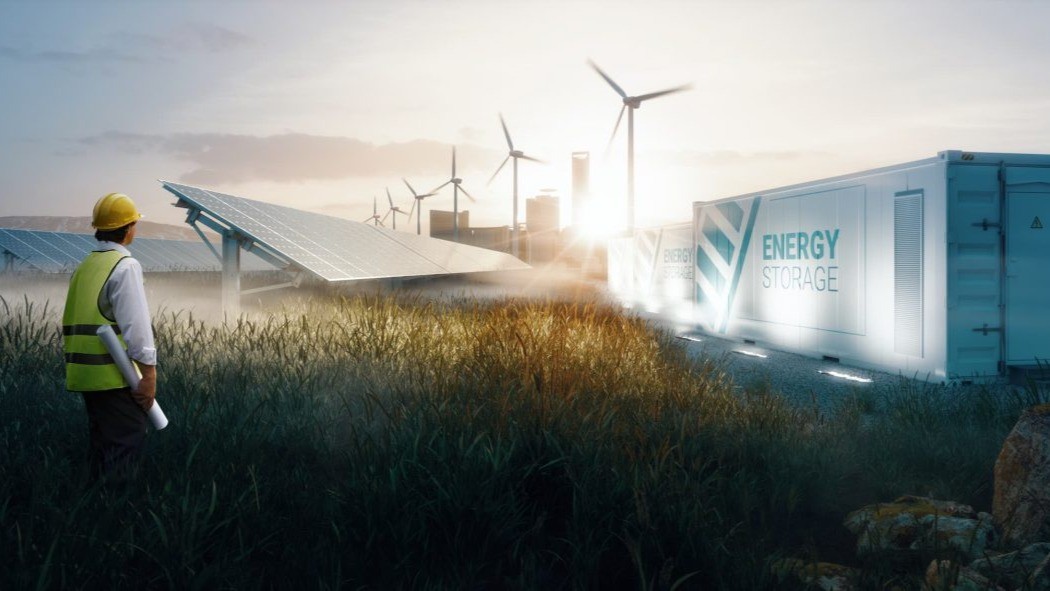
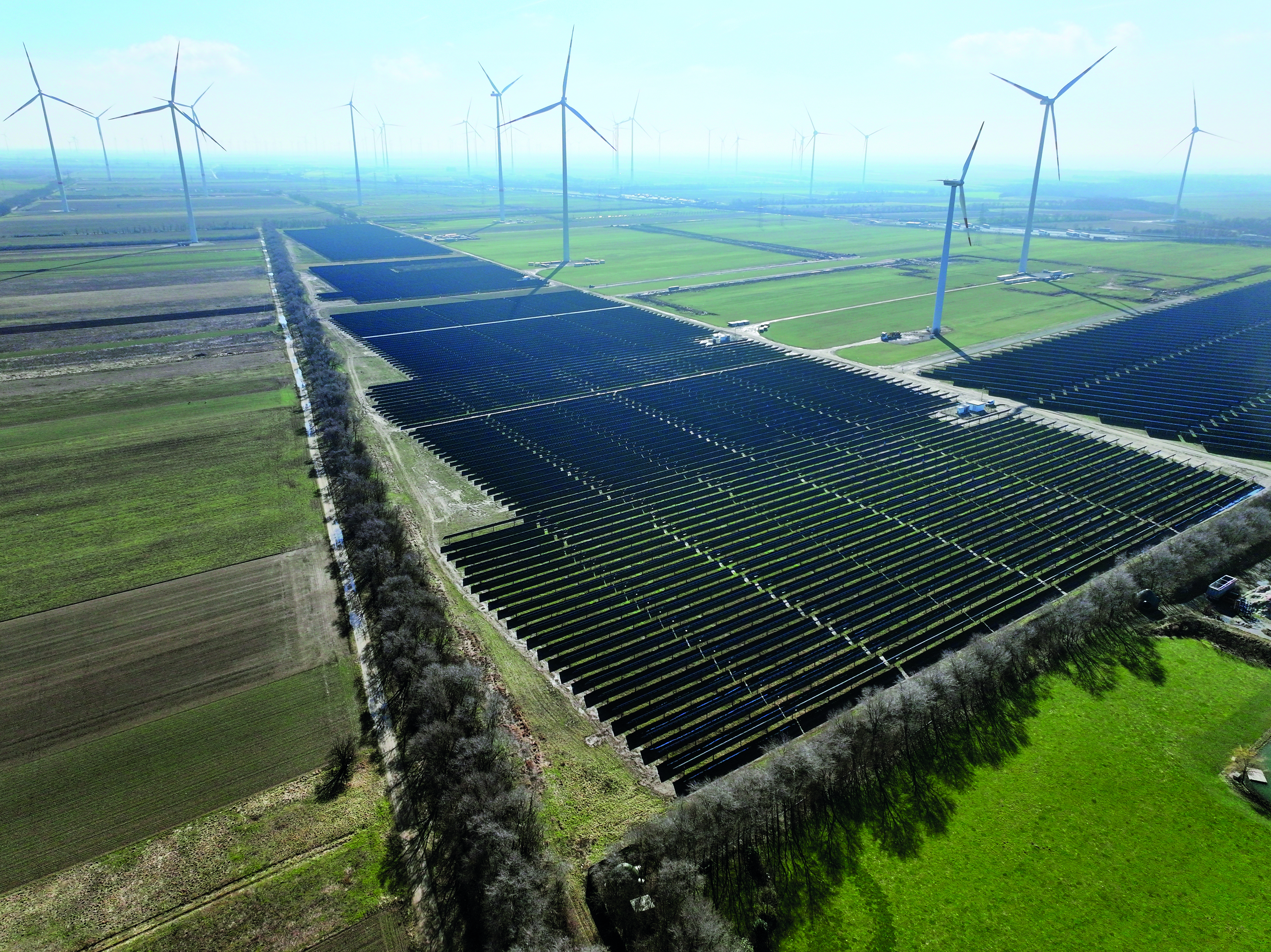
As renewable energy sources continue to grow in importance, the existing centralized power grid infrastructure is facing significant operational challenges. The intermittent nature of solar, wind, and other renewable sources calls for innovative solutions to ensure energy reliability and efficiency. Microgrids have emerged as a viable answer to these challenges, offering decentralized, intelligent energy systems designed for the demands of the modern world.
Understanding Microgrids
Microgrids are localized energy systems capable of functioning independently or in connection with the central grid. Their flexible architecture allows for integration of diverse energy sources and smart technologies.
Key Features:
- Composed of energy generators, loads, and often storage systems
- Can integrate renewable and conventional energy sources
- Operate in grid-connected or standalone mode
- Simplify grid operations through localized management
- Reduce transmission losses and increase overall efficiency
Benefits of Microgrid Systems
The advantages of implementing microgrids extend across environmental, operational, and economic dimensions.
Benefits Include:
- Reduced Transmission Losses: Energy is generated and consumed locally.
- Enhanced Efficiency: Localized control allows for optimized energy flow.
- Scalability: Systems can be expanded or modified to meet future energy needs.
- Improved Resilience: Ability to isolate from the main grid during outages.
- Simplified Integration: Easier to add or replace generation units.
- Security: Smaller systems are easier to protect and manage.
Case Study: Speedline Aluminium Gießerei GmbH
An exemplary implementation of a microgrid is found at Speedline Aluminium, a remelting plant in Schlins, Austria, operated by Alu-met GmbH. Known for its efficiency and commitment to sustainability, the company sought a solution to reduce its dependence on external power sources.
Project Highlights:
- Collaborators: E-Werke Frastanz, doma vkw Energietechnik, Bachmann electronic
- Solar System: Installed on factory roof, covering 4,200 m² (half a soccer field)
- Capacity: 885 kWp from ~2,100 photovoltaic modules
- Annual Yield: ~1 GWh, meeting ~10% of energy demand
- Future Plans: Additional 150 kWp expansion and transition to E-drive machinery
Smart Integration with Power Plant Controller
To meet regional grid operator requirements and manage solar power fluctuations, Speedline deployed the Smart Power Plant Controller (SPPC) from Bachmann electronic.
Controller Capabilities:
- Manages integration with Vorarlberger Energienetze
- Stabilizes energy input and synchronizes with the public grid
- Supports compliance and certification processes
- Enables quick deployment—installation and connection completed in six weeks
Strategic Design Choices
Speedline chose not to install energy storage, as their continuous operations allowed for immediate consumption of generated power. However, in other scenarios, battery storage may be beneficial.
Considerations for Storage:
- Best suited for intermittent generation or uneven consumption
- Enables load peak management and surplus energy utilization
- Container-based battery systems offer modular, scalable solutions
Visualization and Operational Transparency
Modern microgrids benefit from intuitive interfaces for system monitoring and configuration.
Visualization Tools Provide:
- Real-time data on system topologies, signal flows, and operational metrics
- Web-based access through local servers
- Simple interfaces for diagnostics and value adjustments
Cybersecurity and System Protection
As microgrids grow more complex, securing these systems becomes essential.
Security Measures:
- Multi-level architectures with secure communication protocols
- Access control and robust operating environments
- Backup and recovery features to ensure system continuity
Microgrids and the Energy Transition
The success of the Speedline project illustrates broader industry trends and growing interest in microgrids as a strategic investment.
Why Companies Are Adopting Microgrids:
- Increasing energy prices
- Potential subsidies for renewable systems
- Growing affordability of smart technologies
- Long-term economic and environmental benefits
Conclusion: A Decentralized Energy Future
Microgrids represent a pivotal innovation in energy infrastructure. By enabling localized, smart, and sustainable power systems, they are a cornerstone of the global energy transition.
The Future Is:
- Decentralized: Reducing reliance on centralized grids
- Intelligent: Leveraging automation for optimal performance
- Resilient: Ensuring continuous operation through self-sufficiency
- Sustainable: Enabling clean energy integration at scale
As demonstrated by Speedline Aluminium and its partners, the pathway to a secure, efficient, and environmentally responsible energy future lies in microgrid technology.
🔗 Learn more: https://www.ewerke.at/