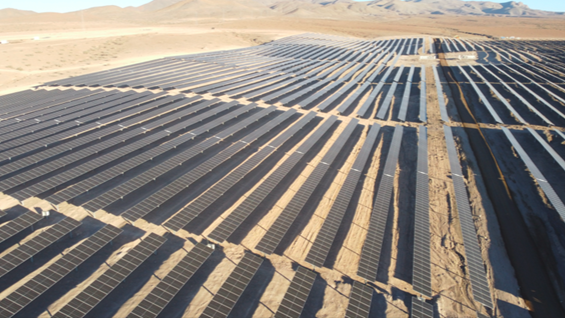
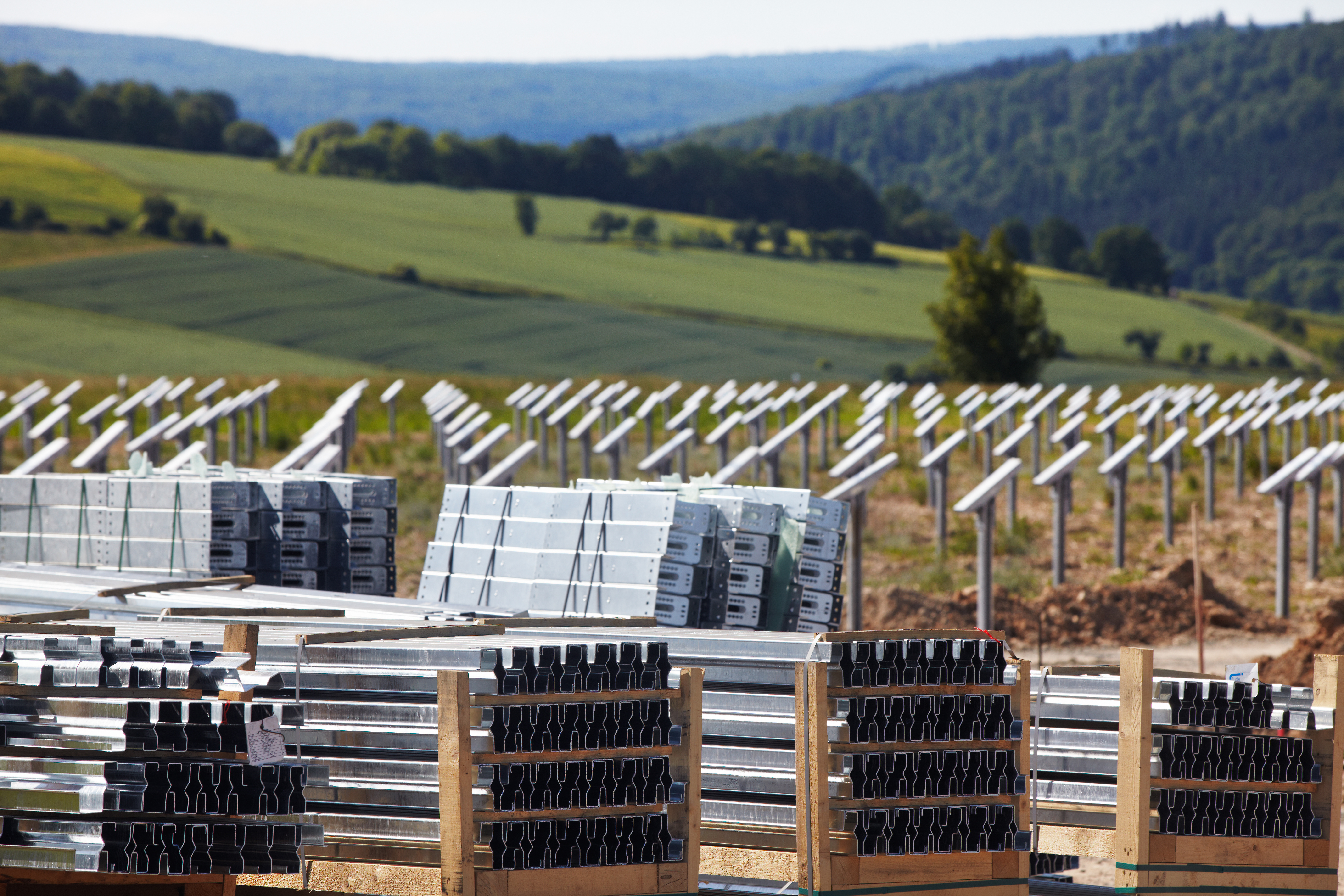
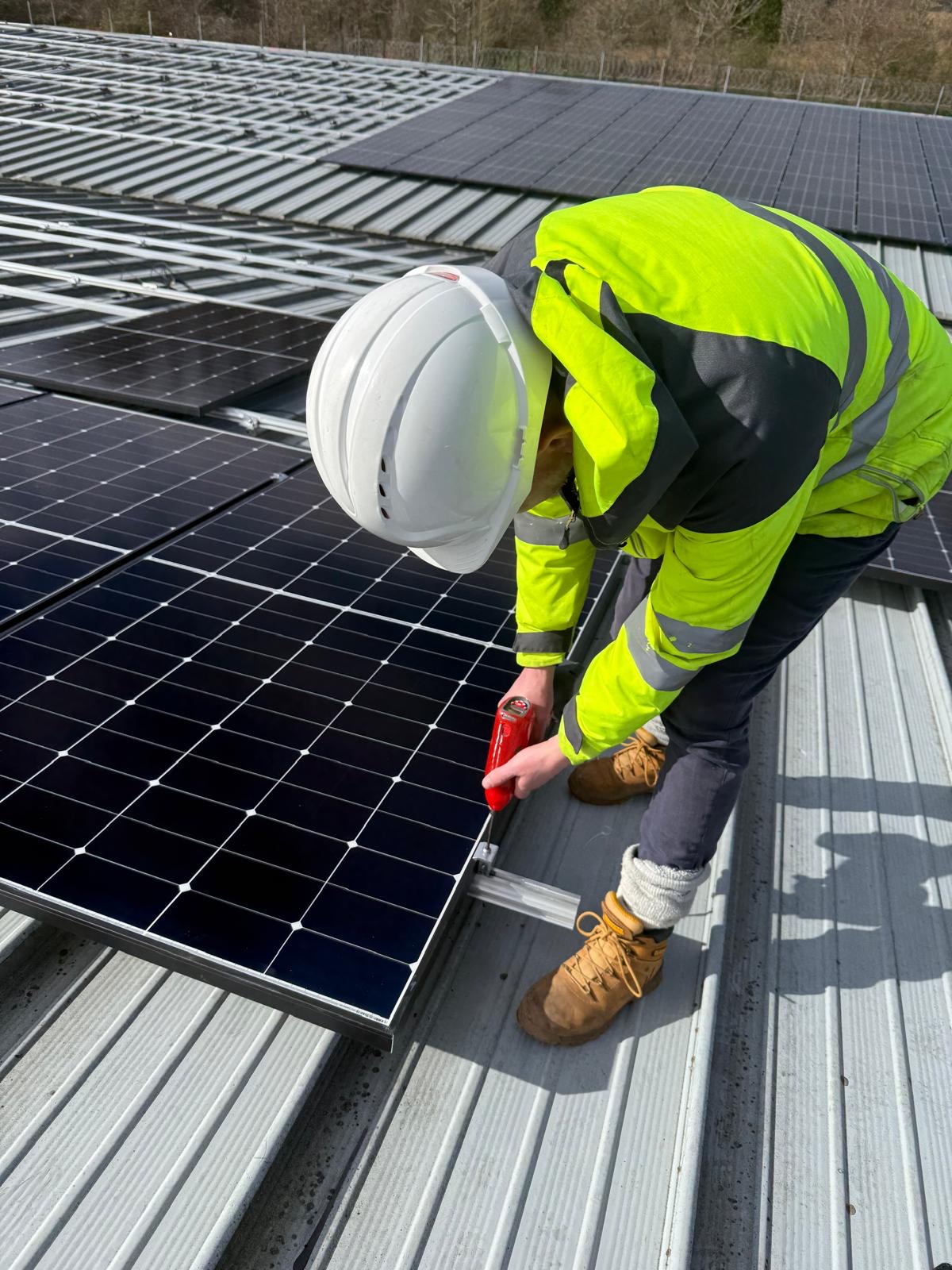
As the global demand for clean, renewable energy soars, solar power plants are expanding in both size and scope. One of the most significant advancements in solar technology that has revolutionized energy yield is the introduction of single axis trackers. These innovative systems, which allow solar panels to rotate and follow the sun’s path throughout the day, are proving to be an invaluable asset to solar projects worldwide—especially in challenging environmental and topographical conditions.
The Role of Single Axis Trackers
Single axis trackers are designed to increase solar energy yield by positioning panels to capture sunlight more effectively. Traditional fixed solar panels remain stationary, limiting their ability to harness sunlight throughout the day. In contrast, single axis trackers move the panels along a single axis (typically east to west), ensuring the panels are always positioned at the optimal angle to capture the most sunlight, no matter the time of day.
This dynamic tracking mechanism increases energy generation by improving the angle of incidence, leading to greater efficiency. As a result, solar plants equipped with trackers generate more power and have more consistent energy output compared to their fixed counterparts.
Overcoming Environmental Challenges
As the global solar industry expands, it is increasingly moving into high-wind areas and steep, rugged terrains—places where traditional solar installation methods struggle. For example, solar projects in hurricane-prone regions or mountainous areas with quickly changing slopes require solutions that can handle the harsh conditions without sacrificing energy production.
This is where the true potential of single axis trackers shines. Progressive wind stow and terrain-optimized backtracking strategies have been integrated into tracker systems to address environmental challenges.
- Wind stow is an innovative feature that automatically adjusts the position of the solar panels in high-wind conditions, reducing the risk of damage and energy loss during extreme weather events. In hurricane-prone areas or locations with high wind speeds, this feature is critical to maintaining the structural integrity of the system while ensuring that energy generation remains optimal.
- Terrain-optimized backtracking is another breakthrough that improves performance on uneven or hilly landscapes. In areas with steep slopes, trackers are designed to adjust their angle and orientation, minimizing the energy loss that typically occurs on uneven ground. By optimizing the backtracking strategy, these systems are able to maintain high energy yields even in difficult terrains, such as mountainsides, where traditional solar installations may struggle to perform effectively.
Why Single Axis Trackers Are So Important
With the proliferation of large-scale solar power plants worldwide, the ability to maximize energy production in all types of environments is more critical than ever. Single axis trackers not only help increase overall energy yield, but they also make it possible to install solar power plants in areas that were once considered too challenging for traditional fixed solar panel systems.
Whether it's a solar farm on a hillside, a plant located in a hurricane-prone region, or a project situated in an area with strong winds, single axis trackers ensure that solar plants are operating at peak performance, even in the face of environmental adversity.
This advancement is particularly crucial as countries and businesses strive to meet ambitious renewable energy goals and reduce reliance on fossil fuels. By leveraging cutting-edge solar technology like single axis trackers, the solar industry is poised to make significant strides toward a more sustainable, energy-efficient future.
Conclusion
The rise of single axis trackers is transforming the solar industry, making solar power more efficient and accessible across the globe. With innovations like wind stow and terrain-optimized backtracking strategies, trackers are enabling solar projects to thrive in challenging environments that were once considered unfeasible for large-scale solar installations. As solar energy continues to grow in importance and reach, these dynamic tracking systems will play a pivotal role in maximizing energy yield, ensuring the future of solar is bright—no matter the terrain or weather.
As solar technology continues to advance, single axis trackers will undoubtedly remain a critical tool in the industry's mission to create a sustainable, renewable energy future.