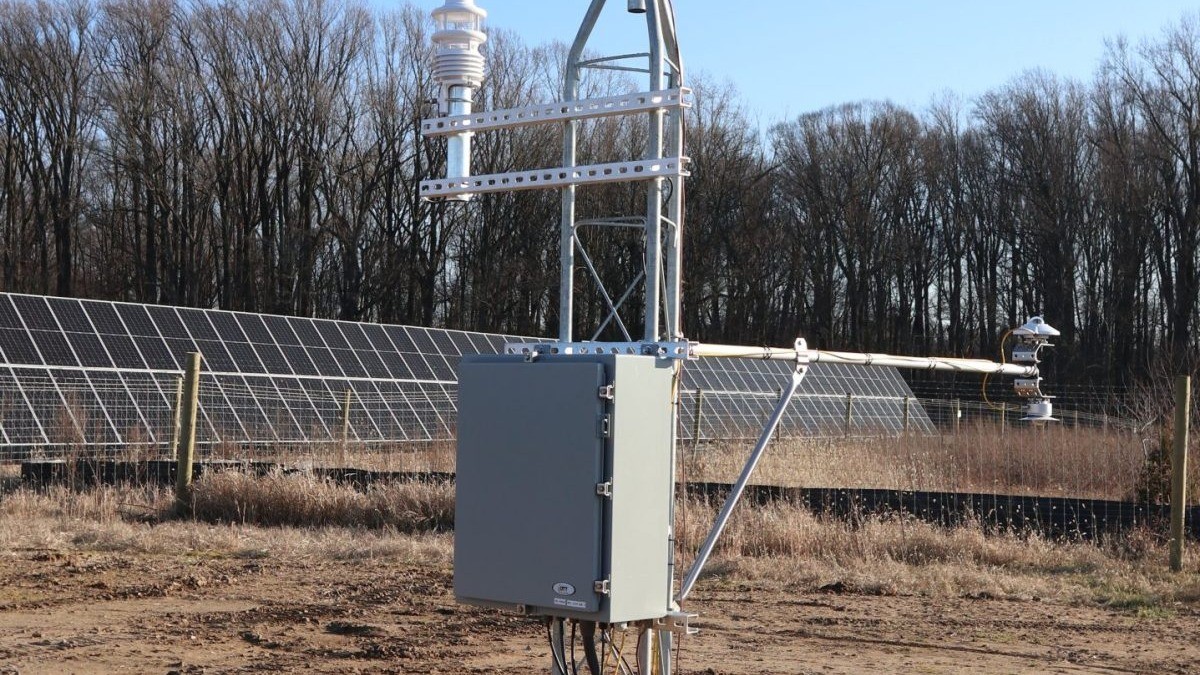
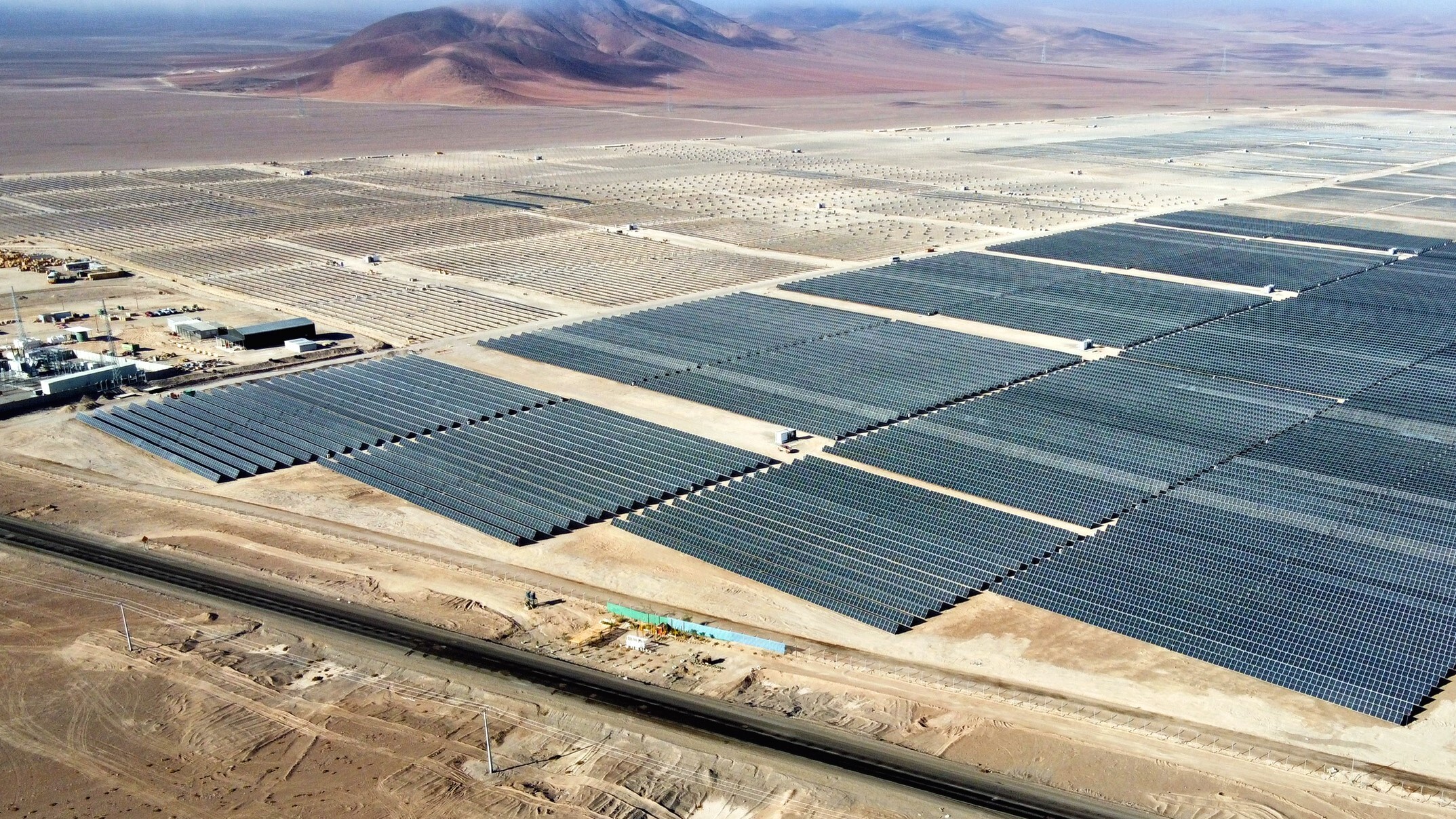
Accurate meteorological monitoring plays a crucial role in optimizing solar photovoltaic (PV) performance. OTT HydroMet’s Alondra Anacleto, North America Team Lead for the solar vertical, discusses how the integration of meteorological measurement and monitoring technology helps solar plant operators enhance energy output, reduce downtime, and improve profitability.
Why Meteorology Matters for Solar PV For solar PV systems to perform optimally, environmental factors must be considered throughout the plant's life cycle. Meteorological data is essential for:
- Site prospecting, energy forecasting, and plant maintenance.
- Monitoring weather conditions like temperature, wind speed, precipitation, and solar irradiance that directly influence solar plant performance.
Role of Meteorological Monitoring in Performance Troubleshooting Meteorological data helps operators distinguish between performance issues caused by weather and those caused by hardware malfunctions. By comparing real-time weather data with energy output, operators can identify whether performance dips are due to weather effects or equipment failure, ensuring efficient maintenance and cost-effective troubleshooting.
Key Stages of Solar PV Plant Life Cycle Meteorological monitoring is valuable throughout all stages of a PV plant’s life:
- Site Assessment: Helps identify optimal plant locations based on weather conditions.
- Construction & Commissioning: Provides data to ensure correct installation and performance calculations.
- Operational Phase: Facilitates ongoing production forecasting, performance evaluation, and long-term optimization.
- Decommissioning: Historical weather data supports future project designs in similar climates.
Improving Efficiency and Profitability with Accurate Data OTT HydroMet's advanced meteorological stations provide real-time, precise data on key parameters like temperature, wind speed, and solar irradiance. This information enables operators to optimize panel tilt, cleaning schedules, and maintenance timings, which leads to:
- Efficiency improvements of 2-5% and significant gains in profitability over the plant's life cycle.
- Reduced downtime and lower maintenance costs by making informed decisions based on weather data.
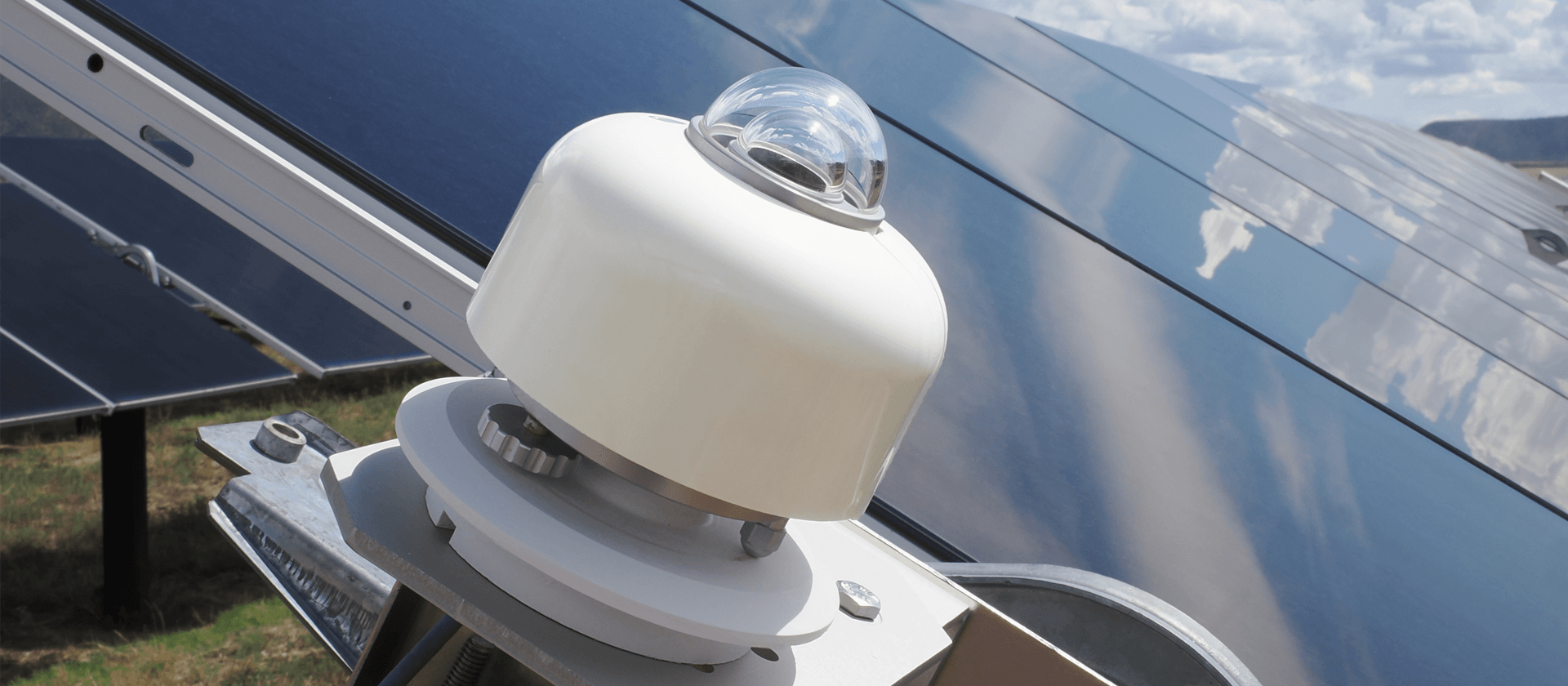
Advanced Weather Monitoring Solutions OTT HydroMet’s weather stations monitor critical parameters such as air and module temperature, humidity, wind speed, and solar irradiance:
- Air & Module Temperature: Heat causes efficiency losses, so monitoring both is crucial for performance tracking.
- Wind Speed & Direction: Impacts cooling and the structural integrity of PV systems during extreme conditions.
- Humidity: Used to calculate vapor pressure, especially for CdTe solar cells, influencing their spectral shift.
Integration with SCADA Systems The integration of OTT HydroMet's meteorological stations with SCADA systems enhances plant efficiency. This integration allows for:
- Centralized monitoring of weather and plant data in a single interface.
- Automated alerts based on weather conditions and correlation of weather events with plant performance.
- Automation of certain plant operations, improving overall responsiveness and operational efficiency.
Technological Advancements in Meteorological Monitoring OTT HydroMet’s Lufft WS600 All-in-One Weather Sensor simplifies installation and maintenance by integrating multiple sensors in a compact unit. Features include:
- Active Ventilation and Integrated Heating: Ensures accurate readings in cold weather and prevents snow and ice accumulation.
- High Accuracy: The WS600 offers precise weather monitoring even in harsh environments, contributing to better decision-making for solar plant operators.
DustIQ Soiling Monitoring Solution The DustIQ system provides real-time soiling measurements, allowing operators to shift from calendar-based cleaning schedules to data-driven decisions. This ensures that cleaning only occurs when it will lead to a measurable increase in energy production, saving on cleaning costs and improving the module’s lifespan.
Conclusion OTT HydroMet’s meteorological monitoring solutions enable solar PV plant operators to optimize their systems’ performance, enhance energy output, and increase profitability. By integrating accurate, real-time weather data with plant operations, operators can make better maintenance and operational decisions, ensuring that solar projects remain cost-effective and efficient over time.
Read the full article here: https://pes.eu.com/exclusive-article/improving-solar-pv-performance-with-meteorological-monitoring/