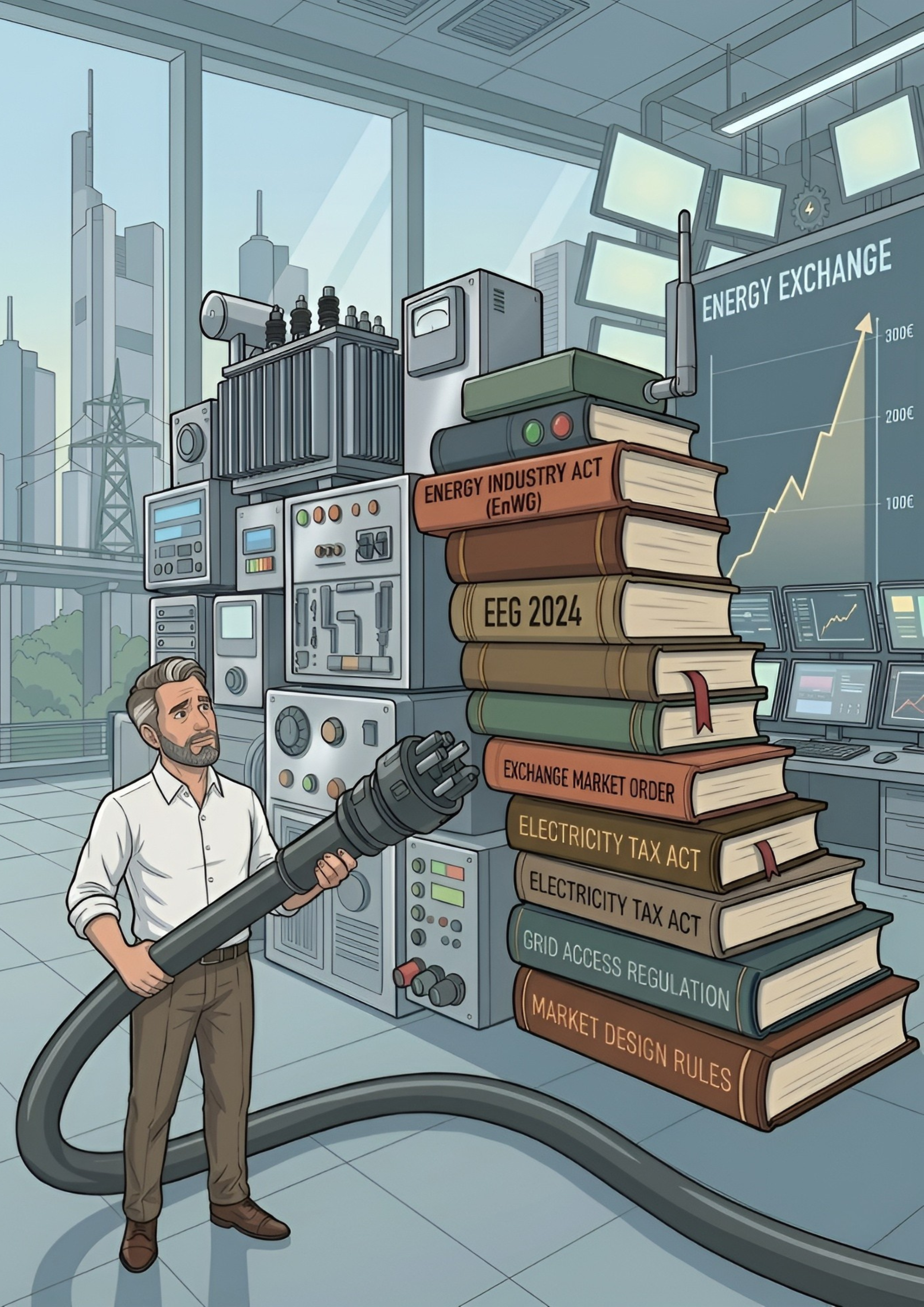
Germany is one of Europe’s most established solar markets, but its next challenge is no longer simply installing more panels. Grid connections, storage, rooftop access, land use, digitalisation and supply chain resilience are becoming just as important as deployment.
By the end of 2025, Germany had around 117 GW of installed solar capacity, with 16.4 GW added during the year. Photovoltaics generated approximately 87 TWh, around 21 per cent more than in 2024, making solar Germany’s second-largest source of public net electricity generation behind wind.
Keeping pace with the 2030 target
Germany is targeting 215 GW of installed PV capacity by 2030. Reaching that figure requires average annual additions of around 19.6 GW through to the end of the decade.
Solar Package I, adopted in 2024, introduced measures intended to reduce barriers across residential, commercial and ground-mounted PV.
The market now needs progress across several areas:
The challenge is increasingly one of integrating these elements into the wider electricity system.
Rooftop solar becomes an energy system
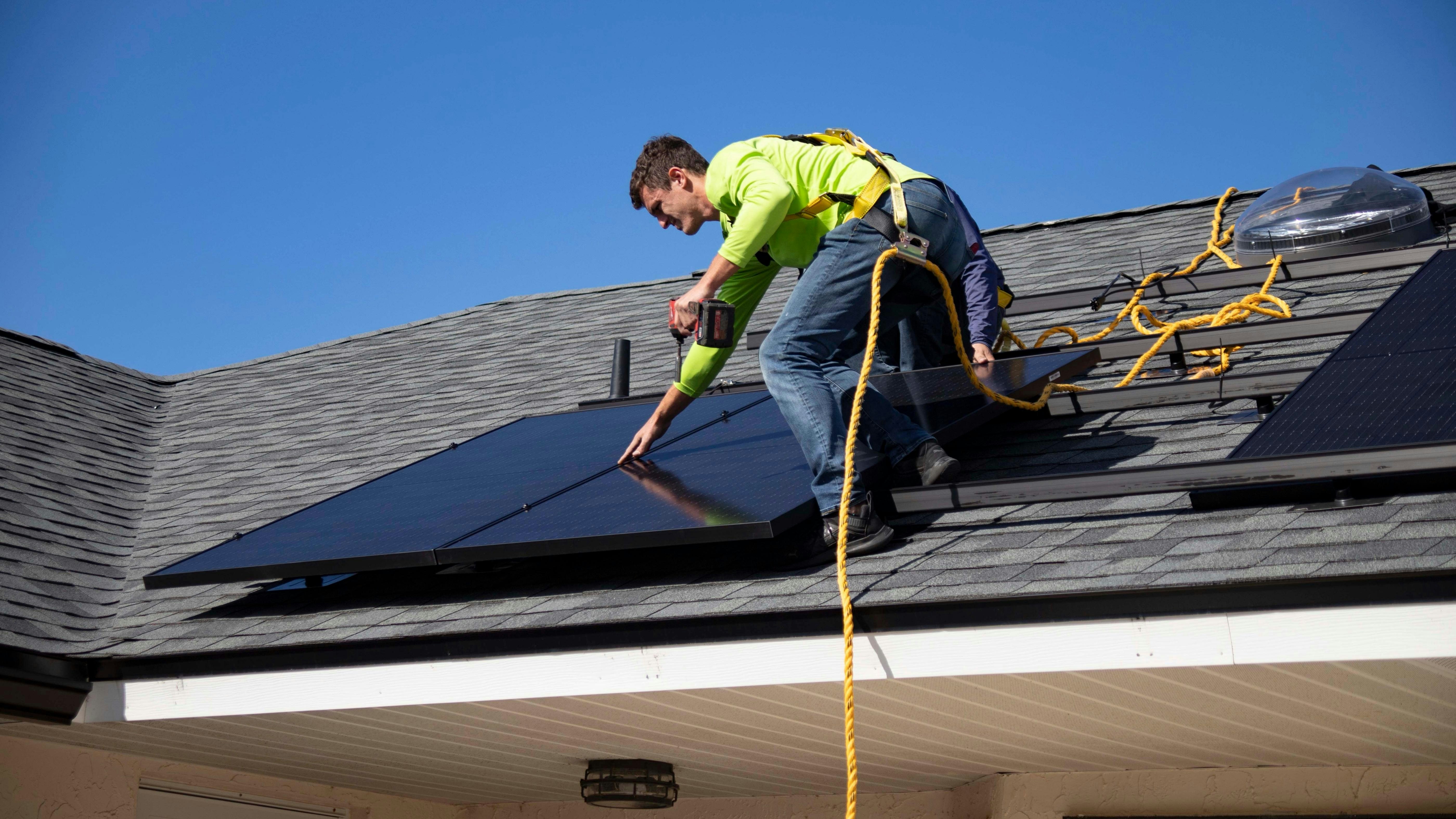
Residential solar is moving beyond panels and feed-in tariffs. Batteries, electric vehicle charging, heat pumps and variable tariffs are changing how households use their generation.
Fraunhofer ISE reported PV self-consumption of 12.28 TWh in 2024, representing 17 per cent of net photovoltaic electricity generation.
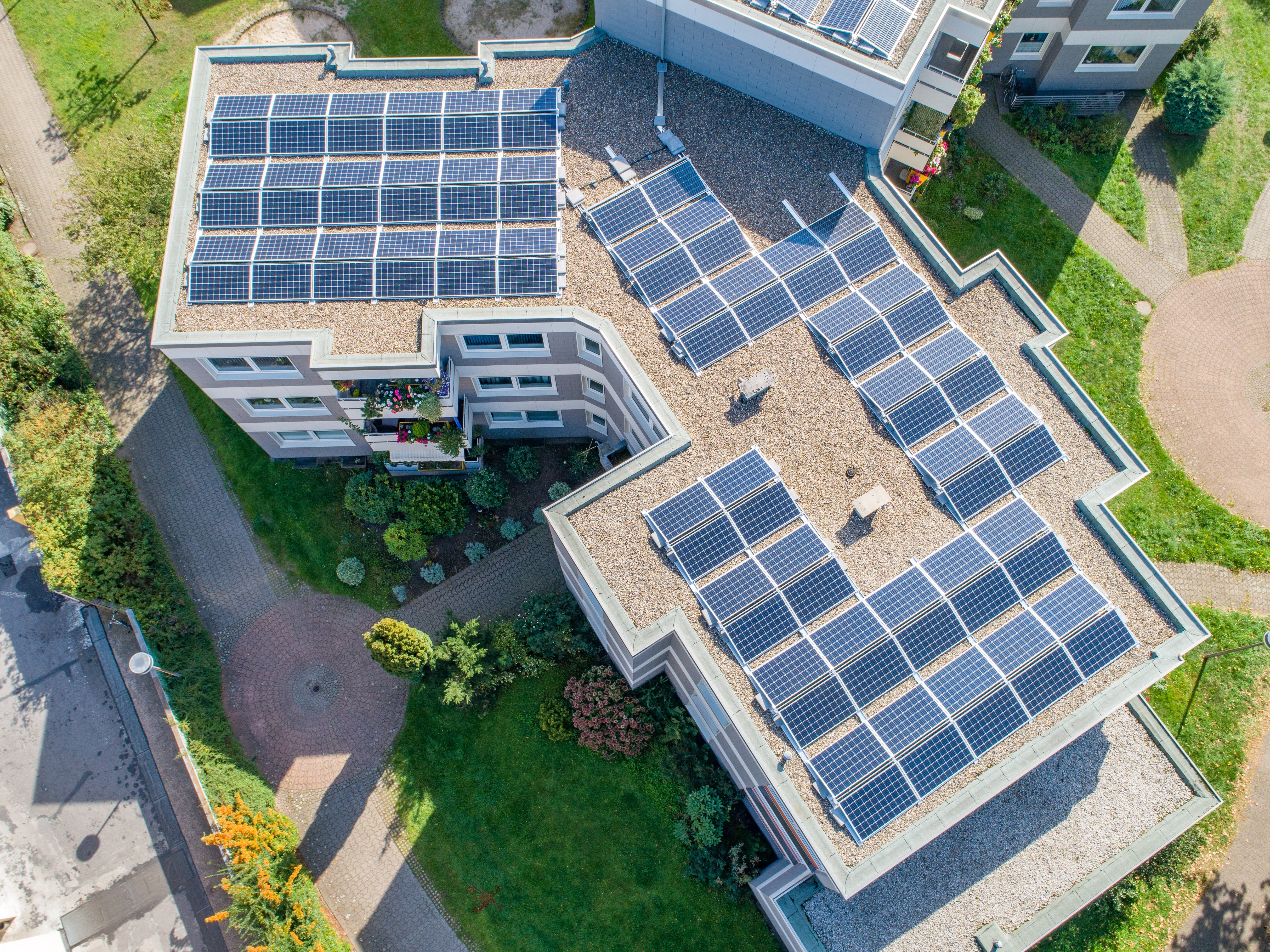
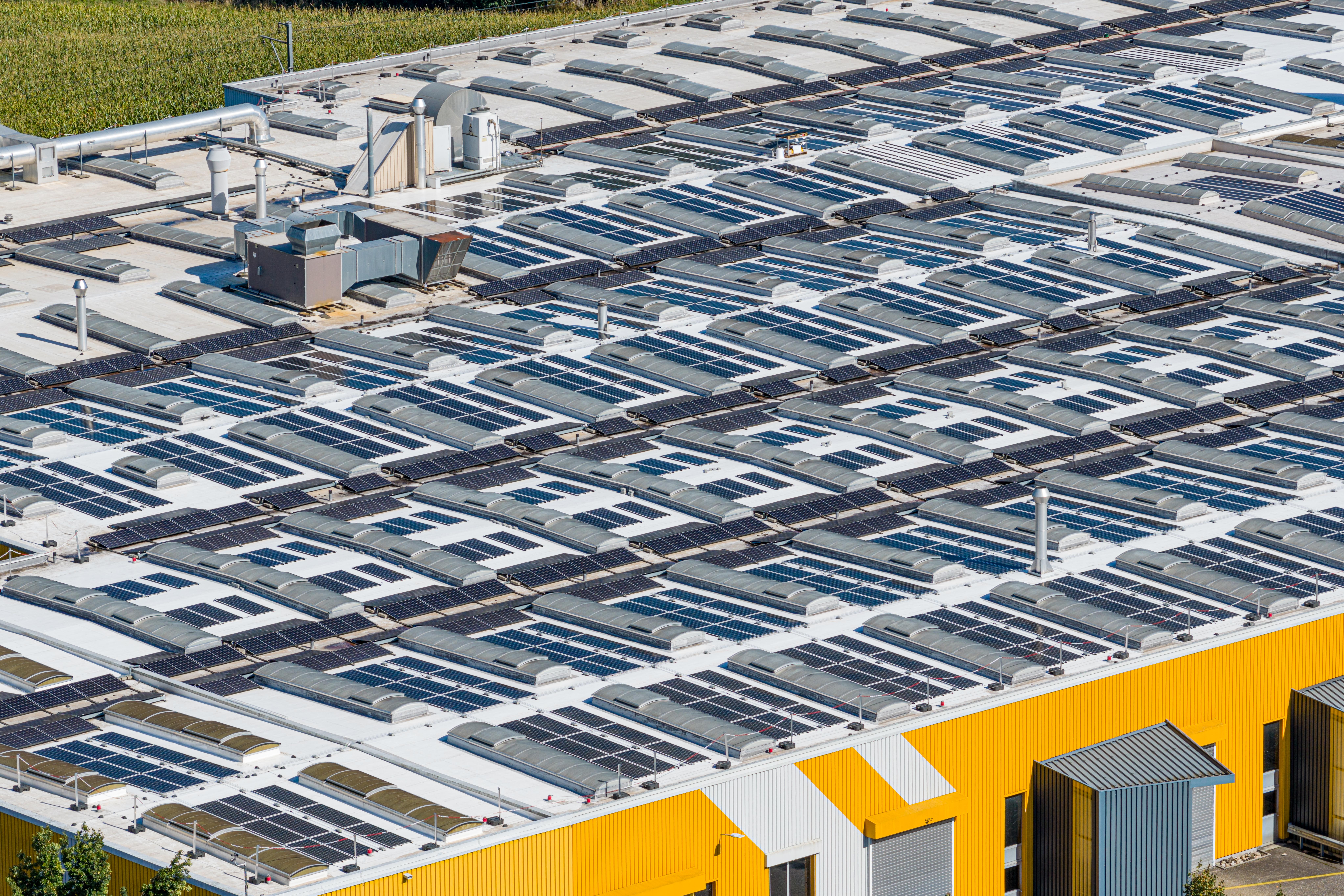
Commercial rooftops also offer significant potential. Germany has extensive industrial, logistics, retail, agricultural and public building stock where solar can generate electricity close to demand.
For businesses, onsite PV can support cost control and decarbonisation without creating the same land pressures associated with large ground-mounted developments.
Balcony PV is another distinctive part of the market. Around 430,000 new plug-in balcony systems were registered in 2025, representing approximately 0.5 GW of capacity. While modest in generation terms, they allow tenants and households without conventional rooftop access to participate directly in solar.
Ground-mounted solar remains essential
Rooftops alone cannot deliver Germany’s 215 GW target.
In the July 2025 auction for ground-mounted solar and other first-segment installations, around 2.27 GW was awarded. Successful prices ranged from 4.00 to 6.26 cents per kWh, with a volume-weighted average of 4.84 cents per kWh.
Ground-mounted solar remains competitive, but development raises questions around land use and community acceptance. Agrivoltaics could provide one route to combining electricity generation with continued agricultural activity.
Storage meets the grid challenge
Germany’s solar market is also becoming increasingly connected with storage.
At household level, batteries can increase self-consumption and support electric vehicle charging and heat pumps. At system level, interest is considerably larger than current deployment.
The Bundesnetzagentur received 9,710 connection applications for battery storage at medium voltage and above during 2024, representing around 400 GW of proposed power capacity and 661 GWh of storage. At the time covered by the feature, only 921 facilities were operational at these voltage levels, providing around 2.3 GW and 3.2 GWh.
The gap highlights both market interest and pressure on grid connections.
The next test is integration
Germany also faces pressure in domestic solar manufacturing. Strong installation figures have not translated automatically into a strong European module manufacturing base, with lower-cost Asian imports creating intense competition.
The country’s solar challenge is therefore becoming broader. Capacity must continue rising while grid infrastructure, storage, digital controls, commercial models and supply chains develop alongside it.
Germany has already demonstrated that rapid solar deployment is possible. The next test is whether the energy system around that capacity can develop quickly enough to make effective use of it.
Read the complete country focus on Germany’s solar market, storage, grid integration and the pathway towards 215 GW of PV capacity in PES Solar: https://pes.eu.com/exclusive-articles/german-solar-at-a-turning-point



-1.jpg)