Michael Geiger, Senior Vice President Energy Solutions, and Jos Theuns, Senior Director Strategy and Partnership Energy Solutions at Exide Technologies, talk to PES about the company’s transition from lead-acid to advanced lithium-ion solutions, and towards a net-zero future. How does the business innovate to meet the diverse industry needs, advancing renewable energy integration and grid stabilization while ensuring energy efficiency and reliability?
PES: A warm welcome to PES Solar, to you both. Am I right in thinking that Exide Technologies has traditionally been a supplier of lead-acid batteries, and you’re now making the transition to advanced lithium-ion solutions?
Michael Geiger: Yes and no! At Exide Technologies, we are technology agnostic and are relentless in our pursuit of finding the perfect energy storage solution for our customers. With more than 135 years of experience as a leading provider of innovative and sustainable battery storage solutions for automotive and industrial applications, we have influenced many industries and segments.
Over the years, we have developed and globally marketed innovative batteries and systems based on lead-acid and lithium-ion technology, driving electrification in all areas towards a greener future.
We are determined to play an important role in the transition to greenhouse gas-neutral industries and communities, developing high-performance energy storage systems capable of energizing a new world.
This is why we have been further enhancing our focus and expertise in lithium-ion battery energy storage solutions through strategic partnerships and acquisitions. Already, back in 2021, we strengthened our Energy Solutions business with the Customized Energy Systems (CES) division, combining innovation and global energy storage expertise.
Today, our Energy Solutions division is a leader in developing and manufacturing advanced stationary energy storage solutions that function as essential backup power or energy management systems and seamlessly integrate renewable energies. The battery technologies are based on both lead-acid and lithium-ion; they are thoroughly engineered to provide tailormade solutions for backup power and InFront-Of and Behind-The-Meter applications.
PES: Can you explain more about how Exide Technologies’ lithium-ion energy storage solutions cater to various industries and applications, such as the renewable energy sector?
MG: There is no doubt that energy management and storage solutions play a crucial role when it comes to renewable energies and the pursuit of a net-zero world. Exide Technologies offers an extensive portfolio of cutting-edge battery storage solutions and customized energy systems based on lithium-ion technology, catering to a diverse range of industries and applications.
These systems are made for efficient energy management, grid stabilisation, and backup power. They have profound demandresponse capabilities and allow for the seamless integration of renewable energy sources, reducing carbon emissions, thus having a positive effect on our environmental footprint. They support the transition from fossil energy to renewable energy sources. Our modular solutions phase out pollution and noise and enable businesses to become ‘greener’, productive and in control of their energy usage and costs.
PES: What specific benefits do you offer for utility-scale Battery Energy Storage Systems (BESS)?
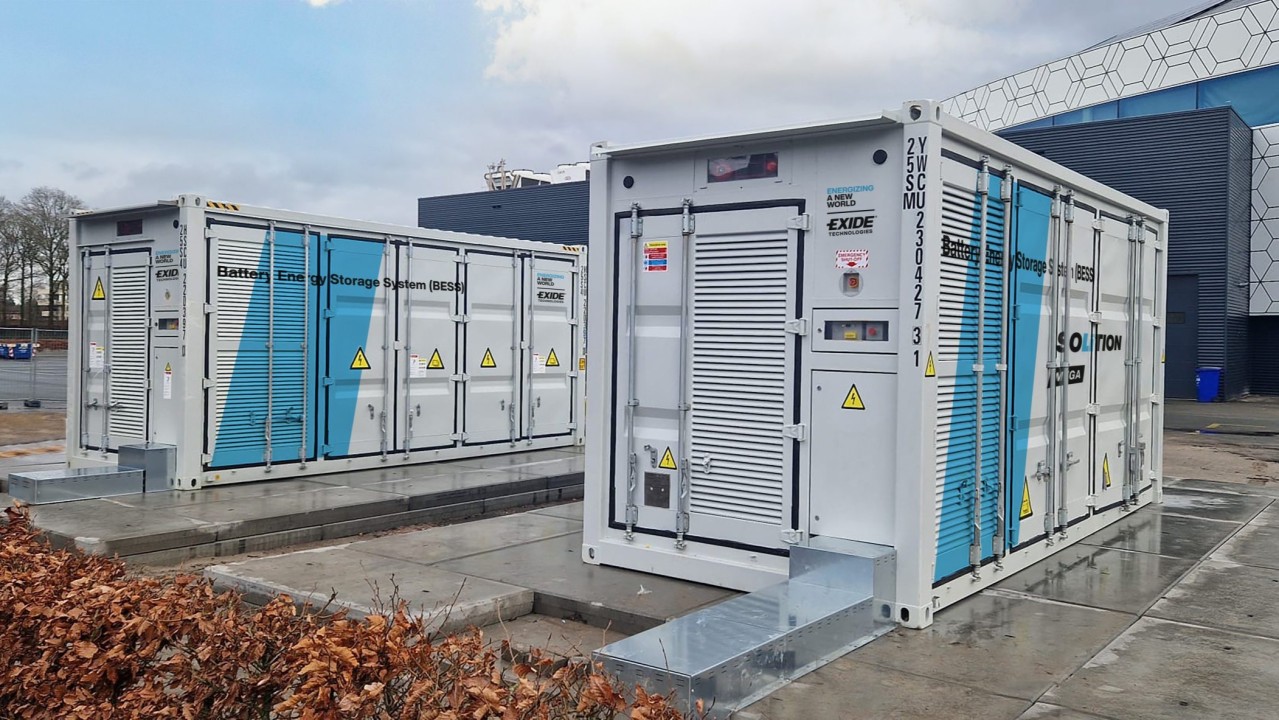
Jos Theuns: We deliver turnkey, easily installable energy storage solutions tailored to specific customer requirements. Leveraging a modular approach and stateof-the-art lithium-ion battery technology, they provide cost-effective storage systems with plug-and-play installation and predictive software control.
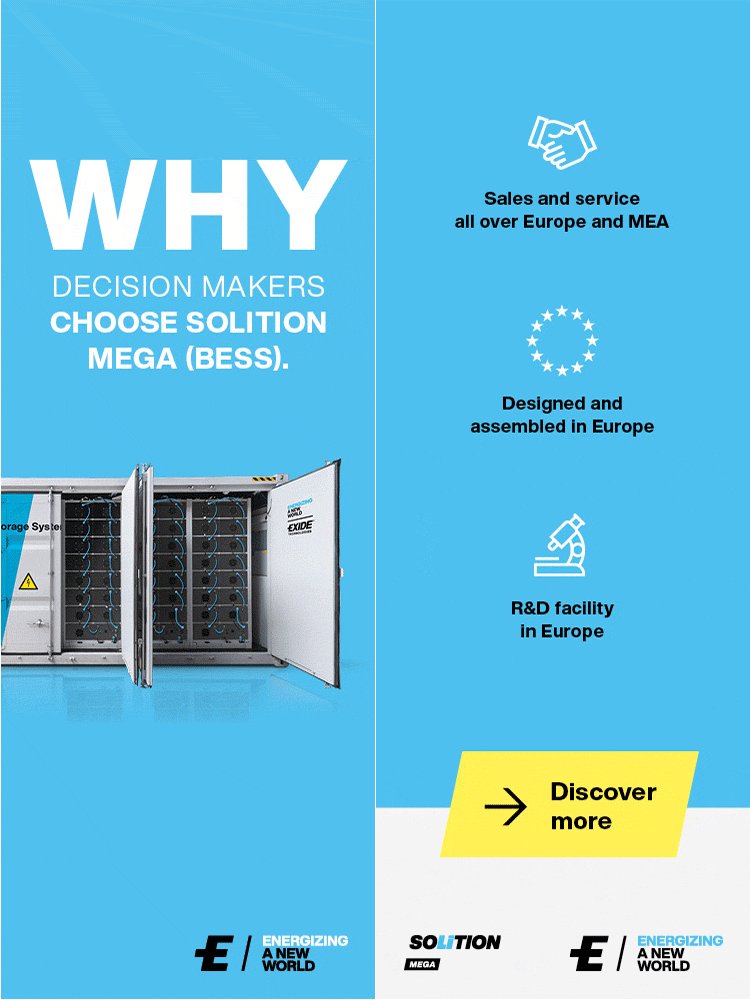
Core brands are our Solition Powerbooster, which helps to buffer power from the grid and reduce high-energy costs, and our Solition Mega series. These large-scale containerized energy storage systems are based on lithiumion technology and provide versatile solutions for both Front-Of- and Behind-The-Meter applications, delivering significant benefits to energy users and the wider energy market, particularly for utility-scale BESS applications.
They offer efficient energy storage for a wide range of needs, including microgrid, deployment, frequency regulation, peak shaving, back-up power, energy trading, and self-consumption. Thanks to their compact and flexible design, these systems can easily be installed in various locations, adapting to changing local conditions.
PES: So, which methods are used to address the needs and challenges of grid stabilisation and energy storage?
JT: Our containerized energy systems store sustainable energy, reduce dependence on conventional energy sources and ensure continuity of high-power supply while providing high monetary benefits and advantages for the owners. With sales, marketing, and service teams virtually all over the world, information on market movements, changing requirements and trends are collected, which influence our research and development roadmap.
Partnering with strong aggregators adds information to our roadmap, which then results in the development of new products. A battery is a simple product as far as the control is concerned; an aggregator or grid operator can, in its basic form, only send charge and discharge commands. These commands might change depending on the size of the battery and the power of the converters, but the system is still very simple and depends on the measurement data, like a transformer station in case of congestion.
Our Customized Energy Systems (CES) team specializes in providing integrated solutions; for instance, tasks like peak-shaving, where communication to a central aggregator might be too time-consuming, is seamlessly incorporated into our storage control systems (SCS). Functions like energy trading, congestion control etc. are entrusted to the expertise of aggregators. We don’t compete in terms of functionality; instead, we strive to provide the essential tools and support that allow aggregators to interface with and efficiently control systems.
PES: In what ways do your energy storage solutions contribute to the advancement of renewable energy applications?
MG: We want to contribute decisively to the implementation of an important change in energy policy, both in our country and at an international level. The ambitious objectives established by the PNIEC in the National Integrated Plan for Energy and Climate by 2030 concern all aspects of energy efficiency and the use of energy sources and pose important challenges to all market players.
Having sufficient energy available wherever and whenever it is needed can be a challenging endeavor and can present a real bottleneck in operations or daily life. This is particularly true when it comes to the integration of volatile renewable energy sources, such as solar or wind power, or in remote areas or situations where there is no electrical grid available. Energy storage bridges the gap between power generation and demand, thus enabling the transition from fossil fuel to renewable energy.
As a recognized leader in the energy sector and with our consolidated experience in storage technologies made in Europe, we are proud to have completed more than 50 energy storage projects, with a total of over 80 MWh of installed lithium-ion energy storage solutions. Energy storage solutions are a key pillar for the transition to greenhouse gas-neutral industries and communities, contributing to a net-zero future for us and the next generations.
PES: Can you provide examples of projects or partnerships that highlight this?
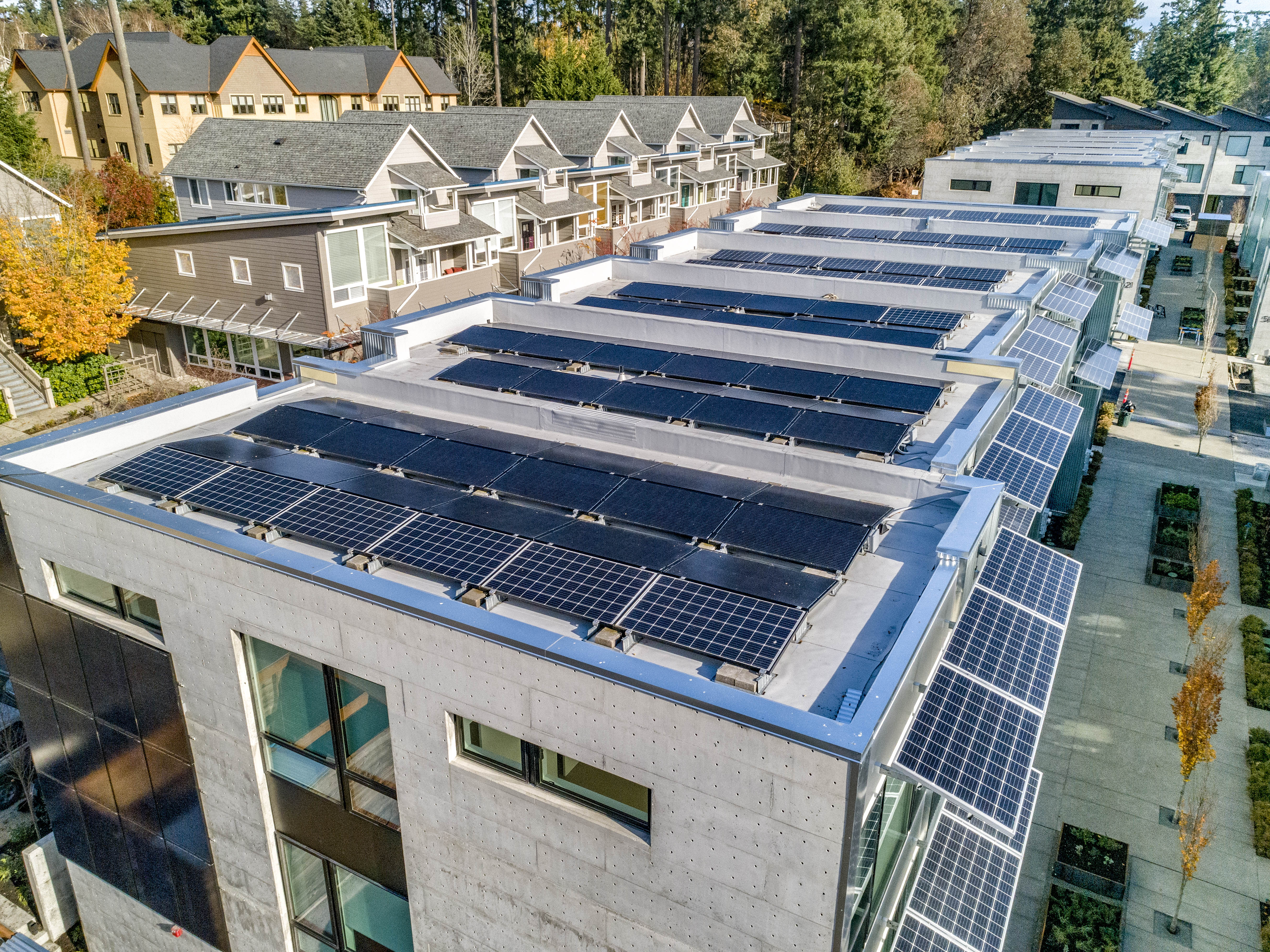
JT: Over the last 10 years, the project landscape has changed considerably. While the initial focus was on trading on the imbalance market, we now see more optimisation of the role of photovoltaic systems, where energy is no longer delivered to the grid at times of surplus, and low prices, but temporarily stored for times when energy is needed.
We also see a sharp increase in applications, like congestion management, where a company charges a battery with a photovoltaic system during the day to have more power for the start-up of their machine parc, which they can either use during the day or at night. Also, FCR (frequency containment reserve), FFR (firm frequency response) and related systems are increasingly used due to the inherent unreliability of photovoltaic and wind generation systems, which create fluctuations in the grid.
Some of our recently installed projects and reference cases can also be found on our homepage at www.exidegroup.com.
PES: Is it possible to ensure the reliability and safety of your lithium-ion solutions, particularly in demanding environments or critical applications?
JT: Ensuring the reliability and safety of our lithium-ion products is paramount. We achieve this through rigorous testing and quality control measures throughout the manufacturing process. Additionally, our products undergo comprehensive performance evaluations to meet industry standards and certifications.
We also invest in research and development to continuously improve the safety features and durability of our lithium-ion solutions, making them suitable for demanding environments and critical applications.
We are relentless in our pursuit of finding the perfect energy storage solution for our customers and we attach great importance to engineering systems in accordance with the application and customer needs. We are aware that a single shutdown can be very expensive due to missed production deadlines, idle staff, etc. Our systems are, therefore, equipped with multiple layers for warnings and errors, which are communicated to a cloud platform. From there, emails can be sent to operators who can react by scaling down production, if necessary.
Naturally, safety is a major consideration, although many issues are often no longer due to a malfunction of lithium-ion cells, but often due to errors in settings for voltages and current or in the installation itself.
PES: Tell us about some of the innovations or developments we can expect to see in your lithium-ion technology soon?
JT: We are focusing on several key innovations to enhance our lithium-ion technology. These include advancements in battery management systems to optimize performance and extend lifespan, the integration of smart grid capabilities for enhanced energy management, and the development of more efficient and sustainable battery chemistries.
Furthermore, we are exploring new form factors and applications to broaden the utility of lithium-ion technology across various industries, such as transportation and grid storage.
Although the industry is talking about ‘solid state’, our experience has taught us that a battery cell is a complex little box. Electrical and chemical parameters, the use case, and not forgetting the cost, are major factors. Obviously, we keep close contact with our electrochemical engineers; we are contributing to fundamental research and keeping a close eye on the market.
PES: How do you plan to stay ahead in the rapidly evolving energy storage market?
MG: Exide Technologies remains at the forefront of the energy storage market by employing a multi-faceted strategy. We prioritize significant investments in our European-based research & development centers, focusing on the advancement of battery technologies, proprietary battery management systems (BMS), and software solutions. Collaborations with universities and strategic partnerships aid us in staying abreast of emerging technologies, particularly in lithium-ion cell chemistries and thermal management.
With over 135 years of industry expertise, as a company we boast unparalleled application know-how across various sectors, including telecommunications, data centers, warehouse logistics, and electric mobility. Leveraging this breadth of experience, we offer tailored solutions to meet the evolving demands of the energy storage landscape.
Our extensive sales & service network in EMEA ensures close proximity to customers, enabling us to provide energy consulting and responsive support. Additionally, we continually invest in manufacturing and assembly capacities, maintaining bestin-class customer service and offering sustainable battery energy storage systems ‘Made in Europe’. Emphasizing environmentally sustainable initiatives further bolsters our commitment to growth and innovation.
In essence, our proactive approach, coupled with robust R&D efforts and unwavering dedication to customer excellence, positions us for continued success in the dynamic energy storage market.
PES: Looking to the future, what is your prediction for energy storage, especially in light of the expanding use of renewable energy and the demand for suitability?
MG: I am convinced that the future of energy storage is poised to expand significantly and innovate. Battery energy storage systems will play a pivotal role in enabling the integration of renewable energy into the grid by providing flexibility, reliability, and grid stabilisation services.
Advancements in technologies will continue, which include increased energy density, faster charging capabilities, and improved efficiency. Moreover, we envision a more decentralized and interconnected energy landscape, where energy storage systems empower consumers to manage their energy usage more efficiently and contribute to a more resilient and sustainable energy infrastructure.
As a trusted industry leader, Exide Technologies combines a legacy of reliability with pioneering expertise in energy storage systems. Our commitment to excellence puts us in a pole position in the rapidly growing energy storage landscape and we will continue energizing a new world.